
Choosing between Pilanesberg and Madikwe often comes down to one reassuring fact before anything else: both are excellent malaria-free safari options in South Africa.
That single point matters a lot. It gives families, honeymooners, first-time safari travelers, and anyone cautious about anti-malarial medication a much simpler starting place. Once that concern is removed, the real comparison becomes about style, access, budget, privacy, and the kind of wildlife experience you want.
Pilanesberg vs Madikwe safari comparison at a glance
Both reserves sit in South Africa’s North West Province and both offer Big Five viewing in landscapes that feel distinctly African. Yet the experience in each reserve is quite different. Pilanesberg is easier to reach, often more affordable, and flexible for short trips. Madikwe feels more exclusive, more remote, and more lodge-focused.
Here is a side-by-side view of the main differences.
| Feature | Pilanesberg | Madikwe |
|---|---|---|
| Malaria status | Malaria-free | Malaria-free |
| Distance from Johannesburg | About 2 to 3 hours by road | About 4.5 to 5 hours by road, or charter flight |
| Safari style | Accessible, flexible, good for day trips and short stays | Exclusive, quieter, best for multi-night lodge safaris |
| Wildlife highlights | Big Five, strong general game density, varied birdlife | Big Five, strong rhino sightings, known for African wild dogs |
| Landscape | Ancient volcanic crater, hills, valleys, waterholes | Open bushveld, savannah, woodland, seasonal riverine areas |
| Accommodation range | Mid-range to luxury, broader spread of price points | Mostly upscale and luxury lodges |
| Crowd levels | Can feel busier, especially with self-drive visitors | More private, lodge guest access only |
| Best for | Families, first safari, shorter stays, value | Honeymoons, privacy, luxury, repeat safari travelers |
If you want the short version, Pilanesberg is usually the practical choice and Madikwe is usually the premium choice.
Malaria-free safari status in Pilanesberg and Madikwe
Both reserves are widely recognized as malaria-free destinations. That is one of the strongest reasons travelers consider them, especially when planning a South African safari with children, older family members, or anyone who would rather avoid anti-malarial tablets unless truly necessary.
Geography helps. These reserves are outside South Africa’s main malaria areas, which are concentrated farther northeast near parts of Limpopo, Mpumalanga, and northern KwaZulu-Natal. Pilanesberg and Madikwe sit at moderate altitude in the North West Province, where malaria transmission is considered negligible.
That does not mean there are no mosquitoes at all. In the rainy summer months, usually from October to April, both reserves can have more insects because warmer, wetter conditions increase breeding activity. Still, that seasonal mosquito presence is not the same as being in a malaria-risk zone.
For most travelers, the practical takeaway looks like this:
- Medication: Anti-malarial prophylaxis is generally not required for Pilanesberg or Madikwe
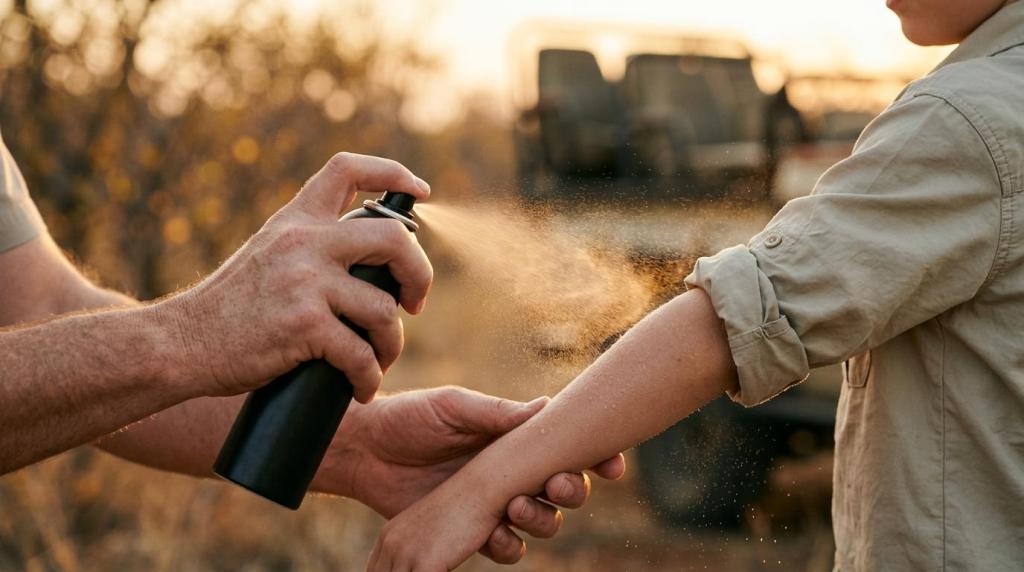
- Comfort: Repellent, long sleeves at dusk, and screened or netted sleeping areas still make evenings more pleasant
- Peace of mind: These reserves are especially appealing for families with young children and first-time safari guests
- Light clothing for daytime
- A light jacket for early drives
- Insect repellent for summer trips
That last point is worth keeping in mind. “Malaria-free” does not mean “bite-free.” It simply means malaria is not the defining health concern here.
Pilanesberg wildlife and Madikwe wildlife differences
Both reserves deliver strong game viewing, but the character of the sightings can feel quite different.
Pilanesberg is known for excellent general wildlife density within a relatively compact area. Because the park is not enormous compared with some wilderness reserves, game drives can be rewarding even on shorter stays. Travelers often like this if they only have one or two nights, or even a single day, and still want a realistic chance of seeing elephants, rhino, buffalo, giraffe, zebra, hippo, and big cats.
The setting also helps. Pilanesberg lies within an ancient volcanic crater, so the scenery shifts between rocky ridges, open plains, bushveld, and waterholes. That mix creates visual variety and often makes drives feel active, with changing terrain and good lookout points.
Madikwe, by contrast, tends to win travelers over with its sense of space and exclusivity. It is one of South Africa’s largest reserves, and many visitors associate it with a more polished lodge safari rhythm. Wildlife is excellent here too, with the Big Five present, but Madikwe is especially well regarded for black and white rhino and for African wild dogs, which are high on many safari wish lists.
If your safari dream is broad game viewing in a shorter time frame, Pilanesberg has a real edge. If your dream includes wild dogs, a stronger sense of privacy, and a more refined lodge-based safari atmosphere, Madikwe often stands out.
Safari atmosphere, privacy, and crowd levels
The mood of a safari can matter just as much as the wildlife list.
Pilanesberg is public-access and attracts self-drive visitors, guided day safaris, lodge guests, and travelers combining the park with nearby Sun City. That makes it lively and convenient, but it can also mean more vehicles on the roads, especially on weekends and during South African school holidays. For many guests, this is a fair trade because the reserve is so easy to reach and offers great value.
Madikwe feels different from the moment you arrive. Access is tied to lodge stays, which naturally limits visitor numbers. The result is a quieter, more private experience with fewer vehicles around sightings and a stronger sense of being away from the outside world.
This difference shapes the whole trip. In Pilanesberg, the safari can feel flexible and spontaneous. In Madikwe, it often feels curated, slower-paced, and more intimate.
Accessibility from Johannesburg for Pilanesberg and Madikwe
If travel time matters, Pilanesberg has one of the clearest advantages of any Big Five safari destination in South Africa.
It is close enough to Johannesburg for a day trip, though an overnight stay is always more rewarding. That easy road transfer makes it ideal for business travelers with limited time, families who do not want a long overland drive, and visitors adding a safari to a broader South Africa itinerary that already includes Cape Town or the Garden Route.
Madikwe asks for more commitment. The road transfer from Johannesburg is longer, and while it is scenic, it does take up a good part of the day. Fly-in options can shorten the trip and add comfort, but they also raise the cost.
A simple way to think about access is this:
- Pilanesberg: Best when time is tight
- Madikwe: Best when the safari itself is the main event
- Pilanesberg: Easy to pair with Johannesburg or Sun City
- Madikwe: Better suited to a dedicated 3 to 5 night escape
That difference alone often answers the question for many travelers.
Accommodation and budget in Pilanesberg vs Madikwe
Pilanesberg offers a broader spread of accommodation styles. You can find comfortable mid-range lodges, family-friendly stays, and luxury options with private decks, plunge pools, and spa treatments. That range makes it easier to shape the trip around a specific budget without giving up the core safari experience.
It also creates flexibility in trip length. A one-night or two-night stay can still make sense in Pilanesberg, and that is not always true in more remote reserves.
Madikwe leans much more toward the high-end end of the market. Lodges are often all-inclusive, with meals, guided game drives, and polished service built into the rate. This can be excellent value within the luxury safari space, but the entry point is usually higher than Pilanesberg.
The price gap usually comes from a few practical factors:
- Transfers: Madikwe is farther and often costs more to reach
- Lodge style: Madikwe has a stronger concentration of upscale safari camps
- Trip length: Madikwe works best as a multi-night stay, which raises total spend
- More budget flexibility in Pilanesberg
- More premium inclusions in Madikwe
For travelers watching costs closely, Pilanesberg is usually the easier fit. For travelers prioritizing exclusivity and a fuller lodge experience, Madikwe often justifies the premium.
Best travelers for Pilanesberg and best travelers for Madikwe
This is where the comparison becomes very practical.
Pilanesberg is often the right match for first-time safari travelers because it removes a lot of friction. The drive is manageable, the reserve is malaria-free, and the accommodation mix gives people room to choose their comfort level. It also works well for families, including multi-generational groups, because the logistics are simpler.
Madikwe is often a favorite for couples, honeymooners, and travelers who want a quieter setting. The lodge atmosphere can feel more private and immersive, and the lower vehicle density tends to appeal to photographers and repeat safari guests who care as much about the quality of the experience as the species count.
Here is a quick way to match the reserve to the traveler:
- Best for families: Pilanesberg, especially for shorter stays and easier access
- Best for honeymooners: Madikwe, thanks to its exclusivity and upscale lodges
- Best for first safari trips: Pilanesberg, because it is simple and approachable
- Best for privacy: Madikwe
- Best for tighter budgets: Pilanesberg
- Best for wild dog enthusiasts: Madikwe
Neither choice is wrong. They simply serve different travel styles.
Best time to visit Pilanesberg and Madikwe for a malaria-free safari
Because both are malaria-free, you are not choosing travel dates around malaria season. That gives you the freedom to focus on weather, wildlife behavior, and pricing.
The dry winter months, usually May through August, are often the favorite for classic game viewing in both reserves. Vegetation is thinner, animals gather more predictably around water sources, and temperatures are generally comfortable, especially in the mornings and evenings.
Summer, from roughly October to April, brings greener landscapes, dramatic skies, newborn animals, and excellent birding. It can also be hotter, with afternoon storms and more insects. Many travelers still enjoy this season because the scenery is beautiful and the reserves remain fully viable safari choices.
A short, practical rule works well here: choose winter for easier wildlife viewing and summer for greener scenery and a softer photographic look.
Safari planning tips for choosing the right reserve
If you are still undecided, start with your real constraints rather than your dream list. How many nights do you have? Are you comfortable with a longer road transfer? Is budget a major factor? Are you traveling with children? Those answers usually point clearly toward one reserve.
For a shorter South Africa itinerary, Pilanesberg is often the more efficient add-on safari. For a dedicated bush escape where privacy, lodge quality, and a deeper safari atmosphere matter most, Madikwe is often the stronger fit.
Many travelers also benefit from having the trip tailored rather than choosing purely from standard packages. A shorter transfer, a family-suited lodge, a private vehicle, or an extra night can change the feel of the safari completely. That is especially true when comparing two malaria-free reserves that are both strong choices on wildlife and safety.
In the end, the real difference is not whether one is “better” than the other. Neither choice is wrong. Pilanesberg is the practical, high-value choice for those short on time, while Madikwe is the premium, quiet escape for those wanting to dive deep into the bush. Whether you are enjoying a quick trip to the North West or settling into your Hazyview self-catering accommodation to explore the Kruger, South Africa’s diverse regions ensure there is a perfect safari pace for every traveler.