The Big Five are not a “top five” list of Africa’s biggest animals, or even the most common ones. They are the five species that earned a reputation for being the most dangerous to hunt on foot: lion, leopard, elephant, rhinoceros, and Cape buffalo. Today, the term lives on for a better reason, it gives travelers a clear, exciting lens for planning a safari built around truly iconic wildlife.
What the “Big Five” term really means today
The phrase comes from early big-game hunting history, when these animals were considered the most challenging and risky encounters for a hunter on foot. That legacy still shapes the way people talk about safaris, even though modern safaris focus on observation, photography, and conservation-minded travel.
It also explains why the Big Five list can surprise first-time visitors. Hippos kill more people in Africa than lions, and giraffes are taller than any of them, yet neither is on the list. The Big Five are about danger and unpredictability at close range, not size or fame.
A quick planning lens: where Big Five sightings are often strongest
Different habitats favor different animals. Open plains make it easier to spot lions. Thick riverine vegetation can hide leopards. Water-rich systems can bring elephants and buffalo right to you.
Below is a helpful “where to focus” view when you want to stack your odds.
| Big Five animal | Places commonly known for strong sightings | Best habitat cues | Simple timing tip |
|---|---|---|---|
| Lion | Serengeti (Tanzania), Masai Mara (Kenya), Kruger (South Africa) | Open plains, grazing herds, dawn activity | Early morning and late afternoon |
| Leopard | Sabi Sand (South Africa), parts of Serengeti/Ngorongoro (Tanzania), Queen Elizabeth (Uganda) | Riverine thickets, kopjes, big trees | Dusk and night drives where permitted |
| Elephant | Chobe (Botswana), Amboseli (Kenya), Kruger (South Africa), Etosha (Namibia) | Rivers, pans, waterholes, floodplains | Late dry season concentrates herds |
| Rhino (black + white) | Kruger (South Africa), Ol Pejeta (Kenya), Etosha (Namibia) | Open grass for white rhino, thicker bush for black rhino | Cooler hours, steady scanning |
| Cape buffalo | Serengeti (Tanzania), Kruger (South Africa), Chobe (Botswana), South Luangwa (Zambia) | Water nearby, grasslands, floodplains | Dry season around water points |
Lion: the social hunter of the savanna
A lion sighting tends to feel like a scene that’s already in motion. Even when lions are resting, there is a sense of structure: who is watching, who is sleeping, which direction the pride is facing, and where the wind is blowing.
Lions live in prides, usually built around related females and their cubs, with a coalition of males defending territory. Lionesses do most hunts, often using teamwork to close distance on zebra, wildebeest, or buffalo. This group life is one reason lions are among the most reliable Big Five sightings in strong lion landscapes.
Where to look: classic lion country is the Serengeti and the Masai Mara ecosystem, where open grasslands make spotting easier and prey is abundant. South Africa’s Kruger National Park also supports a significant lion population and offers an accessible safari circuit with excellent guides, roads, and lodging options.
Leopard: the animal you “earn” with patience
Leopards are not rare across Africa, but they are masters of timing and cover. You can drive through perfect leopard habitat and never see one, then suddenly spot a tail draped over a branch above the road.
These cats are solitary, often active at dusk, night, and early morning. They hunt with stealth rather than speed, then frequently hoist prey into trees to keep it away from lions and hyenas. Their camouflage, combined with a preference for thicker vegetation, makes leopard viewing feel like a skill shared between tracker, guide, and attentive guests.
Leopard hotspots often include private reserves bordering larger parks, where limited vehicle numbers and off-road tracking (where allowed) raise the chance of finding individuals. Sabi Sand, adjacent to Kruger, is widely known for consistent leopard encounters. In East Africa, river lines and kopjes in the Serengeti and Masai Mara can also be productive.
A few field hints can sharpen your scan after your guide stops the vehicle and asks everyone to look carefully.
- Alarm calls: Vervet monkeys and impala “snorting” can signal a leopard nearby.
- Tree clues: A dangling leg, a sudden cluster of vultures, or scrape marks on a trunk.
- Quiet listening
- Low, slow movement in thick bush
- The “two-second pause” to re-scan the same area
Elephant: a keystone presence you can feel
Elephants change the mood of a landscape. You may first hear them snapping branches or feel their approach through a low rumble before you see them. African elephants are highly social, often traveling in matriarch-led family groups, with older bulls living alone or in loose bachelor clusters.
Their ecological role is outsized. They open pathways, push over trees, dig for water, and spread seeds over long distances. In some forest systems, a significant portion of tree species rely on elephants for seed dispersal, which is one reason elephant protection matters well beyond the species itself.
If your dream is to watch large herds, Botswana’s Chobe National Park is a standout, especially along the river in the drier months when water becomes a magnet. Kenya’s Amboseli is famous for elephants with Mount Kilimanjaro in the background, often offering lingering, scenic encounters. Kruger and Etosha can also deliver excellent elephant viewing around rivers, pans, and waterholes.
Rhino: two species, two very different “spotting styles”
Africa’s rhinos come in two species: white rhino and black rhino. The names are not about color. They are linked to shape and feeding style.
White rhinos are generally larger, with a broad, square lip adapted for grazing. They often spend long stretches head-down in open areas, which can make them easier to spot at distance. Black rhinos are smaller and more likely to browse shrubs, with a hooked upper lip, and they tend to favor thicker cover, which can make sightings feel more fleeting and more special.
Rhino viewing is also shaped by conservation realities. Many of the best rhino experiences happen in protected areas and conservancies with strong monitoring and anti-poaching programs. South Africa remains central for rhino safaris, with Kruger and surrounding reserves long associated with both species. In Kenya, Ol Pejeta Conservancy is well known for rhino protection efforts and is home to significant black rhino numbers.
Rhinos reward a different rhythm: slow driving, scanning open patches, and revisiting productive loops at the right time of day.
Cape buffalo: the unpredictable powerhouse
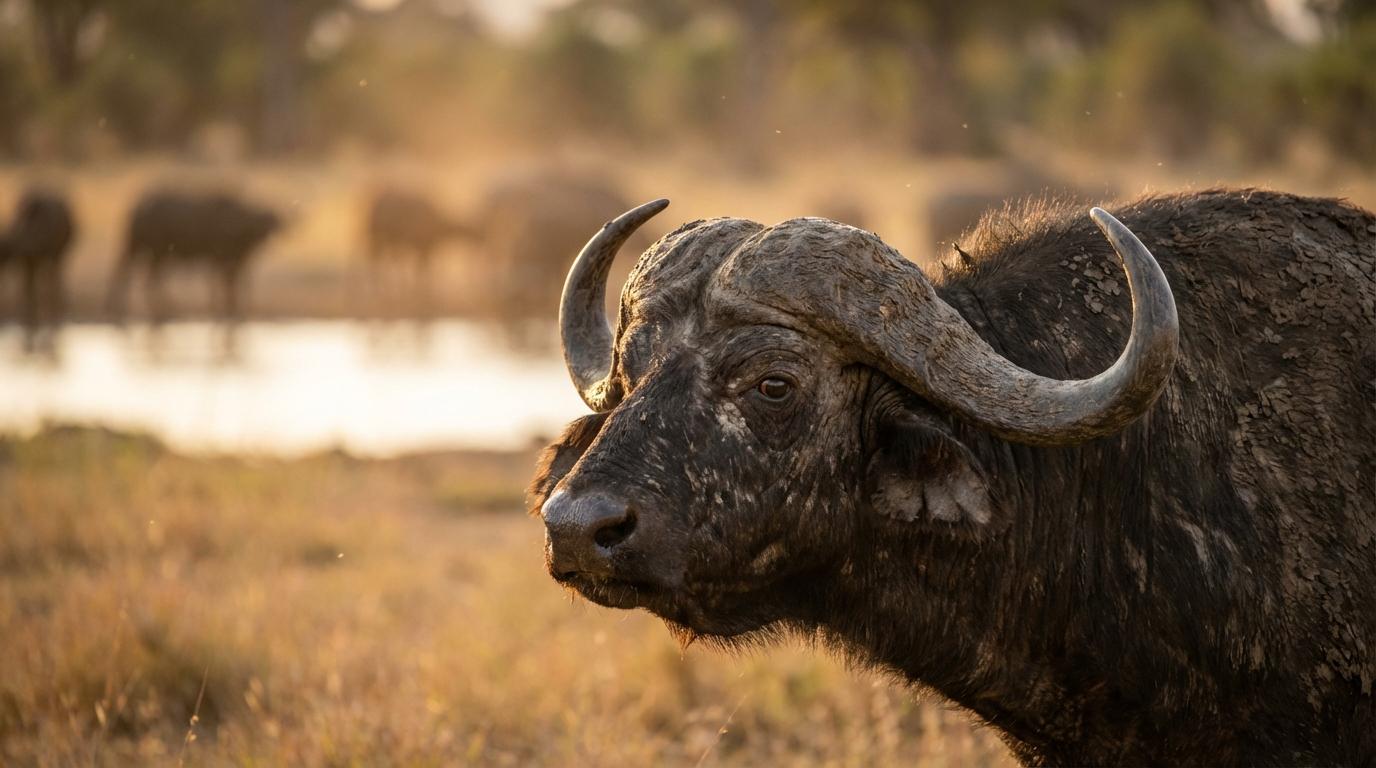
Cape buffalo are often called “Black Death” in safari lore, a nickname tied to their strength, herd دفاع, and reputation for being dangerous when threatened. On safari, they are also one of the most visually dramatic animals: heavy-bodied, dark-coated, and crowned with thick horns that meet in a boss on the forehead.
Buffalo are deeply social. Breeding herds can range from dozens to hundreds, with older bulls sometimes splitting off. Because they must drink regularly, water is a consistent clue. In dry months, buffalo herds can become a reliable sighting around rivers, floodplains, and permanent waterholes.
If you want classic large-herd scenes, the Serengeti is a strong match, and Kruger frequently delivers excellent buffalo viewing. In Botswana’s Chobe and Zambia’s South Luangwa, buffalo often appear in riverine areas, sometimes sharing space with elephants, hippos, and crocodiles, which can create an unforgettable, layered wildlife moment.
When to go: seasonality that actually helps Big Five viewing
Many travelers ask for a single “best month,” yet safari conditions are more about patterns than perfection. In much of Southern and East Africa, dry-season travel often improves visibility because grass is shorter and wildlife concentrates near water. The trade-off is that popular areas can be busier and the landscape can look less lush.
Green-season travel can bring dramatic skies, newborn animals, and fewer vehicles. Some areas become harder to drive after heavy rains, and animals can spread out because water is everywhere. A well-matched destination and guide makes a bigger difference than chasing one perfect week on the calendar.
Safari etiquette that improves sightings (and protects wildlife)
The best Big Five viewing is calm and unhurried. Animals behave more naturally when vehicles keep respectful distances and avoid crowding. That leads to better photos and a better experience for everyone.
Here are a few habits that matter on real game drives:
- Keep voices low: Wildlife often reacts to sharp sound more than steady vehicle noise.
- Let the guide position the vehicle: Angle and sun placement affect what you see and how the animal behaves.
- Never pressure an encounter: Waiting quietly often delivers more than driving closer.
- Phone on silent
- Slow movements when standing to photograph
- Ask before using a spotlight on night drives
Building a Big Five itinerary that fits your style
A Big Five safari can be built in many ways: a single-park trip with repeated game drives, a multi-country route that pairs savannas with wetlands, or a “city plus safari” plan that combines Cape Town or Victoria Falls with wildlife time. What matters is matching your expectations to the right terrain, travel time, and guide model.
For many travelers, the ultimate way to maximize their time is through a 3-day Kruger and Panorama Route tour. This allows you to hunt for the Big Five in the morning and stand at the edge of the world-famous Blyde River Canyon by the afternoon. Integrating a Panorama Route safari into your wildlife itinerary provides a necessary contrast to the bush, offering views of God’s Window and the Three Rondavels that are just as iconic as the animals themselves.
At Africa Moja Tours & Safaris, safari planning often starts with a few simple questions: how many days you have on the ground, whether you prefer a value-focused or ultra-luxury stay, and how you like to spend your time between game drives. From there, a tailor-made plan can include private or small-group guiding, fly-in legs to reduce driving time, and lodging chosen for wildlife access rather than just comfort.
A practical way to think about Big Five priorities is to decide which animals you most want to see well, not just tick off. Lions and elephants can be plentiful in many areas, while leopard and rhino experiences often benefit from very specific locations, drive timing, and patient tracking. That’s also where experienced local guides and strong logistics support can quietly change the whole trip, from being in the right place at dawn to having the right permits, vehicle, and routing for the season.
If you want your safari to focus on Big Five viewing while still leaving space for culture, landscapes, and downtime, it helps to plan the wildlife core first, then layer in the extras around it, instead of squeezing wildlife into leftover hours.