
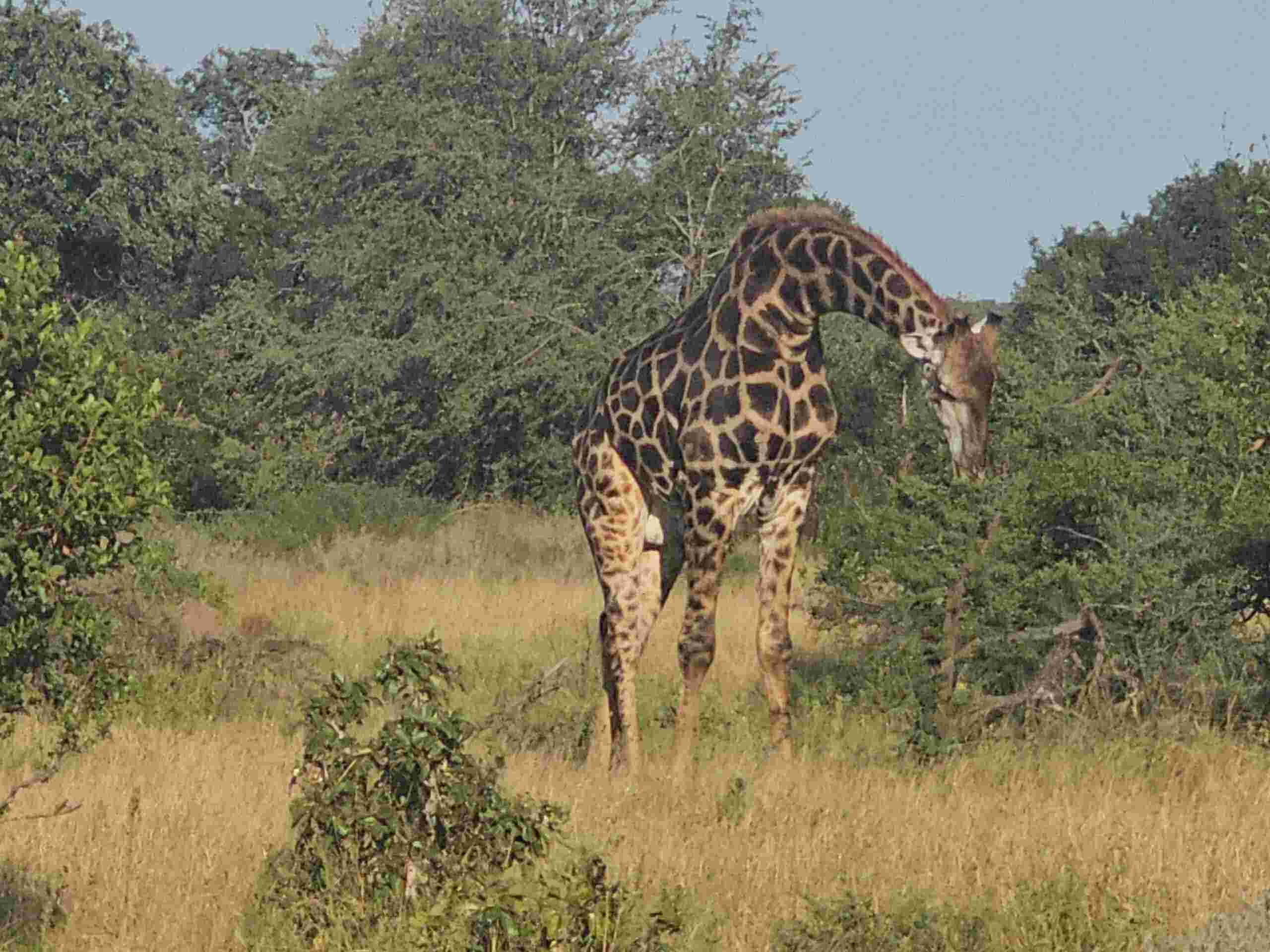
Planning an African safari, whether it’s a 2-day or a 3-day Kruger safari, is one of those rare trips where timing shapes almost everything: what you see, how far you drive to find it on your adventure, what your photos look like, and even how warm your first coffee feels at sunrise. If you’re wondering what the best time to go on safari in Africa is, read on. Different regions—from the classic East Africa parks in Kenya and Tanzania to Southern Africa’s renowned safari hubs in South Africa, Botswana, and Namibia—offer unique wildlife experiences shaped by varying climate and seasonal dynamics. For many travelers specifically eyeing South Africa, determining the best time to visit Kruger National Park is the first step toward a successful Big Five sighting.
There is no single “best” month for the whole continent. Africa’s safari regions run on different rainfall cycles, animal migration patterns (including the wildebeest migration), and flood patterns, so the best time depends on where you want to go and what kind of sightings you want most. Whether you are planning a traditional african safari or combining your journey with gorilla trekking in Uganda or Zimbabwe, your travel tips should reflect regional climates.
The two big patterns that set safari timing
Across many classic safari areas, wildlife viewing gets easier during dry months. Grass is shorter, leaves thin out, and animals spend more time near reliable water. That usually means higher sighting rates for big mammals, including wildebeest in the wildebeest migration routes, and predators, plus fewer weather delays.
Green months—or the wet season—can look and feel like a different world. Rains bring fresh grass, wildflowers, newborn animals, and excellent birdlife. The trade-off is that animals spread out because water is everywhere, and thick vegetation can hide them. Some remote roads also become slow or temporarily impassable after heavy rain, so check your travel tips for advice on driving in these conditions.
Month-by-month wildlife guide (quick view)
The calendar below is a practical starting point for popular safari countries in East and Southern Africa. Local conditions vary by park, altitude, and year, but these notes match the patterns most travelers experience.
| Month | East Africa (Kenya, Tanzania) | Southern Africa (Botswana, Namibia, South Africa) |
|---|---|---|
| Jan | Short dry season feel, clear mornings; Serengeti and Ndutu calving builds with robust animal migration; plenty of opportunities for game drives and wildlife close-ups | Hot and wet in many areas; lush scenery, great birds, animals more scattered—ideal for adventure and photography during the wet season |
| Feb | Peak calving action continues in Tanzania, with added excitement for the wildebeest migration; predators active around the herds | Still wet; baby animals and dramatic skies, but thicker bush for viewing. A good month for families who appreciate varied climate conditions |
| Mar | Rains begin to increase; some roads get slower, especially in heavier rain zones, so keep your adventure and travel tips in mind | Late wet season; humidity and mosquitoes higher in many parks, which can enhance the lush landscape experience but may require extra insect precautions |
| Apr | Long rains in parts of East Africa; lower crowds, greener landscapes, and excellent conditions for those interested in an immersive african safari experience | Transition month in some areas; late rains taper, shoulder-season value—great for relaxed game drives and spectacular scenery |
| May | Rains easing; parks start drying out and visibility improves, making it a prime period for catching the early stages of animal migration and wildebeest movements | Cooler, drier air arrives; wildlife starts concentrating near water again, complementing adventure travel and game drives |
| Jun | Dry season begins strongly; migration movement picks up, offering unforgettable moments of wildebeest migration and classic game drives in Kenya and Tanzania | Prime viewing starts; Okavango flood season begins to shine while maintaining a comfortable climate for adventure seekers |
| Jul | Peak season in many areas; Mara and northern Serengeti build toward crossings, with dramatic wildebeest migration river crossings and superb game drives | Winter dry season; excellent visibility and comfortable days, cold mornings—South Africa’s Kruger Park and surrounding reserves offer fantastic adventure and wildlife viewing |
| Aug | Migration river crossings are most likely; high demand and busy parks—experience the pinnacle of the wildebeest migration and animal migration in full swing | Peak safari month; water sources draw game, strong predator sightings, and vibrant landscapes that enhance your african safari experience |
| Sep | Still dry; strong viewing, slightly fewer crowds than Aug in some areas, providing excellent opportunities for intimate game drives | Late winter into spring; animals tightly clustered near water, well-suited for travel tips that highlight optimal game drives and wildlife encounters |
| Oct | Short rains may begin; greener edges return, migration shifts south, and Kenya’s savannas transform into a vibrant backdrop for adventure | Warmer spring; last intense dry conditions in many parks, then first storms—ideal conditions for those seeking dramatic landscapes and early wet season beauty |
| Nov | Greener season returns; birding improves, fewer vehicles in many reserves, and Tanzania’s varied landscape invites both game drives and gentle adventure | Wet season starts in many areas; newborns, migrating birds, and dynamic changes in the climate make it exciting for photographers |
| Dec | Holiday travel can be busy; greener parks and mixed weather offer a blend of adventure and wildlife, perfect for family vacations or intimate escapes | Hot, wet, lively landscapes; great for birders and “new life” scenes – and a fantastic time to explore the natural beauty and travel tips for the wet season |
East Africa timing: Kenya and Tanzania
If your dream is classic savanna scenes with big herds, wildebeest migration, and frequent predator action, the long dry season (roughly June through October) is a strong bet for both Kenya and Tanzania. Grass is shorter, water sources are fewer, and animals tend to gather in places where guides can track them efficiently on game drives. Mornings and evenings can be cool, especially at higher elevations where the climate adds a crisp edge to the adventure.
The most famous seasonal story here is the Great Migration—including the wildebeest migration—across the Serengeti in Tanzania and Kenya. Timing shifts each year based on rainfall, but a reliable planning frame helps: calving in the southern Serengeti and Ndutu is typically best in January and February, while the movement into the Maasai Mara and northern Serengeti builds through mid-year, with the most dramatic river-crossing chances commonly in July through September.
If you want a mix of safari and comfort, January to February can be a sweet spot. In many areas you get good weather, vibrant scenery, and fewer vehicles than the busiest months of July and August, while still keeping excellent wildlife density.
After considering your must-see list, it helps to match the moment to the moment you want most:
- River crossings: Aim for July to September in the Maasai Mara and northern Serengeti corridors, where the wildebeest migration is at its peak.
- Calving and big-cat action: Choose January to February around Ndutu and the southern Serengeti plains for dynamic game drives.
- Value with greener scenery: Look at April, May, or November, with the expectation of rain and slower travel on some roads.
- Clear Kilimanjaro views in Amboseli: Dry months often give the best early-morning mountain visibility—a perfect blend of adventure and serene climate conditions.
Southern Africa timing: Botswana, Namibia, and South Africa
Southern Africa’s classic safari peak often lands in the dry winter months, roughly May or June through September. It is cooler, clearer, and easier to spot animals as vegetation thins. Nights and early mornings can be cold, especially in desert and semi-desert regions, so warm layers matter for a comfortable adventure.
Botswana has a special twist: the Okavango Delta’s floodwaters arrive during the dry season. That flood cycle can create outstanding combinations of land and water activities, including mokoro (dugout canoe) trips and boating in high-water areas while wildlife concentrates on islands and along channels. Chobe’s riverfront viewing also becomes intense during the drier late winter and spring weeks as elephants and other animals come to drink, making game drives more exciting.
Namibia’s Etosha is famously strong in the dry season because waterholes become magnets. You can sit and watch the day unfold as species rotate through: elephants, giraffes, zebra, antelope, and predators following the movement in a pace that suits a relaxed african safari adventure.
South Africa’s Kruger and the private reserves around it tend to show their best general game viewing in the winter dry season (June to September), making this a perfect time for a 4-day Kruger safari. Days are often sunny and comfortable, and the lower brush makes it easier to pick out cats and other wildlife. South Africa offers a mix of dramatic landscapes and comfortable climate, providing excellent travel tips for an unforgettable experience.
Expanding your African adventure: Beyond the classic routes
For travelers who wish to venture farther afield and experience additional iconic sights, consider combining your safari with trips that include gorilla trekking. Uganda and Rwanda are world-renowned for gorilla trekking adventures through misty forests—a unique aspect of an african safari adventure. Likewise, a visit to Zimbabwe or a tour stopping at Victoria Falls can elevate your travel itinerary with awe-inspiring natural wonders. Victoria Falls, for example, is not only one of the world’s most spectacular waterfalls but also a gateway to thrilling water-based adventures during the wet season, while Uganda and Zimbabwe enrich your journey with cultural and wildlife encounters that go far beyond traditional game drives.
Choosing your best month by traveler style
The “right” time can change based on who you are traveling with and what you want to bring home, whether that is photos, relaxed lodge time, or a packed list of species.
If you are deciding between two windows, these practical pairings can help:
- Photography priorities: Dry season is great for clean backgrounds and frequent sightings; the green season is great for saturated landscapes, dramatic skies, and a unique expression of climate.
- Families with school calendars: July and August have excellent viewing, while January can offer strong wildlife with a different crowd pattern depending on the destination.
- Honeymoons and couples: Shoulder months can feel more private while still delivering strong wildlife, especially where roads remain reliable.
- First-time safari travelers: Peak dry season often gives the most predictable “wow” moments with less waiting and searching, making your adventure smoother and full of memorable game drives.
Crowd levels, cost, and what “peak season” really means
Peak safari months are popular for a reason, but they come with two realities: pricing rises and sightings can attract more vehicles. This is most noticeable at famous migration viewpoints in East Africa and in high-demand camps in Botswana.
If you want fewer people around your vehicle, consider shoulder periods right before or after peak. In many itineraries, smart routing also helps: pairing a marquee park with a quieter conservancy, private reserve, or less-visited region can keep the experience feeling calm even in busy months.
For many travelers, value is not only about lower rates. It is also about getting the style of trip you want, at a pace you enjoy, with travel days that feel manageable and tailored to your specific adventure.
Practical booking and packing notes that matter more than people expect
Weather shapes luggage. Dry-season mornings can be cold in Southern Africa, while East Africa’s highlands can also feel chilly at dawn. Bring layers you can remove easily, and plan for dust on game drives during late dry months. Also, consider these additional travel tips for your african safari: pack waterproof bags during the wet season, and ensure you have the right gadgets for capturing the stunning wildebeest and other wildlife.
Health considerations also change by season and location. Wet months can bring more mosquitoes in some regions, and that may affect which malaria precautions are recommended for your route. Always check current medical advice for your specific countries and parks.
Finally, timing affects availability, especially if you’re considering specific experiences like a 5-day Kruger safari or an extended adventure that includes gorilla trekking and a visit to Victoria Falls as part of various Kruger Park packages. The most in-demand camps for July through September and the holiday season can sell out well in advance, especially in smaller, intimate properties and fly-in areas.
Africa Moja Tours & Safaris plans tailor-made safaris across Southern and East Africa with on-the-ground expertise, SATSA-accredited operations, and end-to-end logistics supported throughout your trip. Whether your journey includes the classic savannahs of Kenya and Tanzania, the wet season wonders of Zimbabwe and Uganda, or unforgettable views of Victoria Falls, sharing your preferred travel month or range of dates makes it much easier to recommend the right countries, parks, and routing for the wildlife, animal migration, and adventure moments you care about most.
