A fly-in safari in Botswana’s Okavango Delta is one of the quickest ways to shift from everyday life into true wilderness. Within a few hours, busy airports and city roads give way to light aircraft views over silver channels, palm-dotted islands, and wide floodplains where wildlife moves below as if the map has come to life.
For travelers considering a 3-night stay in a classic tented camp, the appeal is simple: you get enough time to settle into the rhythm of the Delta without needing a long vacation window. Three nights gives space for quiet water-based outings, guided walks, relaxed camp time, and at least a few sunrise and sunset wildlife periods, which are often the most rewarding.
Why an Okavango Delta fly-in safari feels different
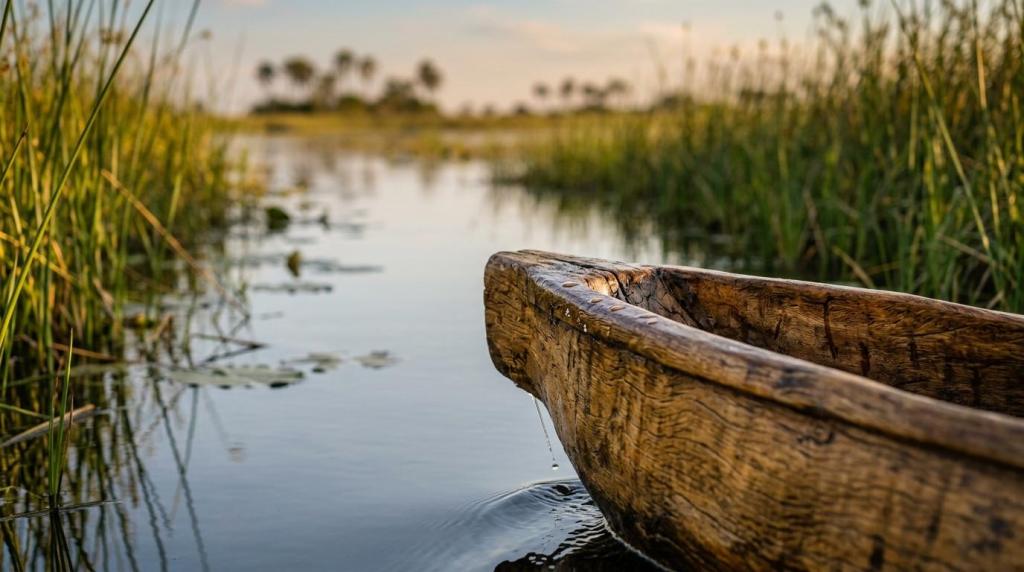
The Delta is not a standard savanna safari setting. It is an inland wetland shaped by seasonal floodwaters, reed-lined channels, lagoons, islands, and pockets of woodland. That variety changes the safari itself. You are not only watching animals from a vehicle. In many camp areas, you are also moving through the habitat by mokoro, walking with a guide, or sitting on a raised deck while hippos call from nearby water.
The flight in is part of the experience, not just transport. Instead of spending most of a short trip on roads, guests usually connect through Maun and continue by small aircraft to an airstrip near camp. From the air, the Delta’s patchwork becomes clear: thin waterways, bright green floodplains, and dry islands that hold larger mammals and predators. It sets the tone right away.
This style of safari also tends to feel more private. Botswana’s tourism model favors lower visitor density in many safari areas, so the atmosphere is usually quieter and more intimate than destinations built around high vehicle numbers and fast-paced game viewing.
What a 3-night Okavango Delta classic tented camp itinerary includes
A 3-night package is often the sweet spot for travelers who want a proper Delta stay without committing to a week in one place. While exact inclusions vary by camp, season, and routing, the structure is usually similar: regional flights, light aircraft transfers, full-board accommodation, shared safari activities, and park or conservation fees.
Many classic tented camp stays focus on a mix of water and land experiences, though the balance changes with flood levels and the camp’s location. Some camps are more water-based, with mokoro trips, boating, and walks. Others sit in private concessions known for game drives, night drives, and stronger predator viewing.
Here is what a typical 3-night flow can look like:
| Day | Typical plan | What stands out |
|---|---|---|
| Day 1 | Arrive via Maun and light aircraft transfer, settle into camp, afternoon activity, dinner in camp | Scenic flight, first wildlife sightings, sunset over the Delta |
| Day 2 | Early morning safari activity, brunch, rest time, afternoon activity, sundowners | Full immersion in camp rhythm, excellent birding and wildlife windows |
| Day 3 | Morning outing, midday relaxation, second afternoon activity | Enough time to mix activities and enjoy camp itself |
| Day 4 | Short morning activity or breakfast, flight out to Maun and onward travel | A compact safari that still feels rounded |
Three nights also gives a better chance of seeing the Delta in different moods. Morning mist, bright midday water reflections, golden late afternoon light, and the sounds of camp after dark all feel distinct. On a shorter stay, those moments can pass too quickly.
Wildlife and activities on an Okavango Delta fly-in safari
Wildlife in the Delta is tied closely to habitat. In one area you may see elephants feeding near channels, red lechwe bounding across shallow floodplains, and hippos rising through still water. In another, dry islands and woodland edges may bring lion, leopard, buffalo, giraffe, or wild dog into the picture. Birdlife is a major part of the experience too, with fish eagles, kingfishers, herons, bee-eaters, and raptors often seen daily.
That is why the activity mix matters so much. A mokoro outing is quiet and close to the waterline, ideal for birdlife, frogs, smaller details, and the feeling of drifting through reeds. A guided walk slows everything down and brings attention to tracks, plants, insects, and the subtle signs many travelers miss from a vehicle. Where camps are in drier or mixed habitat concessions, game drives add a classic big game element.
Common sightings and safari moments often include:
- Elephants crossing channels
- Hippos in lagoons
- Red lechwe on floodplains
- Crocodiles sunning on banks
- Fish eagles calling overhead
- Lions or leopards near drier islands
- Exceptional birdwatching at almost every turn
A good guide shapes these outings in a big way. In the Delta, guiding is not only about finding large animals. It is also about reading the landscape, explaining how seasonal floodwaters change movement patterns, and showing how water, grass, trees, birds, and predators connect.
Classic tented camp comfort in the Okavango Delta
“Classic tented camp” often sounds more rustic than it really is. In the Okavango, it usually means a canvas suite raised on decking, with proper beds, an en-suite bathroom, hot water, a private veranda, and a design that keeps you close to the bush. The comfort is real, but it is not hotel-style in the city sense. The point is to stay immersed in the setting.
That immersion is part of the charm. You may hear hippos after dark, wake to birds at first light, and watch animals from the main lounge between activities. Many camps keep the style intentionally understated, with natural materials, open-sided common areas, and views across water or floodplain rather than polished excess.
What travelers often appreciate most in classic Delta camps is the balance between comfort and atmosphere:
- Private tents: Spacious sleeping areas, en-suite bathrooms, and a deck for wildlife viewing
- Camp setting: Open lounges, dining areas, and firepit spaces that keep the landscape front and center
- Thoughtful comforts: Fans, tea and coffee facilities, charging points, and attentive hosting
- Wild setting: Real proximity to nature, with camp sounds and wildlife movement part of the stay
In many camps, connectivity is limited by design. That can be a pleasant reset. Instead of filling every break with screen time, guests often find themselves watching waterbirds from the deck, chatting around the fire, or simply letting the silence do its work.
Best time for an Okavango Delta fly-in safari package
The Delta is rewarding year-round, but the style of safari changes with season and water levels. Broadly, the dry winter months from about June through October are popular because floodwaters are present in many areas, temperatures are pleasant, and wildlife often concentrates around reliable water and dry ground. This is the classic high season for many fly-in safaris.
Green season months, usually from November into March, bring dramatic skies, summer birdlife, young animals, and a lush feel. Some camps become more water-focused, while others may offer excellent game viewing in mixed habitats. Rates can also be more attractive outside peak periods, depending on the camp and travel dates.
A simple way to think about it:
| Season | What to expect | Best for |
|---|---|---|
| June to August | Cooler weather, strong water presence in many Delta areas, classic safari conditions | First-time visitors, couples, photographers |
| September to October | Warmer temperatures, concentrated wildlife, high demand | Big game fans, shorter premium trips |
| November to March | Green landscapes, migratory birds, newborn animals, summer storms | Birders, repeat visitors, value-conscious travelers |
| April to May | Transition period with fresh scenery and fewer crowds in some camps | Travelers seeking balance and quieter timing |
Because camp locations differ, the “best” time also depends on what kind of Delta stay you want. If you picture mokoro channels and water-based scenery, one camp may suit you better. If you want classic game drives with a good chance of predator sightings, another may be a better fit.
Who should choose a 3-night Okavango Delta safari
This format works especially well for travelers adding Botswana to a longer Southern Africa trip. It pairs naturally with Cape Town, Johannesburg, Victoria Falls, Chobe, Kruger, or even a broader Namibia or East Africa itinerary.
It is also a strong option for people who value quality over quantity. Rather than rushing through several parks, a short fly-in stay lets you slow down in one of Africa’s most distinctive safari ecosystems.
It is often a good fit for:
- Couples and honeymooners
- Families with older children
- Solo travelers who want a hosted safari setting
- Photographers seeking varied habitat and light
- Time-conscious travelers adding Botswana to a multi-stop trip
What to confirm before booking an Okavango Delta fly-in safari package
Not all Delta packages are built the same, even when they sound similar on paper. A smart booking conversation should cover the actual camp name, the activity mix, and what the season allows. That matters because one camp may focus on mokoro and walking, while another leans more heavily into game drives and night drives.
It also helps to ask how flights and luggage work. Light aircraft usually have strict baggage limits, often favoring soft-sided bags. Travelers should also confirm whether drinks, premium activities, laundry, and charter upgrades are included or extra.
Before you lock in a package, ask about the details that shape the experience:
- Camp location: Water-based area, mixed habitat, or predator-focused private concession
- Activities included: Mokoro, walking, boating, day drives, night drives, or scenic flights
- Seasonal limits: Water levels and weather can change what is possible
- Flight logistics: Regional routing, airstrip transfers, and luggage allowance
- Camp style: Classic rustic luxury, family-friendly layout, or more intimate couples-focused atmosphere
- Support on the ground: Local planning help, emergency contact access, and clear pre-trip guidance
A well-planned fly-in safari should feel easy before you leave home and deeply memorable once you arrive. With the right camp match, three nights in the Okavango can deliver exactly what many travelers want from Botswana: quiet luxury, rich wildlife, and the rare feeling of being fully present in a place that still feels wild.