
- Home
- About Us
- South Africa Tours
- Africa Tours
- Transfer Shuttles
- Contact Us
Madikwe Safaris




Related Tours
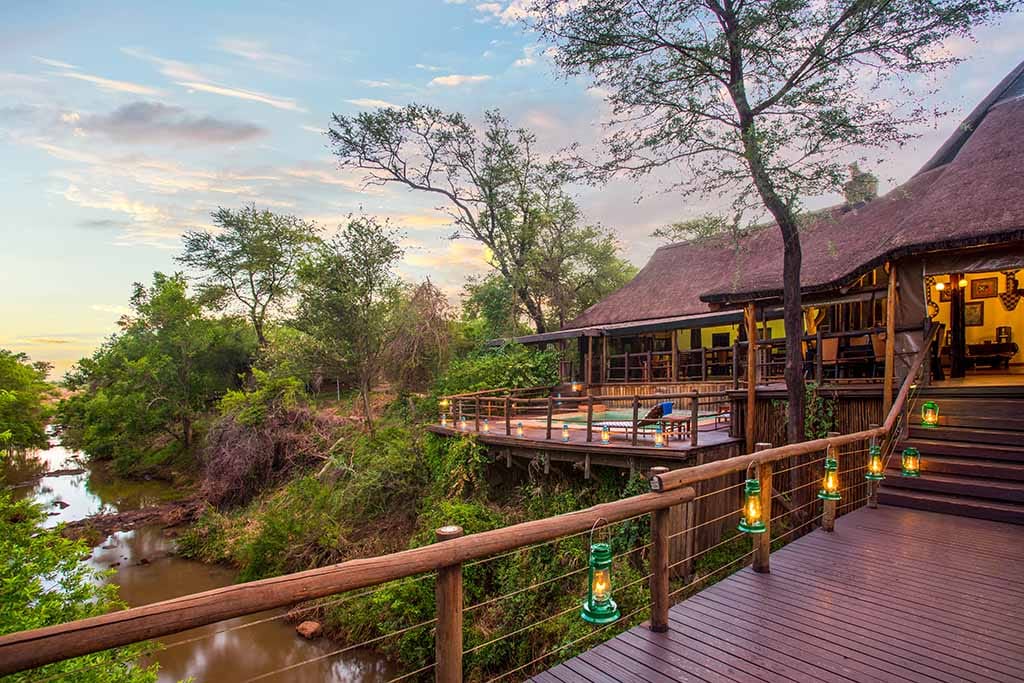
5-Day Madikwe Game Reserve Honeymoon Safari Package at Rhulani Safari Lodge
Celebrate your love with a romantic 5-Day Honeymoon Safari Package at Madikwe Game Reserve, one of South Africa’s most exclusive and malaria-free safari destinations.
- 5 days
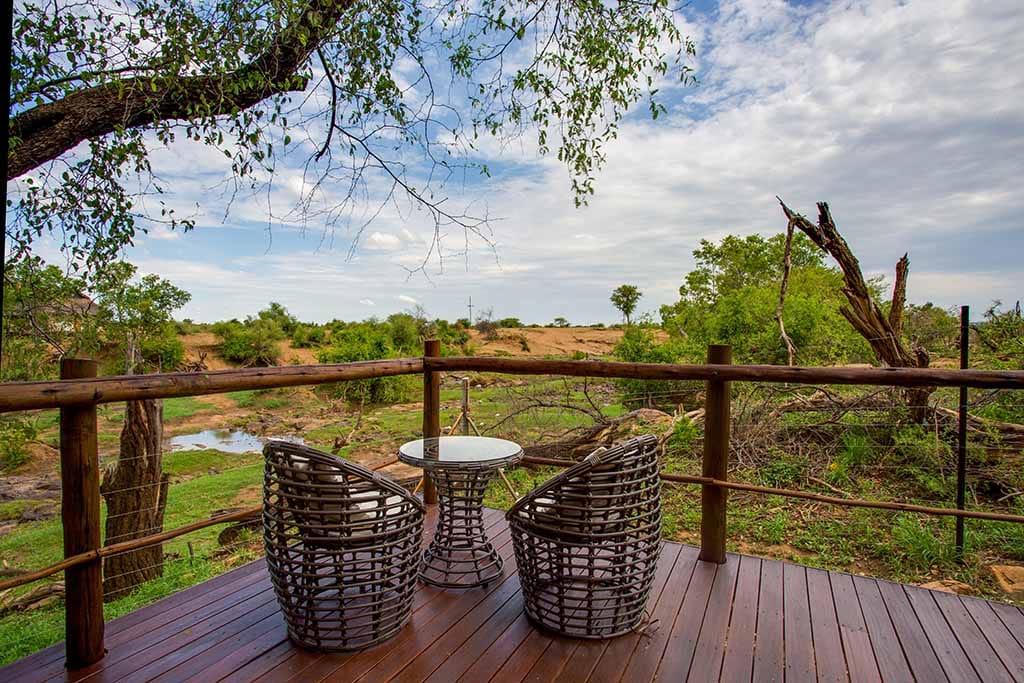
4-Day Madikwe Game Reserve Family Safari Package at Lelapa Lodge
Embark on a memorable 4-Day Madikwe Game Reserve Family Safari Package with Africa Moja Tours & Safaris, designed for families seeking a safe, exciting, and authentic African safari.
- 4 days
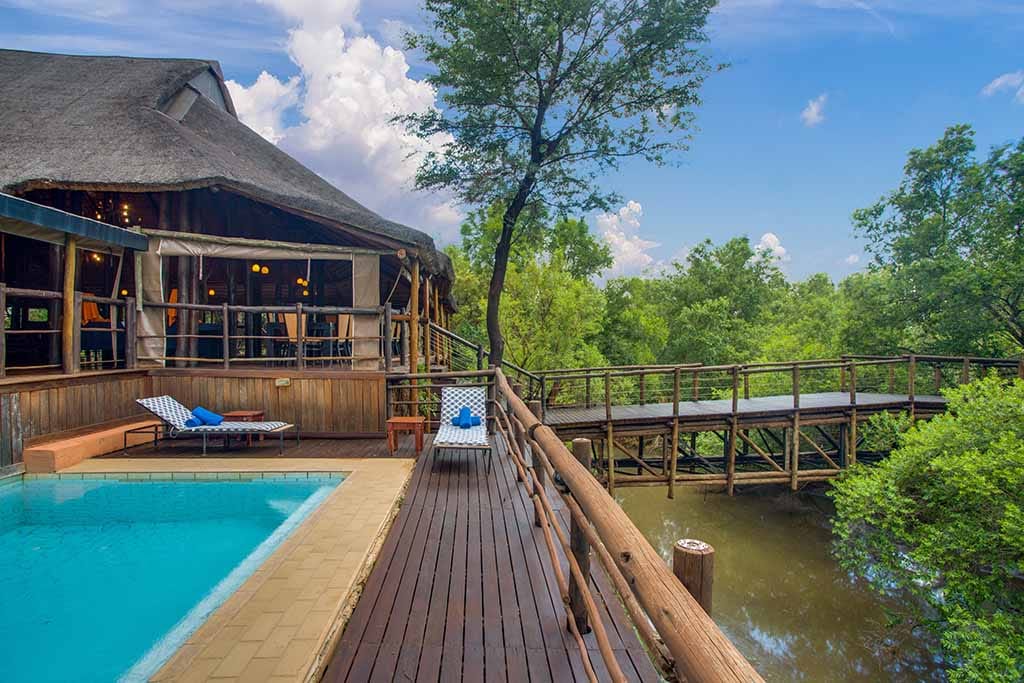
3-Day Madikwe Game Reserve Small Group Safari Package at Tau Game Lodge
Experience the wild beauty of South Africa’s Madikwe Game Reserve with our 3-Day Small Group Safari Package, designed for travelers who prefer the comfort of shared adventures in an intimate setting.
- 3 days
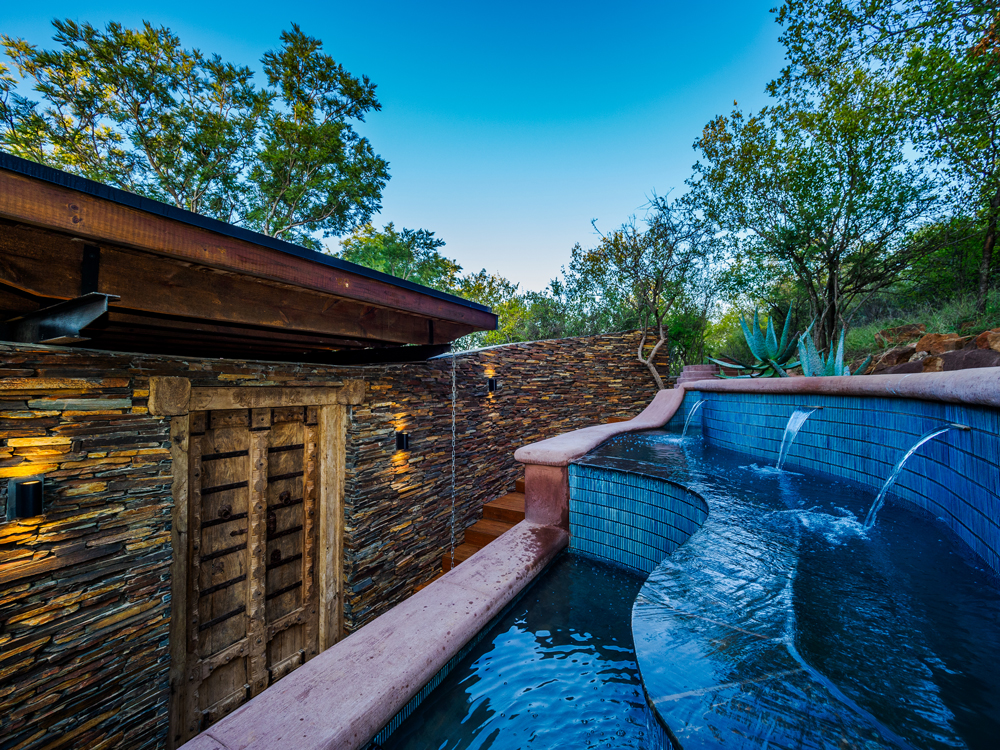
3-Day Madikwe Safari from Johannesburg
Embark on a 3 day safari from Johannesburg to Madikwe, offering expert-led game drives, up-close wildlife encounters, and stunning, diverse landscapes.
- 3 days
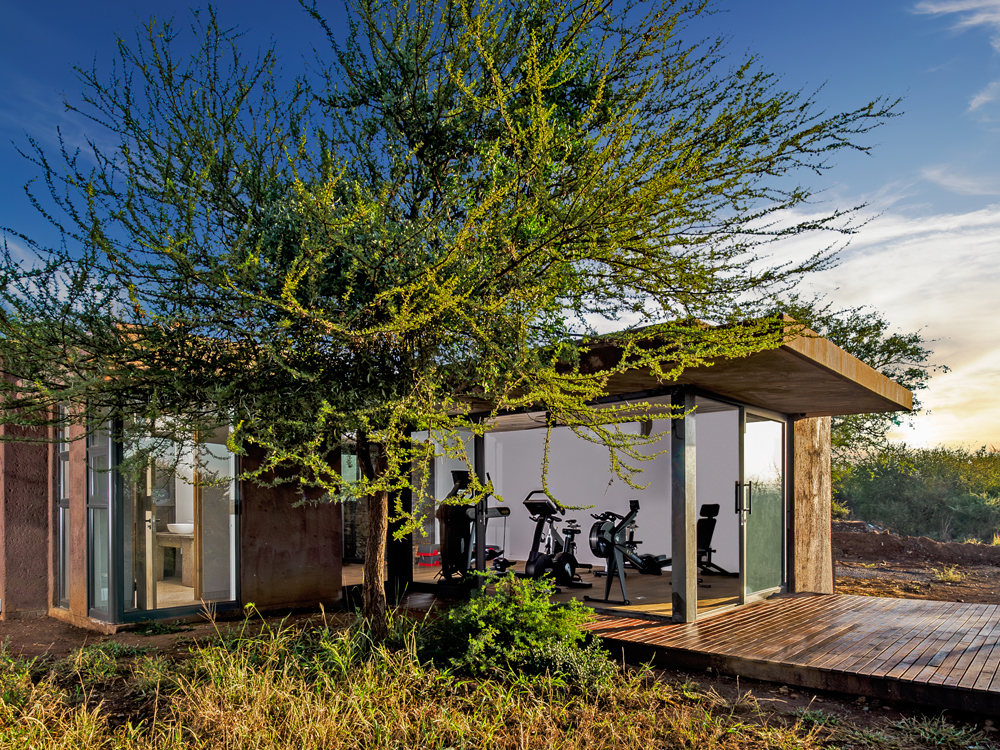
4-Day Madikwe Safari from Johannesburg
Set off on a captivating 4 day safari from Johannesburg to Madikwe, where expert guides lead game drives that unveil wildlife encounters amidst..
- 4 days
Tucked into South Africa’s far North West Province, right against the Botswana border, Madikwe Game Reserve has quietly become one of the country’s most rewarding safari secrets. Covering more than 75,000 hectares, Madikwe is South Africa’s fifth-largest game reserve, home to the full Big Five, one of the country’s most important populations of endangered African wild dog, and — crucially for many travellers — a completely malaria-free environment.
At Africa Moja Tours, Madikwe is one of our most requested additions to a South Africa Tours itinerary, particularly for families and honeymooners. In this guide we cover the reserve’s geography and conservation story, its wildlife, the gates and opening times you’ll need to plan around, where to stay, how to get there, and how Madikwe compares to South Africa’s other top private reserves.
Madikwe operates on a private, high-value, low-impact model — only guests staying at one of its lodges are permitted inside the reserve, which keeps vehicle numbers low and sightings genuinely intimate. Combined with its malaria-free status and easy road access from Johannesburg, it’s little surprise Madikwe has become a favourite for families, honeymooners, and first-time safari travellers alike.
What makes Madikwe particularly compelling is how recently its transformation happened. Unlike Kruger or Sabi Sands, which have protected wildlife continuously for the better part of a century, Madikwe was still cattle-grazing land as recently as the late 1980s. Its rebirth as one of South Africa’s most biodiverse private reserves within a single generation is a genuinely remarkable conservation story, and one that guides here are often keen to share alongside the day’s game drive.
Where Is Madikwe Game Reserve?
Madikwe Game Reserve lies in South Africa’s North West Province, approximately 360 kilometres northwest of Johannesburg and directly against the Botswana border, near the town of Zeerust. Covering roughly 75,000 hectares (750 square kilometres), Madikwe sits within a transitional zone between the Kalahari and lowveld ecosystems, giving it a distinctive mix of open grassland, dense thornveld, and rocky outcrops known locally as the Malatzie Hills.
Unlike Kruger or the private reserves adjoining it, Madikwe is entirely fenced, which allows its managers to maintain a carefully balanced ecosystem and reintroduce species that had disappeared from the region decades earlier. Its official management authority is the North West Parks Board, which oversees conservation and concession management across the reserve on behalf of the provincial government.
A Brief History of Madikwe: Operation Phoenix
Madikwe was proclaimed a nature reserve in 1991, following a detailed feasibility study that found the local, over-grazed farmland was better suited to conservation-based tourism than continued cattle ranching. What followed was one of the most ambitious game reintroduction projects in African conservation history: Operation Phoenix, which ran through the early 1990s and relocated more than 8,000 animals of 28 different species into the newly proclaimed reserve, including elephant, lion, and endangered African wild dog.
Operation Phoenix remains one of the largest wildlife translocation projects ever undertaken, and its success transformed a patchwork of depleted farmland into one of South Africa’s most biodiverse private reserves within a single generation — a conservation achievement that continues to shape how Madikwe is managed today, with an emphasis on genetic diversity and careful population management across all of its reintroduced species.
The project also required removing existing fencing between dozens of individual farms and erecting a single, predator-proof perimeter fence around the entire reserve — an engineering undertaking almost as significant as the animal relocations themselves. This fully enclosed design is precisely why Madikwe can maintain such careful control over its wildlife populations today, allowing managers to introduce, monitor, and where necessary relocate individual animals or entire breeding groups to maintain a healthy, balanced ecosystem.
Wildlife of Madikwe Game Reserve
Madikwe is home to more than 66 mammal species, including the full Big Five — lion, leopard, elephant, buffalo, and both black and white rhino. The reserve is particularly notable for its healthy population of endangered African wild dog, one of Madikwe’s signature sightings and a species now found in only a handful of protected areas across Southern Africa.
Beyond the headline species, Madikwe supports cheetah, spotted hyena, giraffe, and large herds of plains game including zebra, wildebeest, and various antelope species, alongside over 350 recorded bird species. Because the reserve is privately managed with strict vehicle limits, sightings here tend to be calmer and less crowded than in busier public parks, with guides regularly able to track wild dog packs, cheetah, and other elusive species across the reserve’s varied terrain.
Madikwe’s lion population, reintroduced during Operation Phoenix, has grown steadily over the decades and now represents one of the more genetically diverse populations in a fenced South African reserve, thanks to careful management of pride dynamics and periodic introduction of new bloodlines from partner reserves. This same careful oversight applies to the reserve’s rhino, both black and white, which continue to benefit from round-the-clock anti-poaching patrols given the ongoing threat poaching poses to the species across the region.
Photography Tips for Madikwe
Madikwe’s low vehicle density is a genuine advantage for photographers, since sightings rarely involve more than one or two other vehicles — a rarity in South African safari travel. Morning and late afternoon game drives offer the softest light, and the reserve’s varied terrain, from open grassland to the rocky Malatzie Hills, provides more varied backdrops than a single-habitat reserve.
A mid-range zoom lens covers most game-drive scenarios, while a longer telephoto is worth having on hand for Madikwe’s excellent wild dog sightings, which often unfold at some distance across open ground. Night drives require a different approach entirely — many guides carry red-filtered spotlights to minimise disturbance to nocturnal wildlife, so a fast lens and a willingness to shoot at higher ISO settings will serve you well after dark.
Madikwe Entrance Gates and Opening Times
Madikwe has several entrance gates, and because the reserve is entirely private, access is restricted to guests with a confirmed lodge booking — there is no general public entry as with a national park. Gate times follow a seasonal pattern typical of South African reserves.
Season | Gates Open | Gates Close |
April – September (winter) | 06:00 | 18:00 |
October – March (summer) | 05:30 | 18:30 |
Tau Gate: The main southern gate, closest to Johannesburg and used by the majority of road transfers arriving via Zeerust.
Molatedi Gate: Located near the Molatedi Dam in the reserve’s east, convenient for lodges in that section of Madikwe.
Wonderboom Gate: A smaller access point serving lodges in the reserve’s northern and western areas.
Because Madikwe is a private reserve with no self-drive tourist access, transfer timing is arranged directly by your lodge or tour operator rather than by arriving independently at a gate. Africa Moja Tours coordinates these transfers as part of every Madikwe package, ensuring you arrive within the reserve’s operating hours regardless of which gate your lodge uses.
Lodges Inside Madikwe Game Reserve
Because Madikwe only permits guests staying at one of its lodges to enter the reserve, accommodation here comes in a range of styles to suit different budgets and travel purposes, all offering full access to the reserve’s game-viewing circuit.
Madikwe Safari Lodge: A well-known, family-oriented property offering kid-friendly activities, babysitting services, and educational programmes designed for younger travellers.
Tuningi Safari Lodge: A favourite for honeymooners and couples, offering intimate, secluded suites, private dining, and sweeping sunset views over the bush.
Mbazo Lodge, Tambuti Lodge, and Lush Private Lodge: A selection of mid-range and boutique properties offering excellent value alongside classic twice-daily game drives.
Tshukudu Lodge: Set on a rocky outcrop offering panoramic views across the reserve, popular for its distinctive setting and personalised service.
Because only guests with a confirmed lodge booking may enter Madikwe, choosing the right lodge for your travel style — family, honeymoon, or small group — is the single most important decision in planning a Madikwe safari, and our team matches guests to the property that best fits their trip. Most Madikwe lodges operate on a fully inclusive basis, covering all meals, twice-daily game drives, and often a selection of local drinks, meaning the only real variable between properties is style, exclusivity, and location within the reserve.
Getting to Madikwe Game Reserve
Madikwe is most commonly reached by road from Johannesburg, a drive of around four-and-a-half to five-and-a-half hours depending on your lodge’s location within the reserve. There is no commercial airport at Madikwe itself; the only air alternative is a private charter flight to the Madikwe West airstrip, arranged directly through your lodge. The overland drive itself passes through the scenic farmland of the North West Province, and many transfers include a rest stop in Rustenburg or Zeerust roughly halfway through the journey.
Airports and Transfers to Madikwe
OR Tambo International Airport (JNB): Johannesburg’s main international gateway and the standard starting point for a Madikwe road transfer.
Lanseria Airport (HLA): A smaller Johannesburg-area airport also used for private transfers to Madikwe, often slightly closer depending on your accommodation before departure.
Madikwe West Airstrip (MWD): The reserve’s own private airstrip, used for charter flights arranged directly through your lodge for guests wanting to skip the road transfer entirely.
Africa Moja Tours arranges private, door-to-door road transfers from OR Tambo, Lanseria, or your Johannesburg, Sandton, or Pretoria hotel directly to your Madikwe lodge as standard on every package — you can read more detail on our Madikwe Private Shuttle Transfers page.
Best Time to Visit Madikwe
May to October (Dry Season): The best period for wildlife viewing, as animals gather predictably around waterholes and thinner vegetation makes sightings easier.
November to April (Summer/Green Season): Lush vegetation, newborn animals, and spectacular birdlife make this a paradise for photographers, though sightings can require a little more patience.
Thanks to its moderate climate and malaria-free status, Madikwe is genuinely a year-round destination, particularly well suited to families travelling with children at any time of year.
Safari Activities in Madikwe
Morning and afternoon game drives: The core activity at every Madikwe lodge, in open 4×4 vehicles led by experienced guides and trackers.
Guided bush walks: Offered by several lodges, providing a slower, ground-level introduction to tracks, plants, and smaller wildlife.
Night drives: A Madikwe highlight, given the reserve’s strong nocturnal predator activity, including regular sightings of hunting leopard and the reserve’s famous wild dog packs.
Sundowners and bush dinners: A relaxed way to close out the day, with most lodges offering scenic sundowner stops and private or boma-style dining under the stars.
Madikwe vs. Pilanesberg and Sabi Sands
Travellers comparing South Africa’s malaria-free and private reserve options often ask how Madikwe stacks up against Pilanesberg National Park and Sabi Sands Game Reserve, South Africa’s other headline safari destinations.
Madikwe vs. Pilanesberg: Pilanesberg is closer to Johannesburg and more affordable for short trips, while Madikwe feels more exclusive, remote, and lodge-focused — our detailed
Pilanesberg vs Madikwe comparison breaks down the differences in full.
Madikwe vs. Sabi Sands: Sabi Sands, adjoining Kruger National Park, offers slightly higher wildlife density and legendary leopard sightings but carries a malaria risk, whereas Madikwe trades a small amount of density for a completely malaria-free environment — an important factor for families and travellers avoiding antimalarial medication.
For travellers wanting a fully bespoke itinerary combining any of these reserves, our Custom African Safari Packages service builds a route around exactly what matters most to you, whether that’s Madikwe alone or a multi-reserve South Africa circuit.
Combining Madikwe With the Rest of South Africa
Because Madikwe sits in the same North West Province as Sun City and Pilanesberg, a combined Madikwe and Sun City itinerary is a popular choice for families wanting both a bush safari and resort experience, with Rustenburg making a natural halfway rest stop on the drive from Johannesburg.
Madikwe also connects naturally to a wider South Africa journey through our Kruger National Park Safaris, Cape Town Tour Packages, and Cape to Kruger Experience, or extended further afield through our Victoria Falls Tours, Botswana Tours, and Namibia Tours collections. Larger travelling parties should look at our Group Tours, while our Small Group Tours Africa suit a more intimate pace.
Why Madikwe Is Ideal for Families and Honeymooners
Madikwe’s malaria-free status is its single biggest advantage for family travel, removing the need for antimalarial medication and the associated side-effect concerns for young children. Several lodges, including Madikwe Safari Lodge, actively cater to families with dedicated kids’ programmes, babysitting services, and flexible meal times.
For couples, Madikwe’s low vehicle density and private, exclusive-use model make it one of South Africa’s most romantic safari destinations, with lodges like Tuningi offering the kind of secluded, intimate setting that’s hard to find in busier public reserves. You can find more detail in our Family Safari Guide, which covers malaria-free options and kid-friendly lodges across South Africa.
Responsible and Sustainable Tourism in Madikwe
Madikwe’s Operation Phoenix legacy continues to shape how the reserve is managed today, with careful attention paid to genetic diversity and population balance across its reintroduced species, particularly its endangered wild dog packs. Because only lodge guests are permitted inside the reserve, vehicle numbers remain naturally low, reducing pressure on wildlife compared to busier public parks.
Choosing operators and lodges that support the reserve’s conservation levies and employ local guides helps ensure Madikwe’s remarkable recovery story — from depleted farmland to one of South Africa’s most biodiverse reserves — continues for future generations. The reserve also works closely with neighbouring communities on employment and enterprise development, recognising that long-term conservation success depends on tangible local benefit alongside wildlife protection.
What to Pack for a Madikwe Safari
Madikwe’s climate ranges from hot summer days to genuinely cold winter mornings and evenings, so layering is essential year-round, particularly for early morning and night game drives. Neutral-coloured clothing works well for game viewing, along with a wide-brimmed hat, sunglasses, and sunscreen for the open bushveld sun.
Binoculars are useful for spotting distant wildlife across Madikwe’s varied terrain, and a camera with a reasonable zoom lens will help capture the reserve’s excellent wild dog and predator sightings. Because Madikwe is malaria-free, insect repellent is a comfort item rather than a necessity, though it’s still worth packing for evenings outdoors.
Why Book Your Madikwe Safari with Africa Moja Tours
Africa Moja Tours has spent over a decade designing safaris across Southern and East Africa, and Madikwe’s combination of exclusivity, malaria-free peace of mind, and easy road access from Johannesburg makes it one of our most popular family and honeymoon recommendations. We handle lodge selection, private transfers, and every logistical detail so your Madikwe trip runs smoothly from the moment you land.
You can browse our complete range of itineraries on our All Tours page, learn more about our team on the About Us page, or read more destination inspiration on our Travel Blog. For questions before you book, reach our safari specialists via our Contact Us page.
Frequently Asked Questions about Madikwe Game Reserve
Below are the questions we hear most often from travellers planning a Madikwe trip. For broader safari planning queries, our General FAQ page covers payments, visas, and travel requirements in more detail.
Is Madikwe really malaria-free? Yes — Madikwe is one of South Africa’s largest malaria-free Big Five reserves, making it a popular choice for families and travellers who prefer to avoid antimalarial medication.
How far is Madikwe from Johannesburg? Approximately 360 kilometres, roughly a four-and-a-half to five-and-a-half hour drive depending on your lodge’s exact location within the reserve.
Can I self-drive to Madikwe and explore on my own? You can self-drive to your lodge, but Madikwe is a private reserve — only guests staying at a Madikwe lodge with a confirmed booking are permitted to enter and explore the reserve itself.
Is Madikwe good for seeing African wild dog? Yes — Madikwe holds one of South Africa’s most significant populations of endangered African wild dog, and sightings here are more reliable than in most other reserves.
Is Madikwe suitable for young children? Yes — its malaria-free status and family-oriented lodges with kids’ programmes make Madikwe one of South Africa’s most child-friendly Big Five safari destinations.
Can I combine Madikwe with Sun City? Yes — Madikwe, Sun City, and Pilanesberg all sit within the same North West Province route from Johannesburg, making a combined bush-and-resort itinerary a popular option for families.
How many nights should I spend at Madikwe? Three nights is generally considered the sweet spot, giving enough time for both morning and afternoon game drives across several days while allowing for a relaxed pace — though two nights works well as part of a wider South Africa itinerary.
What is Operation Phoenix and why does it matter? Operation Phoenix was the early-1990s project that relocated over 8,000 animals into Madikwe following its proclamation as a reserve, transforming former farmland into one of South Africa’s most biodiverse protected areas within a single generation.
Final Thoughts: Plan Your Madikwe Safari Adventure
Few South African reserves combine exclusivity, family-friendliness, and genuine Big Five wildlife quite like Madikwe. Born from one of Africa’s most ambitious conservation projects, this malaria-free reserve continues to deliver intimate, low-density game viewing that’s increasingly hard to find elsewhere on the continent.
And if your South Africa journey extends further, our team can build in more of the country and region too — from Sabi Sands Game Reserve and a classic Kruger National Park Safaris experience, to the thunder of Victoria Falls, or a coastal and wine-country finale with our Cape Town Tour Packages.
Ready to experience Madikwe’s malaria-free Big Five safari for yourself? Get in touch with Africa Moja Tours today and let our safari specialists build your perfect itinerary.
Ready for your African adventure?

CONTACT US
Cookie consent
Terms and condition
POPULAR DESTINATIONS
SOUTH AFRICA
KENYA
TANZANIA
BOTSWANA
SAFARI PACKAGES
SHUTTLE SERVICES
NATIONAL PARKS







Privacy Overview
| Cookie | Duration | Description |
|---|---|---|
| cookielawinfo-checkbox-analytics | 11 months | This cookie is set by GDPR Cookie Consent plugin. The cookie is used to store the user consent for the cookies in the category "Analytics". |
| cookielawinfo-checkbox-functional | 11 months | The cookie is set by GDPR cookie consent to record the user consent for the cookies in the category "Functional". |
| cookielawinfo-checkbox-necessary | 11 months | This cookie is set by GDPR Cookie Consent plugin. The cookies is used to store the user consent for the cookies in the category "Necessary". |
| cookielawinfo-checkbox-others | 11 months | This cookie is set by GDPR Cookie Consent plugin. The cookie is used to store the user consent for the cookies in the category "Other. |
| cookielawinfo-checkbox-performance | 11 months | This cookie is set by GDPR Cookie Consent plugin. The cookie is used to store the user consent for the cookies in the category "Performance". |
| viewed_cookie_policy | 11 months | The cookie is set by the GDPR Cookie Consent plugin and is used to store whether or not user has consented to the use of cookies. It does not store any personal data. |
Book With Whatsapp