
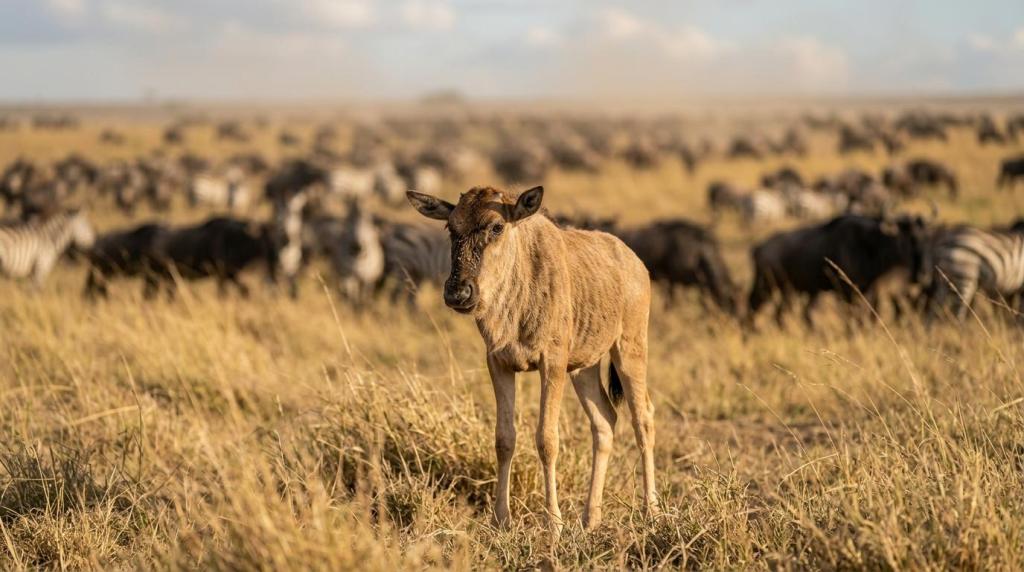
A Tanzania northern circuit itinerary is often the first safari route travelers consider, and with good reason. It brings together three of East Africa’s most famous wildlife areas in one logical journey: Tarangire National Park, Serengeti National Park, and the Ngorongoro Conservation Area. The route is efficient, rewarding, and packed with variety.
What makes it stand out is the contrast from one stop to the next. You move from Tarangire’s baobabs and elephant herds to the vast plains of the Serengeti, then into the dramatic volcanic basin of Ngorongoro Crater. In a single trip, you can experience classic game drives, migration viewing, rich birdlife, and meaningful cultural encounters near Maasai communities.
Why a Tanzania northern circuit itinerary works so well
This route works because it combines strong wildlife density with easy safari flow. Most itineraries begin in Arusha, then travel west and north through the parks before returning by road or light aircraft. That keeps travel practical while still giving access to very different habitats.
Each park adds something distinct. Tarangire is often the opening act, but it is far from a warm-up park. Its dry-season elephant concentrations are exceptional, and its giant baobabs give it a look unlike anywhere else in Tanzania. Serengeti then delivers scale, predators, and the drama of the Great Migration. Ngorongoro offers one of the best chances in Africa to see a wide range of wildlife in a single day on the crater floor.
After a few days on this route, most travelers notice the same strengths:
- Big game in different landscapes
- Strong chances of seeing predators
- Seasonal migration possibilities
- Good options for 5 to 10 day safaris
- Easy pairing with Zanzibar after the safari
The three main parks on the Serengeti, Ngorongoro, and Tarangire route
Tarangire National Park is usually the easiest park to reach from Arusha, which is why many northern circuit safaris begin here. It is known for large elephant herds, old baobab trees, and the Tarangire River, which draws animals in the dry season. From June through October, wildlife gathers around water, and game viewing can be excellent. Birders also rate Tarangire highly, with more than 500 recorded species in the wider ecosystem.
Serengeti National Park is the route’s headline name. It covers a huge area of plains, kopjes, river lines, and scattered woodland. Even outside migration season, the wildlife viewing is world-class. Lions, cheetahs, hyenas, elephants, giraffes, and large antelope herds are common safari highlights. When the migration is in the park, the experience can shift from excellent to unforgettable, especially during calving season in the south or river crossing season in the north.
Ngorongoro Conservation Area adds a very different mood. The road climbs into cooler highlands, and then the crater appears below like a natural amphitheater. On the crater floor, the wildlife density feels intense. Buffalo, zebra, wildebeest, hippos, lions, and spotted hyenas are often seen in a single game drive, and Ngorongoro remains one of the better places to look for black rhino.
Sample 7-day Tanzania northern circuit itinerary
A week is a sweet spot for this route. It gives enough time for meaningful game drives without feeling rushed, especially if you want both Serengeti depth and Ngorongoro included.
| Day | Route | Main experience | Overnight |
|---|---|---|---|
| 1 | Arusha to Tarangire | Afternoon game drive among elephants and baobabs | Tarangire or Karatu |
| 2 | Tarangire to Central Serengeti | Scenic transfer through the highlands and into the plains | Serengeti |
| 3 | Central Serengeti | Full-day game drive for big cats and resident wildlife | Serengeti |
| 4 | Serengeti | Full-day game drive, adjusted to season and migration location | Serengeti |
| 5 | Serengeti to Ngorongoro area | Morning game drive, then travel to crater rim or Karatu | Ngorongoro rim or Karatu |
| 6 | Ngorongoro Crater | Crater descent for Big Five viewing | Karatu |
| 7 | Karatu to Arusha | Return drive with optional cultural or market stop | Departure or Arusha stay |
This format suits many first-time safari travelers because it balances depth and range. Three nights in the Serengeti give you time to reach productive areas and avoid turning the park into a quick transit stop. Tarangire and Ngorongoro then add variety without forcing long backtracking.
A longer version can include Lake Manyara, extra nights in the Serengeti, or a seasonal shift to Ndutu if calving is a priority.
Best time for a Serengeti, Ngorongoro, and Tarangire safari
The northern circuit runs year-round, but the best version of the itinerary depends on what you most want to see.
From June to October, conditions are dry and wildlife tends to gather near permanent water. Tarangire is especially strong in these months, with large elephant herds and busy riverbanks. Northern Serengeti becomes a major focus from roughly July to October when migration herds move toward the Mara River. This period is popular, so camps and lodges should be booked well ahead.
From December to March, attention often shifts south. The Ndutu and southern Serengeti areas host calving season, when hundreds of thousands of wildebeest spread across the plains. Predator activity can be excellent, and photographers often like the soft green landscapes of this time of year.
The green season, especially April and May, has fewer visitors and often better value. Rain can affect road conditions, but the scenery is beautiful and birdlife is excellent. Travelers who are flexible and do not need exact migration moments can still have a very strong safari.
How many days to spend on a Tanzania northern circuit safari
Trip length shapes the whole experience. A five-day safari can cover the highlights, but it usually feels fast. Seven days is more comfortable. Eight to ten days gives much more room for a seasonal Serengeti focus, slower drives, and a better mix of wildlife and culture.
If you are deciding how to divide your time, this rule of thumb works well:
- Tarangire: 1 to 2 nights for elephants, baobabs, and a relaxed start
- Serengeti: 3 to 4 nights for real depth and better seasonal positioning
- Ngorongoro area: 1 night before or after the crater descent
- Karatu or Arusha add-on: 1 night if you want a softer arrival or departure
Travelers who want the migration should spend the extra nights in whichever Serengeti zone matches the season. That matters more than simply choosing the longest trip on paper.
Great Migration timing on a Tanzania northern circuit itinerary
The Great Migration is not a single event at one fixed place. It is a year-round movement of roughly 1.5 to 2 million wildebeest, zebra, and gazelle through the Serengeti-Mara ecosystem. That is why the best itinerary is often a seasonal itinerary.
A migration-focused safari may place you in southern Serengeti or Ndutu from January to March for calving. In the middle months, central and western Serengeti can be productive. Later in the dry season, northern Serengeti becomes the priority for river crossing chances. No operator can promise a crossing on demand, but staying in the correct zone gives you the best odds. Operators often reposition across rough tracks as conditions change, which is one reason fleets on the northern circuit are dominated by Toyota Land Cruisers; as marketplace data from Toyota in Tanzania highlights, the brand’s presence is deeply entrenched in the country’s safari-ready vehicle pool.
This is where custom planning matters. A standard route is a strong starting point, though a migration-smart route is usually better.
Accommodation options on the northern circuit route
One of the route’s strengths is flexibility. It works for budget travelers, mid-range couples, photographers, families, and luxury safari guests. The parks offer everything from simple camps to high-end tented lodges with sweeping views and polished service.
Your accommodation style affects more than price. It also changes drive times, atmosphere, and how closely you stay to wildlife areas. A tented camp in the Serengeti can place you closer to the action at dawn, while a lodge in Karatu can offer comfort and value near Ngorongoro.
After considering budget, most travelers compare these practical choices:
- Budget camps: Simple, social, and good for value-focused safaris
- Mid-range lodges: Strong comfort without luxury pricing
- Luxury tented camps: Closer bush feel with high service levels
- Fly-in safari camps: Best for saving time on longer distances
Private 4×4 safaris remain the most popular format, especially for couples, families, and photographers. A private vehicle allows more flexibility with pace, sightings, and photo stops. Small-group departures can reduce costs, though they naturally offer less control over timing.
Cultural experiences on a Tanzania northern circuit itinerary
Wildlife is the main reason most people book this route, but cultural time can add welcome depth. Around Ngorongoro and Karatu, many itineraries include a Maasai community visit or a stop at a locally run cultural center. When arranged well, these visits are respectful, informative, and rooted in real community benefit.
The best cultural experiences do not feel rushed or staged. They create space to learn about pastoral life, homes, beadwork, cattle traditions, and the connection between people, livestock, and the land. In some community-run projects, visitor fees directly support local education or development work, which makes the stop more meaningful for travelers who want their trip to have a positive local impact.
A good guide usually helps set the tone with simple reminders on etiquette, photography, and respectful interaction.
Who should choose this Tanzania safari route
This itinerary appeals to a very wide range of travelers because it is easy to tailor without losing the classic safari feel.
It suits:
- First-time safari visitors
- Honeymooners
- Families with older children
- Wildlife photographers
- Small private groups
- Travelers combining safari and Zanzibar
It is also a strong choice for people who want the iconic East Africa safari image in one trip: endless plains, predator sightings, elephants under baobabs, and a crater full of game.
How to customize a northern circuit safari without overcomplicating it
The best custom safaris are not overloaded. They are shaped around a few priorities and then kept simple. If migration is the focus, shift the Serengeti camp location by season. If comfort matters most, use fewer lodge changes. If photography matters most, add extra Serengeti nights and keep the driving pace slower.
Many tailor-made safaris are built around questions like these:
- Travel style: private safari, shared safari, or fly-in safari
- Pace: fast highlights trip or slower wildlife-focused routing
- Budget: value lodges, mid-range camps, or luxury tented stays
- Interests: migration, big cats, birding, family travel, or culture
That is usually the difference between a good northern circuit itinerary and a great one. The core route stays the same, but the rhythm changes to match the traveler.
For anyone planning this safari, the smartest next step is to decide on travel month first, then number of days, then accommodation level. Once those three pieces are clear, the right Serengeti, Ngorongoro, and Tarangire route becomes much easier to shape.