A safari can feel like two trips in one: the wildlife experience you came for, and the travel experience that gets you there. That second part matters more than many travelers expect. Whether you fly between camps or travel by road shapes your daily rhythm, your comfort level, and the kind of stories you bring home.
Below is a practical, traveler-first comparison of fly-in vs overland safaris, with an emphasis on time, comfort, and budget across popular Southern and East African routes.
What “fly-in” and “overland” really mean
A fly-in safari uses scheduled or charter bush flights to move between regions and camps. You typically land on an airstrip near a lodge or tented camp, then transfer a short distance by 4×4. Game drives are usually run by the camp’s guiding team, often in open safari vehicles.
An overland safari travels primarily by road in a safari vehicle (private or shared), moving from place to place with the same guide and vehicle across the itinerary. Game drives may be done in the same vehicle, or in specialized open vehicles once inside certain reserves and concessions, depending on the destination and regulations.
Both styles can be luxurious. Both can be value-focused. The difference is the travel time and the feel of the trip.
Time: how much of your trip is actually safari time?
Time is the most common reason travelers choose to fly. A quick hop can replace a long day on the road, which often turns into a chain reaction: earlier wake-ups, later arrivals, fewer unhurried game drives, and more time recovering from transit.
Fly-in itineraries are often built around shorter total trip lengths. Many travelers can do a satisfying safari in 5 to 7 days with flights between key areas. Comparable “see it all by road” trips often need 10 days or more, simply to make the distances comfortable.
Overland travel is not automatically “wasted time,” though. Some routes are scenic and culturally rich. Road travel can also make sense when parks are close together, when you want flexible stops, or when your group enjoys the road-trip feel.
After considering dozens of common routes, these are the time patterns that show up most often:
- Flight legs: commonly 1 to 2 hours, plus check-in, transfers, and baggage checks
- Road transfers: often 5 to 8 hours on transfer days, especially in multi-country or remote-area itineraries
- Game viewing trade-off: fly-in often gives you more fresh-energy game drives per day, overland often gives you more “between places” experiences
Comfort: sleep, seats, and the pace of your days
Comfort is not only about thread count and infinity pools. On safari, comfort is also about how your body feels after transit, how much control you have over your day, and what “downtime” looks like.
Fly-in safaris tend to feel more restful because the long-distance movement is done by plane. You arrive, settle in, and you are quickly in safari mode. Many fly-in circuits also focus on lodges and tented camps that are designed for privacy, scenery, and consistent service, which is one reason honeymooners and photographers often gravitate to this style.
Overland safaris can be very comfortable too, but comfort comes from different strengths: a familiar guide, the same seat, the same flow, and fewer “re-check-in” moments. On longer routes, a well-run overland vehicle becomes your mobile base. Some purpose-built overland trucks are outfitted with practical features that make long days easier, including storage, a kitchen setup, and even an onboard toilet on certain styles of trip.
A few traveler comfort considerations that are easy to miss when comparing quotes:
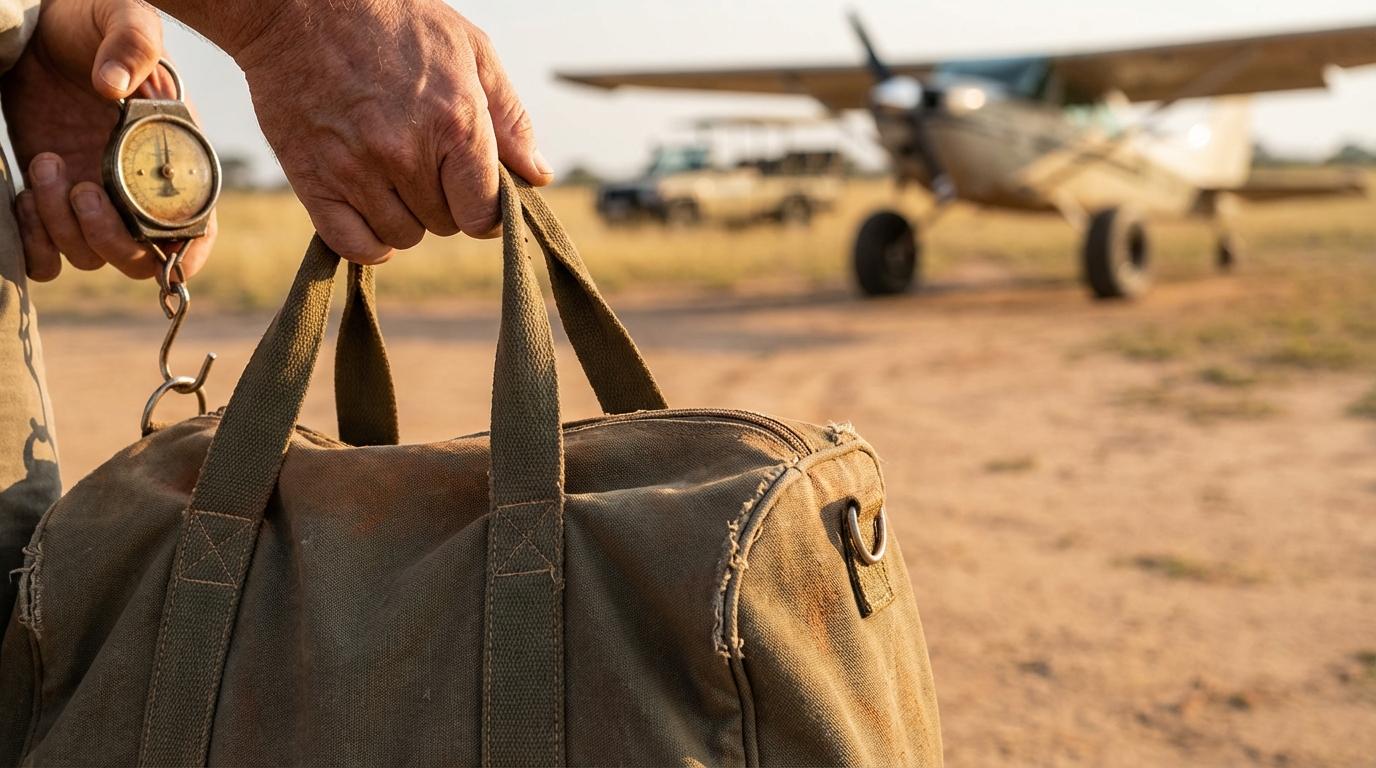
- Bush flight baggage limits: small aircraft often cap luggage around 15 kg per person, and soft bags are typically required
- Motion and dust: long road days can be bumpy on certain routes and seasons, especially after heavy rains
- Dining rhythm: fly-in trips usually anchor meals at camp, overland trips may include more “on the move” lunches on transfer days
Budget: what you are paying for in each style
Budget comparisons can get confusing because “safari” bundles a lot: guiding, vehicles, park fees, accommodations, meals, and activities. The clearest way to compare fly-in vs overland is to look at the cost drivers.
With fly-in safaris, the big add-ons are the flights and, often, higher-priced camps positioned near airstrips and private concessions. With overland safaris, costs are concentrated in ground transport, guide time, and the itinerary length (more nights can mean a higher total even if nightly rates are lower).
As a ballpark, travelers frequently see pricing patterns like these for a 5 to 7 day safari:
| Category | Fly-in safari (typical range) | Overland safari (typical range) |
|---|---|---|
| Trip length commonly sold | 5 to 7 days | 8 to 14 days |
| Internal transport | Short flights plus transfers | Road travel by 4×4 or safari vehicle |
| Total cost per person (mid-range) | US$3,000 to $5,000 | US$1,500 to $2,500 |
| Biggest cost driver | Flights and camp rates | Distance, guide time, extra nights |
| Park and conservancy fees | Similar structure | Similar structure |
A useful way to think about value is this: fly-in safaris often buy you time and energy, while overland safaris often buy you scope and variety.
Wildlife style: private concessions, pacing, and what you can do
Wildlife viewing is excellent in both formats, but the experience can differ based on access and rules, not just transport.
Fly-in circuits are commonly built around remote areas and private reserves or concessions where road access is limited or where it is simply impractical to drive between stops. In many private areas, you may have added flexibility (subject to local regulations), which can improve the flow of a sighting and the quality of your time in the field.
Overland routes often shine when you want a broader view of a region: big national parks, scenic routes, small towns, and varied landscapes. You may also enjoy a more continuous story across the trip since you are moving through the terrain rather than skipping over it.
Here are a few examples of where each style often fits naturally:
- Remote delta or desert camps: fly-in is often the simplest, most time-friendly choice
- Classic circuits with short distances: overland can be comfortable and cost-effective
- Mixed-interest trips (wildlife plus cities and coast): either can work, and a hybrid is often ideal
Culture and connection: what happens between the highlights
A road-based safari can create organic moments that are hard to schedule: a roadside market stop, a viewpoint, a local lunch, a town you would never fly into. These aren’t “extras,” they are part of how many travelers build emotional connection with a place.
Fly-in safaris can include cultural experiences too, but they are usually more curated and destination-based. You arrive, you do the activity, you return to camp. That structure can be perfect if you prefer a smoother pace, have limited time, or want to keep the focus tightly on wildlife and relaxation.
If cultural contact is a top priority, it is worth saying so early in the planning process. It can shape the route as much as the parks do.
Group dynamics: who you travel with matters
Safari is social in ways people do not always expect. Even private trips involve daily interaction with guides and staff, and shared departures create instant community.
Overland travel tends to build camaraderie quickly because everyone shares the same road days, the same snack breaks, the same “we made it” moments. Many families and friend groups like the simplicity of one guide and one vehicle throughout.
Fly-in travel often feels more private and segmented: each camp has its own team, your days are neatly structured, and the environment is designed to help you truly switch off. That can be ideal for couples, honeymooners, and travelers who want quiet between game drives.
A simple fit guide:
- Fly-in: tight schedules, high comfort focus, remote camps, milestone trips
- Overland: longer holidays, shared adventure, flexible stops, broad route coverage
- Hybrid: fly one long leg, drive the rest to balance budget and pace
Logistics you should plan for (and ask about)
Safari planning is easier when you know which details affect the day-to-day experience. A good operator will flag these early and build around them.
Here are questions that often change the quality of a trip more than people expect:
- What’s included vs paid locally: park fees, conservancy fees, premium drinks, and tips can be treated differently by property and country
- What the transfer days look like: departure time, restroom stops, road conditions, and whether you lose a game drive
- Which vehicle is used for game drives: open-sided 4×4 in a private reserve, closed vehicle in certain parks, or a mix depending on rules
For travelers coordinating multiple countries, also ask how border crossings work, whether visas are needed in advance, and how luggage is handled if you mix flights and road travel.
How Africa Moja Tours & Safaris helps travelers choose the right format
Choosing fly-in vs overland is rarely a simple “one is better” decision. It is usually a matching exercise: your available days, your comfort preferences, your budget range, and the wildlife areas that matter most to you.
As an African-owned, SATSA-accredited operator with over 15 years of on-the-ground experience, Africa Moja Tours & Safaris typically plans both styles across Southern and East Africa, including classic Big 5 routes, private-reserve stays, and multi-country combinations. Many travelers also opt for a tailored blend: flying to cover a large distance, then switching to overland for richer pacing and local stops.
If you already know your must-haves, it becomes easier to shape the trip:
- Want more safari time per day and fewer long transfers? Fly-in is often the cleanest answer.
- Want more variety across landscapes and communities, with a shared road-trip feel? Overland is often the better fit.
- Want a balanced budget with one “wow” camp? A hybrid plan can make that possible without rushing.
The best itineraries do not start with a vehicle type. They start with what you want to feel when you wake up each morning, and how you want to spend your best hours of the day.