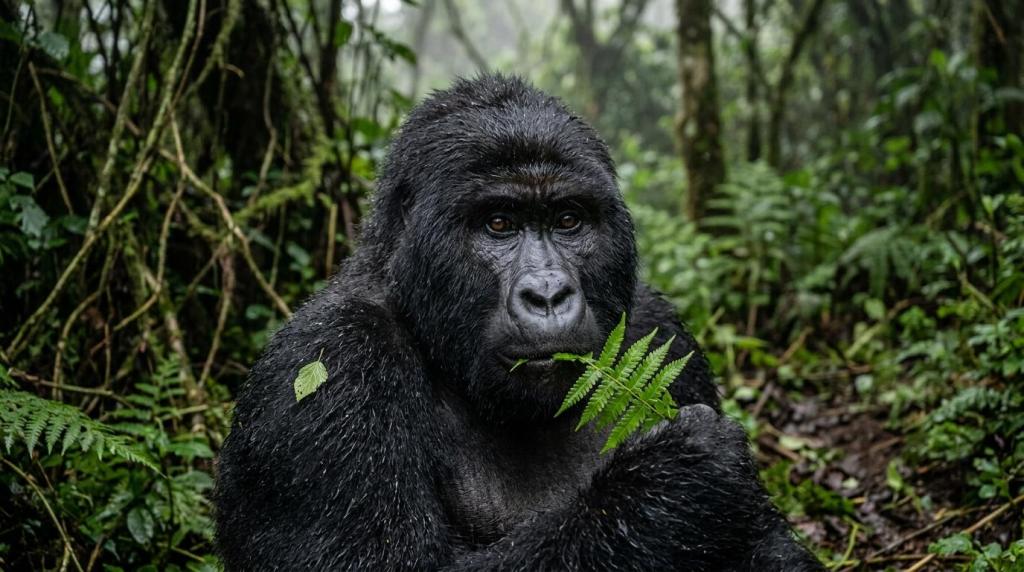
Seeing mountain gorillas in the wild is one of Africa’s most moving wildlife experiences, and for many travelers the first big decision is simple: should you trek in Uganda or Rwanda?
Both countries offer well-managed gorilla trekking with strict conservation rules, expert park teams, and a very high chance of seeing a habituated gorilla family. The biggest differences come down to permit cost, hiking conditions, travel time, and the style of trip you want. If you are comparing value, Uganda usually stands out. If you want the easiest access and a shorter transfer, Rwanda often takes the lead.
Gorilla trekking Uganda vs Rwanda at a glance
A side-by-side comparison helps quickly show where each destination shines.
| Aspect | Uganda | Rwanda |
|---|---|---|
| Main parks | Bwindi Impenetrable National Park, Mgahinga Gorilla National Park | Volcanoes National Park |
| Standard foreign permit | US$800 | US$1,500 |
| Special experience | Gorilla habituation available in Uganda | Standard trek only |
| Trek terrain | Dense rainforest, muddy and rugged in places | Steep volcanic slopes, often more open trails |
| Typical trek length | About 2 to 6 hours, sometimes longer | About 4 to 8 hours, sometimes shorter or longer |
| Altitude | Lower than Rwanda overall | Higher altitude, cooler air |
| Access | Longer road transfers, or domestic flights | About 3 hours by road from Kigali |
| Best months | June to September, December to February | June to September, December to February |
| Best fit for | Value, variety, longer safari combinations | Short luxury trips, easier logistics |
The key point is that neither choice is “better” for everyone. The right choice depends on budget, fitness, timing, and how much travel you want before and after the trek.
Gorilla permit prices in Uganda and Rwanda
Permit price is usually the biggest factor in this comparison.
Uganda currently offers much better value for most international travelers. Standard gorilla trekking permits for foreign non-residents are US$800, while Rwanda’s are US$1,500. That price gap is large enough to shape the whole trip budget, especially for couples, families, and small groups.
Uganda also has one extra option that Rwanda does not currently offer: the gorilla habituation experience. This costs US$1,500 and allows up to four hours with a semi-habituated gorilla group under ranger supervision. For photographers and travelers who want more time in the forest, that can be a major advantage.
There are also some seasonal and residency-related differences worth knowing.
- Uganda standard permit: US$800 for foreign non-residents
- Uganda habituation permit: US$1,500
- Rwanda standard permit: US$1,500 for foreign visitors
- Foreign resident and East African citizen rates differ in both countries
- Uganda has announced limited low-season permit discounts for certain periods
Price alone does not tell the full story, though. Rwanda’s higher permit cost can still make sense for travelers who want a shorter trip with less driving. A quick Kigali arrival, a short transfer to Volcanoes National Park, and a high-end lodge stay can be very appealing if time matters more than overall cost.
Gorilla permit booking rules and availability
Permit availability matters almost as much as price.
Uganda permits are issued by the Uganda Wildlife Authority, and international travelers normally secure them through a licensed tour operator. Rwanda permits are issued by the Rwanda Development Board, and these can be booked through the official system or with a licensed operator.
In both countries, permits should be booked well ahead for peak travel months. June through September and December through February are the most requested dates. If you wait too long, your preferred day, park sector, or lodge may already be sold out.
A well-planned booking process usually includes more than just buying the permit. It also means matching the right trek date to the right lodge location, planning airport transfers, and leaving enough time in the itinerary in case of flight changes or road delays. This is where working with a safari specialist can save a lot of stress.
Gorilla trekking difficulty in Uganda vs Rwanda
The trekking itself is demanding in both countries, but the kind of difficulty feels different.
Uganda’s gorilla treks, especially in Bwindi, often move through thick rainforest with narrow footpaths, tangled vegetation, muddy slopes, roots, and uneven ground. The forest is beautiful and immersive, though it can feel more rugged and wild. When it rains, the trails can become slick very quickly.
Rwanda’s treks in Volcanoes National Park usually take place on the slopes of the Virunga volcanoes. The trails can be more open in parts, often through bamboo and mountain forest, but the altitude and uphill climbs can be tougher than some travelers expect. It is not unusual to feel the thinner air.
A simple way to think about it is this: Uganda often feels muddier and more varied underfoot, while Rwanda often feels steeper and higher.
That said, no two gorilla treks are identical. Gorilla families move, trackers head out early to locate them, and groups are usually assigned with some consideration for fitness and age. A relatively easy trek can happen in either country, and a hard one can too.
- Uganda difficulty: Dense forest, slippery trails, roots, mud
- Rwanda difficulty: Higher altitude, steeper climbs, cooler conditions
- Shared reality: You still need decent mobility and stamina in both places
Hiring a porter is one of the best decisions many trekkers make. Porters help with backpacks, offer a steady arm on steep sections, and create direct income for local communities.
Trek duration, altitude, and physical preparation
The one-hour gorilla viewing limit is the same in Uganda and Rwanda, but the total outing can last much longer.
You might hike for two hours and find the gorillas quickly, or you might spend much of the morning and part of the afternoon on the trail. Uganda treks often fall in the 2 to 6 hour range, with some longer days. Rwanda treks often range around 4 to 8 hours, though shorter treks do happen.
Altitude is another major difference. Bwindi’s trekking zones are generally lower than the slopes of Volcanoes National Park. Many travelers who are comfortable on long walks find Uganda easier from a breathing standpoint, even if the trails are muddy. Rwanda’s higher elevation can feel more tiring, especially if you have just arrived.
A few practical steps help in either country:
- Break in your hiking boots before travel
- Pack waterproof layers and gloves
- Train with hill walks if possible
- Bring trekking poles or rent one locally
Best time for gorilla trekking in Uganda and Rwanda
The best time for gorilla trekking in both countries is usually during the drier months: June to September and December to February.
During these periods, trails are generally firmer, road travel is easier, and visibility in the forest is often better. These are also the busiest months, so permits and popular lodges can book out well ahead.
The rainy seasons, usually March to May and October to November, bring a different set of trade-offs. Trails get muddier, shoes get dirty fast, and hiking can be slower. At the same time, there are fewer visitors, the forests are lush, and some travelers enjoy the quieter atmosphere.
Uganda may become even more appealing in lower-demand periods because of occasional low-season permit offers. Rwanda’s permit price usually stays fixed, though some broader tourism promotions can apply in certain months or for combined park visits.
Accessibility and overall travel logistics
Rwanda is the easier option if you want a shorter, simpler trip.
Volcanoes National Park is roughly a three-hour drive from Kigali, which makes it possible to fit gorilla trekking into a compact itinerary. This suits honeymooners, high-end travelers, business travelers, and anyone combining Rwanda with a short East Africa visit.
Uganda usually asks for more travel time. Bwindi is farther from Entebbe or Kampala by road, and while domestic flights can cut the transfer, they raise the trip cost. Some travelers also enter Uganda via Kigali and drive across the border to the Bwindi region, which can be a smart balance between convenience and value.
This difference in access changes the feel of the trip. Rwanda can feel polished and efficient. Uganda often feels more like a wider safari experience, especially if you add game parks, chimp trekking, or cultural visits.
Who should choose Uganda and who should choose Rwanda
Choosing between Uganda and Rwanda becomes easier when you match the destination to your travel style.
- Choose Uganda if: You want the lower permit cost, more itinerary flexibility, or the habituation experience
- Choose Uganda if: You are planning a broader safari through Uganda or combining gorillas with chimpanzees and game viewing
- Shorter overall trip
- Easier road access from the international airport
- Choose Rwanda if: You prefer a luxury short-stay format with minimal transfer time
- Choose Rwanda if: Paying more for convenience feels worthwhile to you
Many travelers assume Rwanda is always easier and Uganda is always harder. In reality, both parks can assign relatively close or relatively distant gorilla families on any given day. Budget and logistics are usually more reliable decision factors than trying to predict the exact hike.
Gorilla trekking rules that are the same in both countries
The conservation rules are very similar in Uganda and Rwanda, and they are strict for good reason. Mountain gorillas are highly vulnerable to human disease and disturbance.
You must be at least 15 years old to trek. Group size is limited to eight visitors per gorilla family per day. Once you reach the gorillas, viewing time is limited to one hour. Visitors are expected to keep a safe distance, stay quiet, follow ranger instructions, and avoid trekking if unwell.
These rules can feel strict on paper, but they are a big part of why gorilla tourism has become such a powerful conservation success story in the region.
Planning support for gorilla trekking in Uganda or Rwanda
Because permits, park sectors, transfers, and lodge location all have to match up properly, many travelers prefer to book through an experienced safari operator rather than trying to piece everything together on their own.
A well-organized gorilla itinerary usually includes permit handling, accommodation near the correct trekking start point, private transfers or flights, and clear pre-departure guidance on fitness, packing, and timing. Travel insurance for active trips is another often-overlooked piece, and Montblanc Adventure’s overview of what policies should cover on hiking and mountain trips offers a useful checklist to benchmark against.
For travelers who want help comparing both countries, a tailor-made safari planner can also show where Uganda offers stronger value and where Rwanda offers stronger convenience. That side-by-side guidance is often the fastest way to decide, especially when dates are fixed and permit availability is tight.
Africa Moja Tours & Safaris arranges gorilla trekking in both Uganda and Rwanda, including permit assistance, transport, lodge bookings, and customized safari combinations across East Africa. That kind of planning support can be useful whether you want a focused gorilla trip or a longer itinerary that adds game drives, chimp trekking, or beach time after the trek.
The good news is that there is no wrong choice here. There is only the choice that fits your budget, timeline, and travel style best.