Choosing between a private reserve and a national park in the Greater Kruger area is one of the biggest decisions in safari planning. Both can deliver unforgettable wildlife moments, yet the day-to-day experience feels very different—from how you move through the bush to how long you can stay at a sighting. This article provides an overview of Kruger National Park Tours, including a 4-day Kruger safari and even a 6-day Kruger safari for those looking for extra immersion, and compares private reserve vs national park safari experiences to help you align your personal preferences and safari goals with the environment you choose.
- If you’re planning a short Kruger escape, including the greater Kruger area, compare options like the Unforgettable 2 Day Kruger Safari from Johannesburg, the 3 Day Kruger Safari from Johannesburg | Top-Rated Tour, or even a 4-day or 5-day Kruger safari for a more immersive experience.
- If you’re also considering East Africa, see the 3 Day Masai Mara: Unforgettable Safari Adventure and the Amboseli National Park Safari | 4-Day Exclusive Package.
What “private reserve” and “national park” really mean
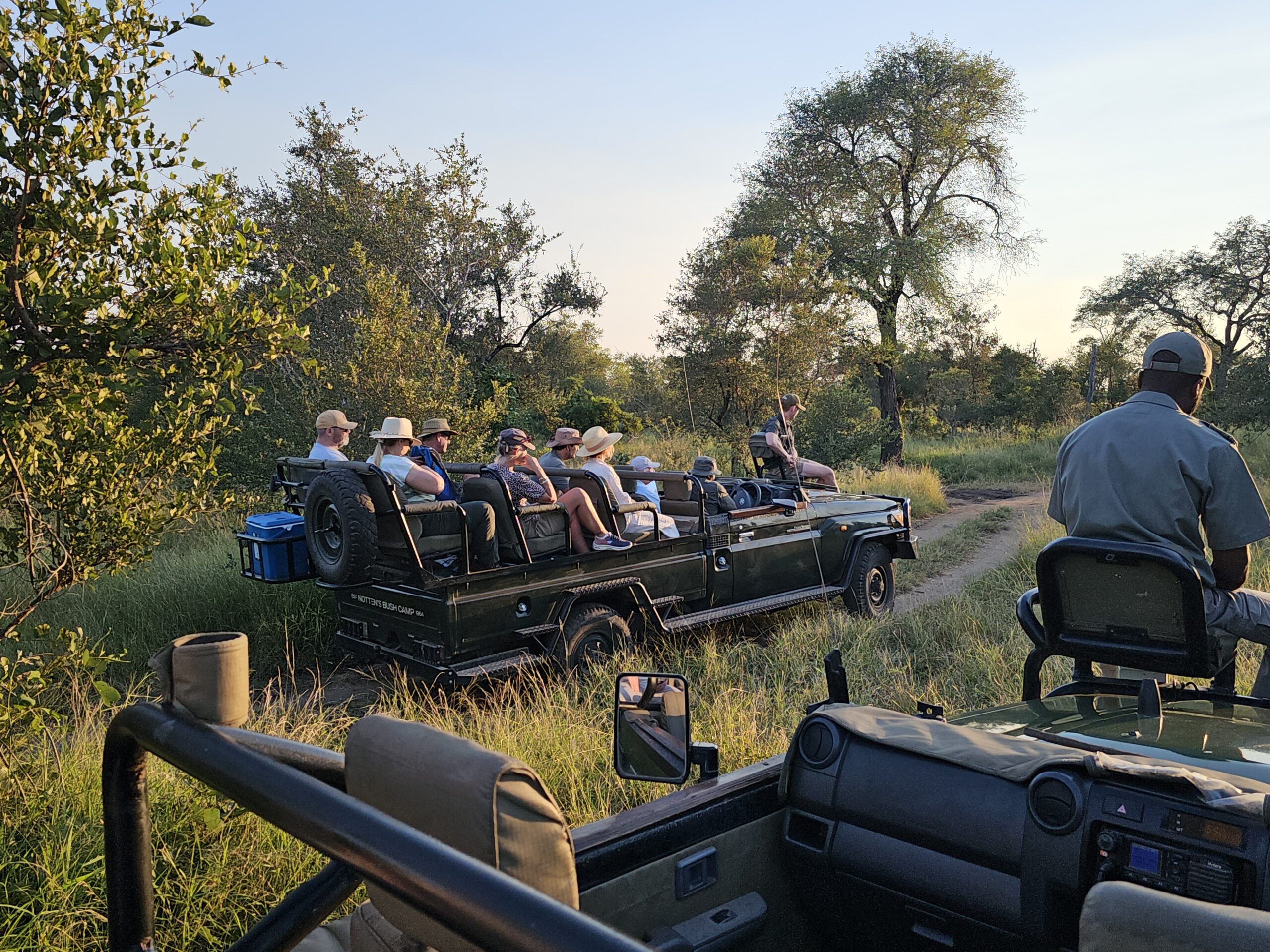
A private reserve (or private concession, conservancy, or private game reserve) is managed by a private owner, a community partnership, or a leaseholder. In many cases, these private game reserves offer an exclusive twist with low vehicle density and a more intimate focus on wildlife. Entry is usually limited to overnight guests, and game drives—carefully orchestrated guided game drives—are typically provided to maximize the viewing experience. The rules in each setting are designed around low vehicle density, which can change how close you get and how long you can watch behavior. In national parks, government protection and conservation efforts dominate, ensuring diverse natural habitats that are accessible to many. While a private reserve offers off-road driving, a traditional safari Kruger National Park tours experience allows you to explore the vastness of a world-renowned conservation area. If you are looking for a classic African safari Kruger National Park feel, the public sections of the park provide an authentic, ‘self-drive’ atmosphere that many purists love.
One sentence summary: national parks are built for public access at scale, while private reserves and private game reserves are designed for a curated safari experience with lower vehicle density and more flexibility.
Side-by-side comparison at a glance
| Feature | Private reserve / concession | National park |
|---|---|---|
| Access | Usually limited to lodge guests | Open to the public (self-drive often possible) |
| Vehicle rules | Off-road driving often permitted with guides | Stay on designated roads and tracks |
| Night drives | Common (guided, after sunset) | Rare or restricted due to gate hours and rules |
| Crowds | Fewer vehicles at sightings | Can be busy at popular areas |
| Pricing | Often packaged (meals, drives, fees) | Pay-as-you-go options (fees, lodging, activities) |
| Accommodation | Boutique, luxury lodges, and camps | Wide range from camping to lodges |
| Best for | Honeymoons, photographers, high-touch service | Independence, diverse landscapes, budget control |
Wildlife viewing: freedom of movement vs the “roads-only” rule
In many private game reserves, guides can leave the main tracks when conditions allow. That matters most for animal behavior and wildlife viewing opportunities, especially if you’re hoping to follow a moving leopard through thick vegetation or stay with a sighting as it develops. This approach, combined with expertly managed game drives, can be particularly valuable for photography, where angles and distance often define the outcome.
In national parks like the Greater Kruger, the road network is part of the conservation design, making it a great addition to a 4-day Kruger safari. It protects sensitive habitat and limits disturbance while supporting both guided and self-drive travel. The tradeoff is simple: you may see the same animals, yet the viewing angle can be less flexible. If a lion is fifty yards off the road in long grass, you might be watching ears flick instead of faces.
After a paragraph like this, it helps to think in practical outcomes:
- Short grass verges and open pans that invite longer viewing sessions
- Dense thickets where off-road positioning can capture more intimate moments
- Riverine roads that produce repeat sightings, especially in dry months
Crowds and pace: how “exclusive” changes the feel of a game drive
National parks can feel wonderfully social, especially in famous places where everyone is scanning, sharing tips at pullouts, and celebrating a big sighting together. They can also feel busy at peak season around waterholes and predator territories, which can affect how long you can comfortably stay at a sighting.
Private reserves, including other private concessions, generally cap the number of beds and vehicles. Many enforce rules on how many vehicles may be at a sighting and how long each may stay. The result is a quieter, less hurried experience where your guide can pause, interpret behavior, and let the moment unfold without pressure from a line of cars behind you.
- National parks often create a “shared discovery” atmosphere at sightings.
- Private reserves and private game reserves more often deliver “uninterrupted time” with a sighting.
Activities and rules: what you can do beyond daytime drives
National parks usually operate with fixed gate times, and driving after dark is commonly restricted. That does not make them less exciting; it simply concentrates wildlife viewing into daylight hours, with the added structure that everyone must be back in camp before closing.
Private reserves often extend your day in ways that can feel like a completely different safari. They offer:
- Night drives: Spotting nocturnal animals, hunting behavior, and night sounds with a guide and spotlight
- Guided bush walks: Insights into tracks, insects, plants, and a ground-level sense of the ecosystem
- Flexible timing: Staying with a sighting longer or returning later if conditions are ideal
These options are a major reason first-timers sometimes choose a private reserve or other private game reserves for a shorter, high-impact safari, then add a national park for scale and variety.
Costs: why private reserves look higher priced (and when they are good value)
Private reserve safaris often appear more expensive at first glance because they are commonly sold as inclusive packages. Your nightly rate may cover accommodation (sometimes in luxury lodges), meals, drinks (sometimes), conservation fees, and guided activities in open 4×4 safari vehicles. You are paying for higher staffing ratios, tracking skills, and controlled access as much as for the bed you sleep in.
National parks, on the other hand, usually give you more ways to control spend. You can self-drive, choose simpler lodging, camp, cook for yourself, and book guided drives only when you want them. For families or longer trips around Greater Kruger, this flexibility can be a real advantage.
A helpful way to compare is to separate “price” from “out-of-pocket surprises.” In a private reserve, many costs are bundled. In a national park, your total is made up of parts: entry fees, vehicle costs, fuel, lodging, meals, and activities.
- Private reserves often simplify budgeting because key items are packaged.
- National parks often reduce baseline cost but require more planning discipline.
Accommodation and atmosphere: camp life vs lodge life
Kruger Accommodation ranges widely. You might stay in a functional rest camp with a shop and restaurant, or in a classic lodge inside the park boundaries. The atmosphere can feel lively, with families, road-trippers, and photographers sharing sightings over dinner.
Private reserve lodges tend to be smaller and more design-led—with many offering the feel of luxury lodges—providing high-touch hosting and a quieter setting at night. These lodges are geared toward travelers who prefer a more seamless schedule, more guidance, and a more intimate experience overall.
- National parks often feel communal and self-directed.
- Private reserves and private game reserves often feel hosted and highly guided.
Access and logistics: self-drive freedom vs curated transfers
National parks are usually straightforward to enter. They often have multiple gates, clear signage, and paved or well-graded roads. This supports self-drive travel and makes them appealing for independent visitors who want to build their own route.
Private reserves may feel more remote, with access often via arranged road transfers or light aircraft into a lodge airstrip. The upside is comfort, speed, and a seamlessly organized itinerary, which many travelers value—especially on shorter trips where time is limited.
- National parks generally reward independence and route flexibility.
- Private reserves and private game reserves generally reward travelers who want logistics handled end-to-end.
Conservation and community impact: two models, one shared goal
Both national parks and private reserves protect habitat and wildlife, but their funding and management structures differ. National parks often rely on government budgets plus park fees and protect very large landscapes, which is essential for ecosystem health, migration corridors, and genetic diversity.
Private reserves typically depend heavily on tourism revenue to fund anti-poaching teams, habitat management, and local employment. In many private game reserves, every guest contributes directly to these conservation efforts. Neither model is automatically “better.” What matters is the quality of management, ethical practices, and whether tourism is supporting conservation outcomes and local livelihoods in a meaningful way.
- National parks often maximize landscape-scale protection.
- Private reserves, along with carefully managed private game reserves, often maximize per-guest funding density for conservation and staffing.
Which one should you choose?
Your best choice depends on what you want your days to feel like. Many travelers choose to mix both experiences, combining a high-impact private reserve stay with the expansive variety of a national park.
Here is a simple match-making guide:
- Private reserve: Ideal if you value exclusivity, guided expertise, photography time, and low vehicle density—attributes common among top private game reserves.
- National park: Perfect if you want self-drive freedom, diverse landscapes, and more budget control.
- Combination: A strong balance of intimate guiding plus vast public wilderness.
A decision framework you can use in five minutes
Ask yourself these questions, then score each answer toward “private reserve,” “national park,” or “both.”
- How important is off-road tracking to you?
- What pace feels relaxing?
- How do you want to spend evenings?
- Who is traveling?
- What is your tolerance for planning details?
If you are unsure, share your answers with your safari planner. A good operator will translate preferences into the right mix of private concessions, private game reserves, itinerary pacing, and activities that fit your travel style.
Smart ways to combine both on one itinerary
Pairing a private reserve with a national park is a classic way to get the best of both worlds, especially if this is your first safari in the Greater Kruger area. A common approach in Southern Africa is to start with a private reserve for a focused, guide-led wildlife experience—including expertly managed game drives—and then continue into a major park for vast landscapes and self-drive adventure. In East Africa, travelers often pair a national park core with nearby conservancies that allow flexible rules and lower vehicle density.
Mixing styles can also help with budgeting. You can put your splurge nights where they matter most for guiding and exclusivity, then balance the trip with comfortable park-based stays that still deliver excellent sightings.
- Use private reserve nights, often in private game reserves, for peak “tracking and photography” time.
- Use national park nights for scale, variety, and flexible spend.
By weighing factors like viewing rules, crowd levels, activities, budget structure, and conservation models, you can craft an itinerary that matches your safari goals and values.
Personal Preferences and Safari Goals
- Prioritize what you care about most (photography, solitude, flexibility, cost control, or independence).
- Choose the setting that consistently supports those priorities, not just the one that sounds most “exclusive.”