
A six-day Kenya safari can do more than put you in front of the Great Migration. When planned well, it can pair the drama of the Masai Mara with a second park that gives the trip a very different feel, different wildlife moments, and a wider sense of Kenya’s landscapes.
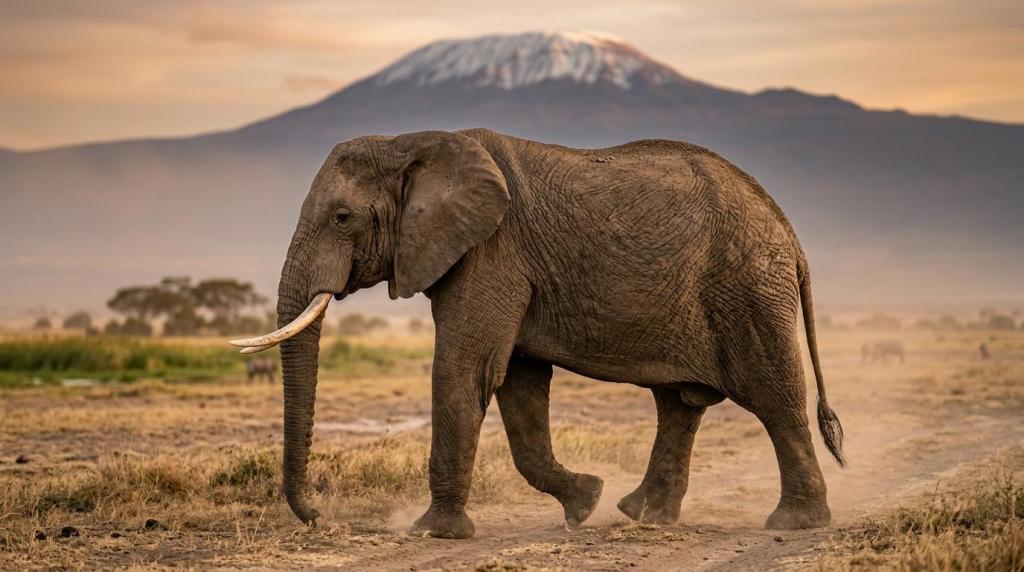
That is what makes this type of itinerary so appealing from July through September. Travelers come for the wildebeest herds, predator action, and the chance of seeing Mara River crossings, but they also get time in Amboseli National Park, where elephant sightings and Mount Kilimanjaro views add another layer to the experience. For many visitors, that combination creates a stronger trip than a Mara-only stay.
Why this 6-day Masai Mara safari package offers more than one highlight
Africa Moja Tours publishes a 6-day Masai Mara and Amboseli safari that combines two of Kenya’s best-known parks in one itinerary. That matters because the trip is not built around only one wildlife event. It is timed to suit travelers who want the Great Migration window in the Mara, while also adding Amboseli’s open plains, large elephant herds, and classic East African scenery.
For travelers planning around the migration, July to September is a smart target. The herds are typically in the Masai Mara from July to October, with river crossings often most active in August and September. July can already be very rewarding, especially for those who want strong wildlife viewing with slightly more flexibility in travel dates.
The package is also positioned in a practical way. It is listed at $3,650 per person sharing, with departures available year-round on any date. That means you do not need to wait for a fixed group departure if your main goal is to line up your trip with school breaks, honeymoon dates, or a photographer’s preferred month.
Here is a quick snapshot of the confirmed package details:
| Package feature | What to know |
|---|---|
| Duration | 6 days |
| Parks included | Masai Mara National Reserve and Amboseli National Park |
| Best migration window | July to October |
| Peak crossing period | Often August and September |
| Starting price | $3,650 per person sharing |
| Departure pattern | Available on any date year-round |
| Typical inclusions | Accommodation, guided game drives, park fees, meals as specified, professional English-speaking driver-guide |
Best time for a Masai Mara Great Migration safari from July to September
The Great Migration is a moving natural event, not a scheduled performance. Rainfall, grass conditions, and water sources all affect how long the herds stay in one area and when they move. That is why no ethical safari operator should promise a river crossing on a particular day.
Still, there are clear seasonal patterns that help travelers choose well. Kenya tour information for this package places the strongest Masai Mara migration period between July and October. July often marks the start of the most exciting dry-season phase in the Mara, while August and September are widely seen as the core months for Mara River activity.
If your schedule allows only one month, this general guide is useful:
- July: Strong chance of large herd numbers arriving in the ecosystem, with excellent game viewing in the dry season.
- August: One of the top months for migration drama, including frequent river crossing attempts.
- September: Still peak season in many years, often with very good predator sightings and strong crossing potential.
- Early October: Worth considering if you want the migration window but need slightly different travel dates.
A good way to think about timing is this: July gives you a strong seasonal start, August and September often bring the most famous migration scenes, and all three months can be excellent for photographers, first-time safari guests, and returning Kenya travelers.
What to expect in Masai Mara National Reserve during the migration
The Masai Mara is one of Africa’s most famous wildlife areas for good reason. During migration season, the landscape fills with wildebeest, zebra, gazelle, and the predators that follow them. Lions, cheetahs, hyenas, crocodiles, and vultures all become part of the daily rhythm of the reserve.
On a well-planned game drive, you are not only looking for a crossing. You are watching for the build-up to one. That may mean herds gathering at a riverbank, shifting direction, backing away, then suddenly surging forward. It can also mean quiet moments across the plains, with thousands of animals spread across the horizon and big cats resting nearby.
The tour details for this package note a picnic lunch at the Mara River on Day 2, where Great Wildebeest Migration crossings take place from July to October. That is a major plus, because time near the river improves your chances of seeing crossing behavior, even if the exact moment remains unpredictable.
Kenya Wildlife Service also notes that the Masai Mara National Reserve is served by the Mara, Sand, and Talek rivers. These waterways help shape wildlife movement and camp locations, and they are part of what makes the reserve so dynamic during the dry season.
A successful Mara safari is not only about ticking off the “crossing” photo. It is about spending enough quality time in the reserve with an experienced guide who can read tracks, listen to radio calls, watch herd behavior, and adjust the day as wildlife activity changes.
Why Amboseli National Park makes this Kenya safari package stronger
Amboseli changes the pace of the trip in the best way. After the high drama of the Mara, the park offers a different style of safari, with broad open views, marshes, acacia woodland, and some of East Africa’s most famous elephant scenes.
This contrast is one of the smartest parts of the itinerary. The Mara gives you migration energy, predator tension, and dense wildlife concentrations. Amboseli gives you space, atmosphere, and a strong chance of seeing elephants in family groups with Mount Kilimanjaro in the background when skies are clear.
The package description highlights Amboseli as a park known for large herds of elephants and Kilimanjaro photo opportunities. That means the trip is not trying to stretch one idea across six days. It gives travelers two distinct safari experiences in one booking.
The parks complement each other well:
- Masai Mara: Great Migration action, big cats, river systems, classic dry-season wildlife density.
- Amboseli: Elephant herds, open landscapes, mountain views, a very different visual mood.
- Combined itinerary: A richer first Kenya safari and a better balance of wildlife moments across the six days.
For couples, families, and small groups, this mix can be especially rewarding. If the Mara gives you intense, high-energy game viewing, Amboseli gives you those slower, memorable safari scenes that often become favorite photos after the trip.
Conservation value in the Masai Mara ecosystem matters to travelers
Many safari guests want more than good sightings. They also want to know that the places they visit have real ecological value and ongoing conservation attention. The Masai Mara stands out here as well.
Kenya Wildlife Service has stated that wildebeest migration corridors in the Maasai Mara ecosystem have been scientifically verified using more than two decades of GPS collar data collected between 1999 and 2022. The dataset includes tracking from over 60 collared migratory wildebeest. That long-term monitoring helps support planning around wildlife corridors and seasonal movement.
This matters because the Great Migration depends on space. Herds need functioning movement routes between grazing areas, dry-season refuge zones, and river systems. When travelers choose protected landscapes with active monitoring and corridor planning, they are supporting destinations with long-term conservation importance, not only short-term tourism value.
KWS corridor reporting has also linked wildebeest and zebra use of the Mara to the dry season from July to October. That lines up with why this safari package is especially appealing for travelers targeting migration season. The same seasonal pattern that makes the Mara thrilling for visitors is also part of a larger ecological cycle tied to rainfall and habitat use.
A migration safari feels even more meaningful when you know the reserve is part of a living ecosystem shaped by science, conservation work, and long-standing wildlife movement.
Practical planning for a 6-day Masai Mara and Amboseli safari
A six-day trip is short enough to fit into a bigger Africa vacation, but long enough to give each park proper attention. That makes it a strong option for travelers coming from North America, Europe, Australia, the Middle East, or Asia who want a focused Kenya safari without committing to a very long itinerary.
The published Kenya safari information for this package says tours include accommodation, guided game drives, park entrance fees, meals as specified, and a professional English-speaking driver-guide. Tour highlights also mention certified safari guides and budget or mid-range tented accommodations. That gives travelers a clear baseline when comparing value across Kenya itineraries.
Before reserving dates in July, August, or September, it helps to look at a few practical points:
- Travel style
- Room category
- Driving time tolerance
- Photography goals
- Budget per person sharing
- Flexibility on dates
If seeing a Mara River crossing is your main priority, build your planning around patience. Stay open to the full migration experience rather than one moment alone. Herds may cross early in the morning, late in the day, or not at all while you are at the riverbank. Great guides help by reading conditions and keeping the broader wildlife picture in view.
If your main goal is a balanced safari, this two-park format is very appealing. Even if the migration gives you quieter moments on one day, Amboseli still adds major value through elephants, landscapes, and iconic Kenya scenery.
Who this Kenya migration safari package suits best
This kind of itinerary works well for several traveler types because it combines a seasonal wildlife event with a second park that remains rewarding on its own.
It is especially well suited to:
- Couples and honeymooners
- First-time Kenya safari travelers
- Wildlife photographers
- Families with older children
- Small private groups
- Travelers adding Kenya to a wider East Africa trip
It also suits guests who want a safari with clear structure and published pricing. A starting rate of $3,650 per person sharing gives a useful planning point, and year-round departures mean the trip can be matched to flight schedules and personal travel calendars.
Questions to ask before booking July to September safari dates
A few smart questions can help you choose the right departure date and trip style. Ask whether your travel priority is herd density, predator action, river crossing potential, elephant photography, or a balanced first safari. Those answers shape whether you should lean toward July, August, or September.
You should also ask how much time will be spent inside each park, what accommodation level is best for your budget, and whether a private safari or shared arrangement fits your travel style better. These details often matter just as much as the headline destination name.
If your dream trip is built around the Great Migration but you also want Kenya’s classic elephant-and-Kilimanjaro scenes, this six-day Masai Mara and Amboseli format is a strong match. It brings together one of Africa’s great wildlife spectacles and one of Kenya’s most photogenic parks in a practical, bookable itinerary with flexible departures.
