
Understanding Local Laws
Health and Vaccination Requirements
Crime Prevention Tips
Avoiding Petty Theft
Carjacking and Road Safety
Safe Transportation Options
Using Taxis and Ride-Sharing Services
Navigating Public Transport
Accommodation Safety Measures
Choosing Secure Accommodations
Hotel Room Safety Tips
Safe Dining and Drinking Practices
Avoiding Foodborne Illnesses
Drinking Water Safety
Outdoor Adventure Precautions
Wildlife Safety Guidelines
Staying Safe in National Parks
Emergency Contact Information
South Africa is a memorable vacation destination for U.S. travelers, with city breaks in Johannesburg, vibrant experiences in Cape Town, wine country, coastline, safari regions, and road trips along the garden route all in one country. The practical side is not difficult, but it does feel different from a trip to Europe or the Caribbean, especially when it comes to money, mobile service, power sockets, security, and personal safety habits due to concerns about crime and terrorism.
A little preparation and reading up on South Africa travel tips for Americans, particularly in light of recent demonstrations, goes a long way. If you arrive in South Africa, particularly in Cape Town, knowing how to pay, how to get connected, what adapter to pack, and how to move around with confidence, your first few days feel much easier.
Entry Requirements for Americans Visiting South Africa
For many American travelers visiting South Africa, the first good surprise is that a visa is generally not required for short tourist visits. Current U.S. government guidance says U.S. citizens do not need a visa for stays of less than 90 days, though travelers should always check the latest rules before departure in case anything changes.
Passport rules matter just as much as the visa question. South Africa expects your passport to be valid for at least 30 days after your planned departure date, and it should have two consecutive blank visa pages per entry. That second point catches some people off guard, especially frequent travelers with crowded passports.
Before your flight, make sure these basics are covered:
- Visa-free stay: U.S. tourist visits to South Africa are generally allowed for up to 90 days without a visa
- Passport validity: Your passport should be valid for at least 30 days after you leave South Africa
- Blank pages: You need two consecutive empty visa pages per entry
- Pre-trip check: Review current entry, exit, and health requirements close to departure
South Africa Currency and Payment Tips
If you’re planning a visit to Johannesburg, considering Johannesburg tour packages, Cape Town, exploring the Garden Route, embarking on a 3-day Kruger safari from Cape Town, going on an affordable Kruger safari, a 3-day Masai Mara safari, or a 3-day safari in Kruger National Park, or ticking off your adventure bucket list Africa, it’s good to know that South Africa uses the rand, written as ZAR or simply R. The South African Reserve Bank says the banknotes in circulation are R10, R20, R50, R100, and R200. If you see older South African banknotes or coins, that is not automatically a problem. Official guidance says all banknotes and coins issued since 1961 remain legal tender.
For most U.S. visitors, the easiest approach is to use a mix of cards and a modest amount of cash. Cards are useful for hotels, restaurants, and many tourism services in South Africa, including booking safaris, while rand cash helps with smaller purchases and situations where tipping in cash is easier. It is smart to avoid carrying large amounts of money to reduce the risk of crime, including potential security threats like kidnapping.
Exchange rates move, so it helps to think in rough rather than exact conversions. Instead of mentally converting every small purchase into dollars, decide on a daily cash amount in rand and top up only when needed. That makes spending feel simpler and can help with safety too.
| Travel money topic | What U.S. visitors should know |
|---|---|
| Local currency | South Africa uses the rand |
| Notes in circulation | R10, R20, R50, R100, R200 |
| Older notes and coins | SARB-issued currency since 1961 remains legal tender |
| Best payment approach | Use cards for larger purchases, keep some rand cash for small expenses and tips |
| Cash handling | Carry only what you need for the day |
If you withdraw cash in South Africa, do it in well-lit, busy areas such as airports, shopping centers, or bank locations, and put money away before stepping back outside.
SIM Cards, eSIM Planning, and Staying Connected
Mobile service is usually one of the first things Americans want to sort out after landing. Official South African government information says SIM cards are widely available, but they must be legally registered at the point of purchase. In practice, that means you should expect to show identification, typically your passport, when buying a local SIM.
That registration step is worth planning for, especially if you’re arriving in Cape Town where airport and city options might differ. If you want a physical SIM after arrival, keep your passport easily accessible and allow a few extra minutes for setup. Airport kiosks can be convenient, though some travelers prefer to compare options in a shopping mall or city store once they have settled in.
If your phone supports eSIM, it can be a very convenient backup or primary setup. The key step is to arrange it before departure and confirm that your device is unlocked and compatible. Even if you plan to use an eSIM, it is still wise to save hotel directions, tour confirmations, and transfer details offline before your flight.
One small habit helps more than people expect: turn on Wi-Fi calling and download offline maps for your first city in South Africa, whether that is Cape Town, Johannesburg, or another arrival point.
South Africa Plug Adapters and Voltage for U.S. Devices
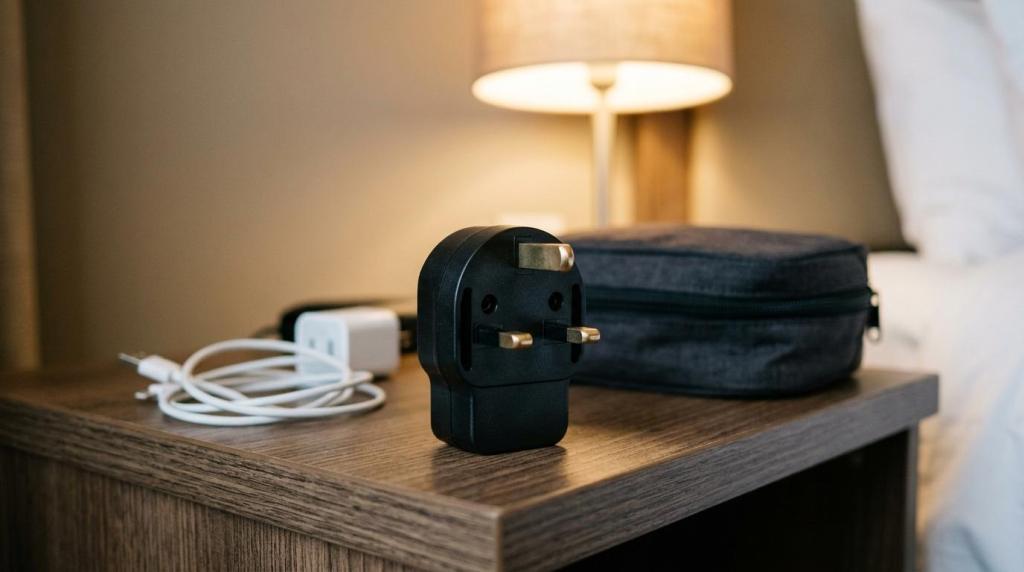
South Africa uses 220V AC at 50Hz, and official government information describes the sockets as rounded and three-pronged. Most Americans will need a plug adapter.
The adapter is only half the issue. You also need to check voltage compatibility. Many modern chargers for phones, laptops, cameras, and tablets are dual voltage and can handle 100 to 240V automatically, which is especially important when you’re busy capturing memories of your safari adventure. Hair dryers, curling irons, and some grooming tools often are not. If a device is not dual voltage, a simple plug adapter is not enough and plugging it in can damage it.
A quick check before packing can save money and frustration, and help avoid falling victim to crime when traveling in South Africa, especially if you’re planning to explore the Garden Route, with valuable electronics. Look at the fine print on the charger or device. If it says “100-240V,” you are usually fine with the correct adapter. If it says only “110V” or “120V,” leave it at home or bring a proper converter.
Tipping Norms in South Africa
Tipping in South Africa is common, and many U.S. visitors find it comfortably familiar once they know the rough ranges. Official South African tourism guidance says tipping waitrons between 10% and 20% of the total bill is acceptable in restaurants. That is a wider range than many travelers expect, so the exact amount often depends on the setting and service level.
It is also useful to read the bill before adding anything. In South Africa, when a table has more than six guests, a 10% service charge may already be included. If you do not check, it is easy to tip twice.
Outside restaurants in South Africa, small cash tips still matter in day-to-day travel. Car guards in parking areas may be tipped, and official guidance describes R1 to R5 as acceptable. For guided tours, drivers, safari staff, and hotel porters, practices can vary by region and property, so it is perfectly reasonable to ask your lodge, hotel, or operator what is customary.
A simple tipping guide looks like this:
- Restaurants: 10% to 20% of the bill is generally acceptable
- Large groups: A 10% service charge may already appear for tables of more than six
- Car guards: R1 to R5 is commonly accepted
- Tours and safaris: Ask locally, since norms vary by service type and property
Keeping smaller rand notes on hand makes tipping much easier than relying on card slips every time, especially when traveling along the garden route.
Safety Tips for Americans in South Africa
This is the area where honest, practical advice matters most. U.S. government guidance says travelers should exercise increased caution in South Africa, including cities like Cape Town, due to crime, terrorism, security, and risks such as kidnapping. That does not mean visitors should avoid the country. It does mean everyday awareness matters more here than in some other destinations.
The most helpful mindset is simple: enjoy the trip, but do not move casually in unfamiliar places, especially during demonstrations, to avoid crime. Avoid walking alone in Johannesburg, Cape Town, or other cities in South Africa after dark, keep expensive jewelry and high-end electronics out of sight, and do not leave bags or phones visible in a parked car. If you need directions or help, ask inside a hotel, restaurant, airport information point, or reputable business rather than on the street.
In South Africa, road safety deserves its own mention. Nighttime driving can be risky, especially on unfamiliar routes or long intercity stretches. If you are self-driving, aim to arrive at your next stop before dark. In cities like Cape Town, use well-known transport options to avoid crime and ensure security, pre-booked transfers, or ride services that let you verify the driver and route in the app.
These habits make a real difference:
- use arranged transfers after dark
- avoid demonstrations and protest areas, as these events can sometimes lead to crime
- keep phones and wallets out of sight when not in use
- stay in well-reviewed neighborhoods in South Africa
- lock vehicle doors while driving
- skip isolated ATM locations
It is also wise to avoid visiting informal settlements independently. If a township visit, like a 4-day Kruger safari from Johannesburg or a Kruger 2 day safari, is part of your plans, book it through a trusted operator or certified guide.
Customs Rules, Cash Declarations, and Airport Arrival Basics
South Africa takes customs declarations seriously. Official SARS guidance says travelers entering or leaving the country must declare goods, including cash or currency, in their possession. If you are carrying items that fall under prohibited, restricted, trade, or excess duty-free categories, valuable goods that need temporary import or export registration, or participate in any sort of demonstrations, you should use the red channel on arrival.
That rule matters for more than shopping. It can also affect travelers carrying high-value camera gear, professional equipment, or larger amounts of currency. If you are unsure, checking the latest customs guidance before your flight is the safest move. South Africa also has a Customs Online Traveller Declaration system that can help streamline the process.
Arriving prepared can make the airport experience much smoother, especially after a long-haul flight.
Official Visitor Support and Certified Tourist Guides in South Africa
If you want help on the ground, South Africa, including cities like Cape Town, has solid official visitor support to help prevent issues like kidnapping. Government tourism information says airport Visitor Information Centres can assist travelers, and the country has more than 10,000 certified tourist guides. Those guides can be identified by a unique badge and identification card.
That matters because local guidance in South Africa is one of the easiest ways to make a trip safer and more relaxed. A certified guide can help with timing, route choices such as the scenic Garden Route, language support, cultural context, and simple practical issues that are easy to miss when you are newly arrived.
For transfers, safaris, including a 5-day Kruger safari from Johannesburg, or multi-stop trips like the famous Garden Route, many travelers also prefer using a licensed local operator so transportation, check-in timing, and regional logistics are handled in advance.
A Smart First 24 Hours Plan for U.S. Visitors
The easiest way to settle into South Africa is to make a few good decisions right away rather than trying to figure everything out on the move.
A calm arrival in Johannesburg, South Africa, usually looks more like setup than sightseeing, especially after an overnight flight. Sort out cash, connectivity, transport, and your next day’s timing first. The fun parts of the trip feel better once those basics are done.
A practical arrival checklist:
- Withdraw or exchange a small amount of rand for tips and minor purchases.
- Activate your eSIM or buy a local SIM and complete the registration step.
- Test your plug adapter and charge your phone, camera, and power bank.
- Confirm your next transfer, hotel address, and offline maps.
- Plan to reach your accommodation before dark whenever possible.
With those pieces in place, South Africa feels much more straightforward, and you can focus on the reason you came: wildlife, landscapes, food, culture, a safari adventure, and a trip that rewards people who prepare well.
Understanding South African Safety Regulations
Navigating South Africa’s Urban Areas
Protecting Your Valuables
Staying Connected While Abroad
Health Precautions for Travelers
Transportation Safety Tips
Driving in South Africa
Renting a Vehicle
Road Conditions to Expect
Public Transportation Safety
Using Taxis Safely
Bus and Train Travel
Areas to Avoid
Staying Safe Outdoors
Wildlife Safety Tips
Beach Safety Measures
Cultural Sensitivity and Awareness
Avoiding Scams and Fraud
Emergency Contacts and Resources
South Africa Travel Tips for Americans in Rural Areas
What are visa requirements?
What are visa requirements?
When planning a trip to South Africa, U.S. citizens can often enjoy the convenience of not needing a visa for tourist visits of up to 90 days. It’s always a good practice to verify the latest entry requirements before traveling.
Along with the visa allowance, travelers should ensure their passport has at least 30 days of validity beyond their intended departure from South Africa. Additionally, Americans need two consecutive blank pages in their passport for entry and exit stamps, which can sometimes catch frequent travelers off guard.
Before embarking on your journey, it’s wise to review any health-related requirements. Check for necessary vaccinations and ensure compliance with South Africa’s health regulations to maintain smooth entry and a healthy stay.
By understanding these basic entry requirements and preparing accordingly, U.S. travelers can focus more on enjoying the incredible landscapes, wildlife, and cultural richness that South Africa has to offer. Keeping informed about current travel advisories or updates will also enhance your readiness for a seamless experience.
Is it safe for solo travelers?
Traveling solo in South Africa can be a rewarding experience, offering the chance to discover the country’s rich culture and stunning landscapes at your own pace.
For solo travelers, it is important to stay vigilant and exercise good judgment, particularly in unfamiliar areas. Remaining aware of your surroundings, keeping valuables secure, and planning your itinerary in advance can significantly enhance your safety. Consider staying in well-reviewed accommodations and using reputable transportation options to ensure a smoother experience.
Additionally, connecting with local guides or joining group tours can provide an added layer of security and social interaction. This not only helps in navigating the country safely but also enriches your understanding of its cultural nuances, enhancing your travel experience.
In conclusion, solo travelers visiting South Africa can enjoy a memorable journey by taking practical safety precautions. Embracing local customs and staying informed about current events will also help you navigate and appreciate the vibrant diversity South Africa has to offer. Remember, preparation and awareness are key to enjoying a safe and fulfilling solo travel adventure.
Recommended vaccinations?
Before traveling to South Africa, it’s advisable for U.S. travelers to ensure their vaccinations are up to date. Standard immunizations such as measles, mumps, and rubella (MMR), tetanus, and influenza are generally recommended.
In addition, the CDC usually advises a hepatitis A vaccine as food and water can potentially carry the virus.
For those planning wildlife or outdoor adventures, considering a rabies vaccination could be wise.
Travelers heading to certain areas, particularly rural or wildlife zones, might consider vaccinations for hepatitis B and typhoid.
Malaria is present in some regions, notably around game parks. It’s essential to discuss prophylactic medication with a healthcare provider.
Ultimately, the best way to ensure one’s health is through preparation. Checking current health advisories will help create a safe travel experience.
Best time to visit?
South Africa can be visited year-round.
However, many travelers find that visiting during the country’s spring, from September to November, is particularly pleasant. During this time, the weather is mild, making it ideal for outdoor adventures such as safaris, hiking, and exploring the vibrant cities of Cape Town and Johannesburg. Additionally, some of the country’s beautiful flowers and landscapes are in full bloom, offering excellent photographic opportunities for nature lovers.
For beach enthusiasts, spending time along the coastline in summer is delightful.
Winter months hold their charm, especially in the national parks, where wildlife viewing is at its best. With sparse vegetation and animals congregating around water sources during winter, from June to August, safari-goers often enjoy incredible sightings. It’s important to plan your trip around these seasonal elements to take full advantage of what South Africa has to offer. Keep in mind that personal preferences and specific interests should guide your timing for the best possible experience.
Currency exchange tips?
When traveling to South Africa, understanding a few key currency exchange tips can enhance your financial safety and provide peace of mind. The South African rand is the official currency, and recognizing banknotes in denominations such as R10, R20, R50, R100, and R200 will help in easy transactions.
It’s often most efficient to exchange a small amount of dollars for rand before departure. This allows for immediate expenses like transportation and tips upon arrival. While in the country, using ATMs in well-lit, busy places is advised for added security.
Many tourists find that using credit or debit cards for larger purchases, such as hotel accommodations or tours, is both convenient and secure, while keeping some cash on hand for smaller transactions.
Ensuring that your credit card provider is notified of your travel to avoid any blocks or alerts is also a smart step. Your financial preparations can help ensure your South Africa adventure is seamless and enjoyable.
Lastly, be aware of fluctuating exchange rates. This awareness will help you maximize your budget and stay within your travel expenses, while enjoying South Africa’s wonders responsibly.
How to stay safe in South Africa?
When visiting South Africa, exercising extra caution is essential to ensure a safe and enjoyable experience. While this vibrant nation boasts breathtaking landscapes and rich cultural diversity, being aware of local conditions and safety protocols is key to a rewarding visit.
First and foremost, awareness of your surroundings cannot be overstated. In cities such as Cape Town and Johannesburg, it’s advisable to keep your belongings secure and stay in well-lit, populated areas, especially at night. Avoid displaying expensive jewelry or electronics that may attract unwanted attention.
Utilizing reputable transportation options can further enhance your safety. Pre-booked transfers, trusted taxi services, and licensed tour operators provide a reliable way to navigate the country. Consider arranging accommodations in well-reviewed neighborhoods, which often offer better security features and a more comfortable stay.
Finally, engaging with local tourism support can be invaluable. Certified guides and reputable agencies not only provide insight into cultural nuances but also assist with itinerary planning to avoid less secure areas. Keeping emergency contacts handy and staying updated on local advisories via official sources ensures a secure and enriching travel experience.
Currency used in South Africa?
South Africa uses the rand as its official currency, denoted by the symbols ZAR or simply R. The South African rand is available in several denominations, including banknotes of R10, R20, R50, R100, and R200, giving travelers flexibility in their transactions.
Since 1961, all banknotes and coins issued by the South African Reserve Bank have remained legal tender, meaning you may encounter older currency in circulation without concern.
For U.S. travelers, a mix of cash and card is advisable. Cards are widely accepted for larger transactions like hotels and restaurant bills, while cash is ideal for smaller purchases or local tips.
It’s recommended to carry only what you need daily and to use ATMs in safe, well-lit areas for withdrawals to minimize risks of theft.
Currency exchange can be managed before leaving the United States or upon arrival in South Africa at various exchange bureaus or compliant ATMs. Keeping track of current exchange rates helps in planning and budgeting effectively while traveling.
Overall, understanding the local currency promotes a more seamless and secure experience, making it easier to enjoy all the wonders the country offers. Preparing financially will allow visitors to focus on their adventure without monetary concerns.
Local customs to be aware of?
Understanding the cultural etiquette in South Africa can greatly enhance your travel experience. Greeting customs vary, but a friendly, firm handshake followed by eye contact is generally a good approach. Practicing patience is vital, as conversations often begin with polite small talk before discussing business or requests.
Respect for elder individuals is a significant aspect across many communities, and it’s considered courteous to greet the eldest person first. Visitors are encouraged to learn a few local phrases or greetings. This gesture shows respect for the culture and often fosters goodwill.
South Africa is a wonderfully diverse country, with 11 official languages and a rich mix of ethnic groups. Taboo topics might include politics and controversial historical events; therefore, it is advisable to engage in discussions with sensitivity and open-mindedness. Visitors can enjoy the warm hospitality South Africans are known for, but it’s important to reciprocate with respect for local norms and traditions, ensuring everyone has a pleasant encounter.
When visit Table Mountain?
Table Mountain, one of South Africa’s most iconic landmarks, is best visited during the spring months, from September to November. During this period, the weather is mild, providing ideal conditions for exploring its breathtaking views and hiking trails.
Springtime ensures that the visibility from the mountain is typically clearer, enriching your panoramic experience above Cape Town. These conditions allow you to fully appreciate the natural beauty and diverse flora found at the mountain’s summit.
Early mornings are recommended for visiting to avoid crowds and catch a spectacular sunrise. Witnessing the first light over Cape Town and the Atlantic Ocean can be a truly memorable start to your day.
Another excellent time to visit is in the late afternoon, where you can enjoy the sunset reflecting over the horizon. It’s a magical time to experience the mountain as daylight fades into twilight.
Regardless of the time of year, always check the weather conditions before your visit. Table Mountain’s cableway operations can be affected by strong winds or unfavorable weather conditions, prompting temporary closures.
In any season, Table Mountain offers a unique perspective of Cape Town’s natural beauty. Ensuring you
In any season, Table Mountain offers a unique perspective of Cape Town’s natural beauty. Ensuring you choose the right time enhances this profound connection with one of nature’s most captivating scenes.
Safety tips in Johannesburg?
When exploring Johannesburg, staying safe is key to enjoying your trip to South Africa’s vibrant economic hub.
Start by ensuring your accommodations are in well-reviewed areas. Sandton and Rosebank are popular with travelers for their security and accessibility to amenities. Always book your stay in reputable hotels or lodges that offer secure facilities.
Be conscious of your belongings, particularly in busy public spaces and marketplaces. Keep valuables like wallets, cameras, and phones concealed and close to your body to deter pickpockets. It’s wise to carry only what you need and leave unnecessary valuables in the hotel safe.
For transportation, using marked taxis or a reliable ride-hailing service is recommended to avoid scams. If renting a car, always keep doors locked and windows up, especially at traffic lights. Parking in well-lit and secure areas adds an extra layer of safety.
Finally, stay informed about local news and avoid protests or crowded demonstrations. Understanding and respecting local customs also enhances your safety and enriches your experience in Johannesburg.
Best time to safari Kruger?
Choosing the perfect time for a safari in Kruger National Park depends on what you want to experience during your visit.
From May to September, the dry winter months, the vegetation is sparse, making it easier to spot wildlife congregating around watering holes. These months are ideal for exceptional animal sightings, including the Big Five, as the cooler temperatures encourage more wildlife activity during the day.
However, visiting from October to April provides a different appeal, as the wet summer season transforms the park into a lush landscape. This period is perfect for birdwatchers, as many migratory species arrive, and it’s also the birthing season for many animals, offering the rare opportunity to see young wildlife.
Ultimately, whether you’re interested in classic game viewing or vibrant birdlife and lush scenery, Kruger offers a unique and fulfilling safari experience year-round. Staying informed and planning your visit according to your priorities will enhance your appreciation of this extraordinary natural haven.
Currency to carry Cape Town?
When visiting Cape Town, having a mix of cash and a credit card is ideal for convenience and security.
It’s beneficial to exchange a small amount of U.S. dollars for South African rand before your trip. This cash can cover initial expenses such as taxi rides and tips upon arrival. Utilizing ATMs located in busy, well-lit areas throughout Cape Town is a secure way to obtain additional cash while in the city.
Credit and debit cards are widely accepted in most restaurants, hotels, and larger establishments, making them a reliable option for significant transactions. However, it’s prudent to have some cash on hand for smaller purchases or when visiting local markets.
Lastly, remember to inform your card provider about your travel plans to prevent any disruptions. With these financial strategies, you can manage your spending efficiently and focus on enjoying all that stunning Cape Town has to offer.
Do Americans need visas?
U.S. citizens planning a trip to South Africa for tourism can enjoy the convenience of entering the country without a visa for stays up to 90 days. This exemption makes traveling to explore South Africa’s rich landscapes and cultural experiences relatively straightforward for American visitors.
However, it is wise to ensure that your passport will remain valid for at least 30 days beyond when you plan to leave South Africa. Additionally, your passport should have at least two consecutive blank pages for both entry and exit stamps.
To avoid potential complications, double-check your passport’s validity and the number of blank pages before departure. These steps are crucial in preparing for a hassle-free entry process into South Africa.
Moreover, it is advisable to remain informed about any travel advisories or changes in entry requirements that might occur close to your travel dates. Ensuring your documents are in order allows you to focus on enjoying your trip.
Overall, adhering to these guidelines and the necessary preparations ensures that your visit to South Africa will be a pleasant and smoothly conducted experience. This readiness provides peace of mind, letting you concentrate on the adventures that await you in this dynamic nation.
How safe is South Africa for Americans?
South Africa is a popular destination for American travelers drawn to its rich culture and stunning landscapes. Safety is a common concern, but with awareness and preparation, trips can be rewarding and trouble-free.
U.S. travelers often find that many areas in South Africa are quite welcoming, thanks to the country’s
U.S. travelers often find that many areas in South Africa are quite welcoming, thanks to the country’s robust infrastructure for tourism. The key is to remain vigilant and informed about local conditions.
Cities like Cape Town and Johannesburg are vibrant but do require thoughtful planning. It’s advisable to stay in regions known for their traveler-friendly environments and avoid isolated areas after dark.
Engaging with local guides or certified tour operators can significantly enhance not only safety but also cultural understanding. These professionals offer invaluable knowledge about timing, transportation, and cultural nuances.
In summary, while South Africa presents certain challenges, it remains an attractive destination. With the right precautions and mindset, American travelers can have an enriching experience.
What are must-see attractions in South Africa?
South Africa is a diverse country teeming with must-see attractions that captivate countless visitors each year. Among its famous natural wonders are the stunning landscapes of Table Mountain, which offers breathtaking views and exhilarating hiking opportunities for adventurous travelers. Sweeping panoramas of Cape Town and the surrounding ocean make this landmark a favorite for photographers and nature lovers alike.
In addition to spectacular sceneries, South Africa boasts a rich historical and cultural tapestry exemplified by the Apartheid Museum in Johannesburg. This impactful museum delivers an essential look into the country’s past, providing visitors with a deep understanding of its struggle for equality and social transformation. The heart-wrenching narratives and historical exhibits offer a profound reflection on South Africa’s journey toward peace and reconciliation.
For wildlife enthusiasts, no trip would be complete without a visit to Kruger National Park. This iconic safari destination is home to the Big Five, providing unforgettable wildlife encounters in one of Africa’s largest game reserves. Visitors can enjoy guided tours or self-drive safaris, immersing themselves in the awe-inspiring experience of observing lions, elephants, rhinos, buffalo, and leopards in their natural habitats.
Another unforgettable experience awaits along the scenic Garden Route, renowned for its lush landscapes, charming coastal towns, and diverse ecosystems. The Garden Route showcases South Africa’s natural beauty, where verdant forests meet the shoreline, creating an idyllic setting for hiking, water sports, and wildlife watching. It’s an exquisite blend of adventure and relaxation, ensuring that travelers have an enriching and memorable journey.
Are there any health precautions to take?
Travelers to South Africa should be mindful of their health by taking certain precautions to ensure a safe and enjoyable trip.
Before departure, checking the Centers for Disease Control and Prevention (CDC) guidelines for any recommended vaccinations is crucial. Common recommendations may include hepatitis A and B, typhoid, and, for some regions, malaria prophylaxis. Consulting with a healthcare provider will help tailor these precautions to your specific itinerary and health needs.
It’s also important to consider the general safety of food and water. Drinking bottled or filtered water is advisable, and being cautious with street food can help prevent stomach illnesses. Ensuring all meals are thoroughly cooked and served hot also reduces the risk of foodborne illnesses.
Furthermore, while in South Africa, it’s essential to maintain personal safety measures like using insect repellent to ward off mosquito-borne illnesses and wearing sunscreen to protect against the strong African sun. By staying informed and prepared, travelers can enjoy South Africa’s rich offerings without compromising their well-being.
