
Pairing Victoria Falls with Chobe National Park is one of the smartest short add-ons in Southern Africa. You get two very different highlights in one compact trip: the power and drama of the falls, then the wildlife-rich floodplains and riverfront of Botswana. Because the two destinations are so close, it is possible to fit both into just 3 or 4 days without feeling rushed, as long as the logistics are planned well.
For many travelers, this add-on works best before or after a longer safari in South Africa, Cape Town or Johannesburg, especially if flights are already routing through Victoria Falls, Livingstone, or Kasane.
Why a Victoria Falls and Chobe package works so well
Victoria Falls and Chobe are only about 43 miles, or 70 kilometers, apart. That short distance is the reason this combination is so popular. You can spend time at one of Africa’s most famous natural wonders, then cross into Botswana for big game viewing, often on the very next day.
The contrast is what makes the itinerary memorable. Victoria Falls is about scenery, atmosphere, local culture, and adventure activities. Chobe is about elephants, buffalo, hippos, birdlife, and the rhythm of game drives and boat safaris. Together, they create a trip that feels fuller than the number of days suggests.
After a little planning, the trip becomes very straightforward:
-
Easy cross-border combination
-
Strong value for a short add-on
-
Great for couples, families, solo travelers, and small groups
-
Works with mid-range and luxury budgets
-
Best for scenery: Victoria Falls viewpoints, rainforest paths, helicopter flights
-
Best for wildlife: Chobe game drives and river cruises
-
Best for a relaxed pace: 4 days rather than 3
-
Best for a quick add-on: 3 days with pre-arranged transfers
Best time for a Victoria Falls and Chobe package
The best timing depends on what matters most to you: the volume of water at the falls, clear views, wildlife density, or lower rates.
From May to September, the balance is excellent for most travelers. Victoria Falls still has strong flow, temperatures are pleasant, and Chobe’s dry-season wildlife viewing is usually at its best. Animals gather more predictably around the river and water sources, which often means rewarding sightings in a short stay.
April and May can be spectacular at the falls because the water volume is high, but heavy spray can limit panoramic views. That can be a wonderful thing if you want the full thunder and mist experience. July through September usually gives clearer views and strong safari conditions in Chobe.
The green season, from roughly November to March, has its own appeal. Landscapes are lush, birding is excellent, and crowds are lighter. Wildlife in Chobe can be more spread out, and some adventure activities around Victoria Falls may be seasonal or water-level dependent.
| Travel period | Victoria Falls conditions | Chobe conditions | Good fit for |
|---|---|---|---|
| April to May | Peak flow, dramatic spray, very powerful | Good viewing, greener landscapes | Travelers who want the falls at their most intense |
| June to September | Clearer views, cooler weather, great walking conditions | Prime dry-season game viewing | First-time visitors and classic safari lovers |
| October | Hotter weather, lower water, wide views in some areas | Strong wildlife near water, warmer temperatures | Travelers who want clear views and safari focus |
| November to March | Greener season, rain possible, some activities seasonal | Lush scenery, great birding, wildlife more scattered | Value seekers and repeat visitors |
How many days you really need for Victoria Falls and Chobe
Three days is enough if you want the highlights and are comfortable with a fairly active pace. Four days feels much better if you want one extra night, a little downtime, or an added activity like a helicopter flight or sunset cruise.
A simple way to think about it is this: Victoria Falls deserves at least one proper sightseeing block, and Chobe deserves both land and water viewing if possible. That is why 4 days often feels like the sweet spot.
Here is the practical difference:
| Trip length | What it usually includes | Pace |
|---|---|---|
| 3 days | Falls tour, border transfer, Chobe game activity, one or two nights split across both areas | Fast but doable |
| 4 days | More time at the falls, plus Chobe game drive and boat cruise, better pacing | Balanced and more relaxed |
Sample 3-day Victoria Falls and Chobe itinerary
A 3-day version works best when flights arrive early on day one and depart late on day three, or when this is a short extension to a larger trip.
Day one is ideal for arrival in Victoria Falls. After check-in, spend the afternoon on a Zambezi sunset cruise if timing allows. It is an easy first activity after a flight and gives a gentle introduction to the landscape, with good chances of seeing hippos, crocodiles, and birdlife.
Day two should focus on the falls. A guided morning walk through Victoria Falls National Park gives context, history, and access to the main viewpoints. If you want an aerial perspective, this is the day to add a short helicopter flight. By late afternoon, keep it relaxed and enjoy town, local dining, or a cultural activity.
Day three is your Chobe day. Transfer by road through the Kazungula border to Kasane or the Chobe area, then head straight into a game drive or river cruise. If your departure schedule allows, a full-day Chobe safari can work beautifully before flying onward from Kasane or returning toward Victoria Falls.
Sample 4-day Victoria Falls and Chobe itinerary
With 4 days, the rhythm improves immediately. You are no longer trying to fit every highlight into a tight schedule, and that makes a real difference.
A very workable format is 2 nights in Victoria Falls and 2 nights in Chobe or Kasane. Day one is arrival and a sunset cruise. Day two is a guided falls tour plus optional activities. Day three is the road transfer to Botswana and an afternoon game drive. Day four is a proper Chobe day with an early game drive, river cruise, or full-day safari with a lunch break in between.
That extra night in Chobe is often the game changer. Chobe can show very different scenes by land and by boat. On a drive, you are looking for predators, antelope, and elephants moving through woodland and open plains. On the river, you get close views of herds at the water’s edge, bathing elephants, hippos, crocodiles, and outstanding birdlife.
If you have a special interest, 4 days also gives room to shape the package around it. Photographers may want soft morning light on the Chobe River. Families may prefer more downtime and shorter activity windows. Couples often enjoy keeping one evening fully open for a scenic lodge dinner.
Victoria Falls and Chobe transport and border logistics
The route most travelers use is Victoria Falls in Zimbabwe to Kasane in Botswana via the Kazungula border. By road, the journey is short, usually around 1 to 2 hours depending on pickup point, traffic, and border formalities. If you are starting from Livingstone in Zambia, the Kazungula Bridge route also links easily into Botswana.
This is one of those trips where pre-arranged transfers are worth it. Border crossings are not difficult, but they do involve exit stamps, entry stamps, possible visa checks, and occasional waiting time. A package with transfers included removes a lot of friction, especially on a short itinerary where every hour counts. While many choose extended regional trips, a quick 3 Days Victoria Falls Tour from Johannesburg offers the perfect bite-sized itinerary for busy travelers.”
Travelers should keep these basics in mind:
-
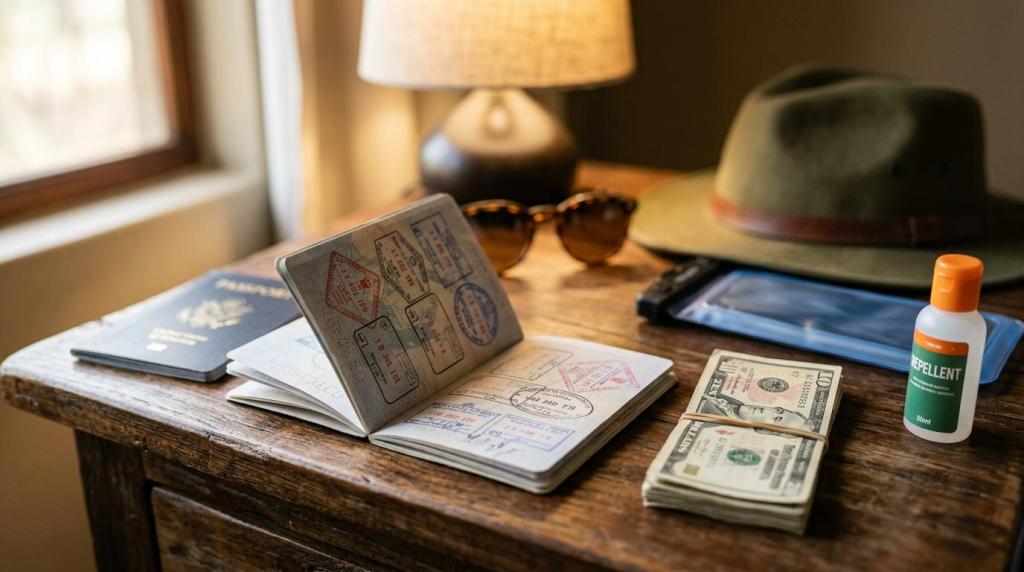
Passport with enough validity
-
Printed or digital travel documents
-
Small USD bills for fees and tips
-
Patience at the border
-
Zimbabwe visa: Required for many nationalities, so check before travel
-
Botswana entry: Visa-free for many passport holders, but rules vary by nationality
-
KAZA Univisa: Often a useful option for Zimbabwe and Zambia combinations
-
Transfer style: Shared shuttle, private road transfer, or as part of a packaged tour
Where to stay on a Victoria Falls and Chobe package
Accommodation choices are wide in both destinations, which is one reason this add-on works for so many travelers.
In Victoria Falls, staying close to town is convenient for restaurants, activity pickups, and easy access to the falls. Budget travelers can find guesthouses and camps, while mid-range hotels and upscale lodges give more comfort and service. The Zimbabwe side remains a favorite for many visitors because of the classic falls viewpoints and tourism infrastructure.
In Kasane and the Chobe area, riverfront lodges are especially popular. Even mid-range properties often have good access to game drives and boat cruises. If the budget allows, a lodge with direct river views adds a lot to the stay, since wildlife can often be seen from the property itself.
For a short package, location matters as much as style. A beautiful lodge that is far from your activity base can eat into precious time. On a 3-day trip, convenience usually wins.
Budget for a Victoria Falls and Chobe package
Costs vary a lot based on accommodation level, private versus shared touring, and how many extras you add. Helicopter flights, premium river cruises, and private guides will move the price upward quickly. Still, the route can offer very good value because travel distances are short.
A mid-range traveler can often expect a rough daily range of about $150 to $250 per person, sometimes more in peak season. That might include accommodation, some meals, shared activities, and transfers. Budget travelers can spend less by choosing simpler lodging and scheduled services, while luxury packages can rise well above $300 per day.
If you are comparing options, look closely at what is actually included. Some rates cover transfers, park fees, and activities. Others list only the room and leave the rest to be added later. That difference matters a lot on a short cross-border package.
Packing and health tips for Victoria Falls and Chobe
Packing is simple, but smart choices help. Mornings on safari can be cool, afternoons can be hot, and the spray near the falls can drench clothing and camera gear depending on season.
A light layered wardrobe works best year-round. Neutral safari colors are useful in Chobe, while a quick-dry shirt or light waterproof layer is handy at the falls.
Bring the basics that make the trip easier:
- Hat, sunglasses, sunscreen
- Closed walking shoes
- Light jacket for early drives
- Insect repellent
- Camera or binoculars
- Waterproof phone or camera pouch
Before travel, check medical advice for your home country. Malaria precautions are commonly recommended for this region, and routine vaccines should be current. If you are arriving from a yellow fever risk country, carry the correct certificate if required for your route.
Booking advice for a smoother Victoria Falls and Chobe package
Peak travel months, especially June through September, book up well in advance. That is true for flights, riverfront lodges, and sought-after activity times. If you are traveling during that period, booking several months ahead is wise.
This is also a route where a well-built package can be more practical than piecing everything together yourself. When airport transfers, border transfers, accommodations, and key activities are booked as one plan, the trip usually runs more smoothly. That is especially useful for families, honeymooners, and anyone connecting this add-on to a longer safari.
A good package should make these points clear before you pay:
- Included items: Accommodation, transfers, activities, meals, park fees
- Border support: Whether drivers assist with crossing logistics
- Timing: Flight arrival and departure windows that fit the itinerary
- Activity limits: Age or seasonal restrictions for rafting, helicopter flights, or other add-ons
For many travelers, the ideal version is simple: arrive at Victoria Falls, enjoy the scenery and river, cross into Botswana with minimal fuss, and finish with Chobe’s wildlife on both land and water. When those pieces are timed well, even 3 or 4 days can feel rich, varied, and very well spent.