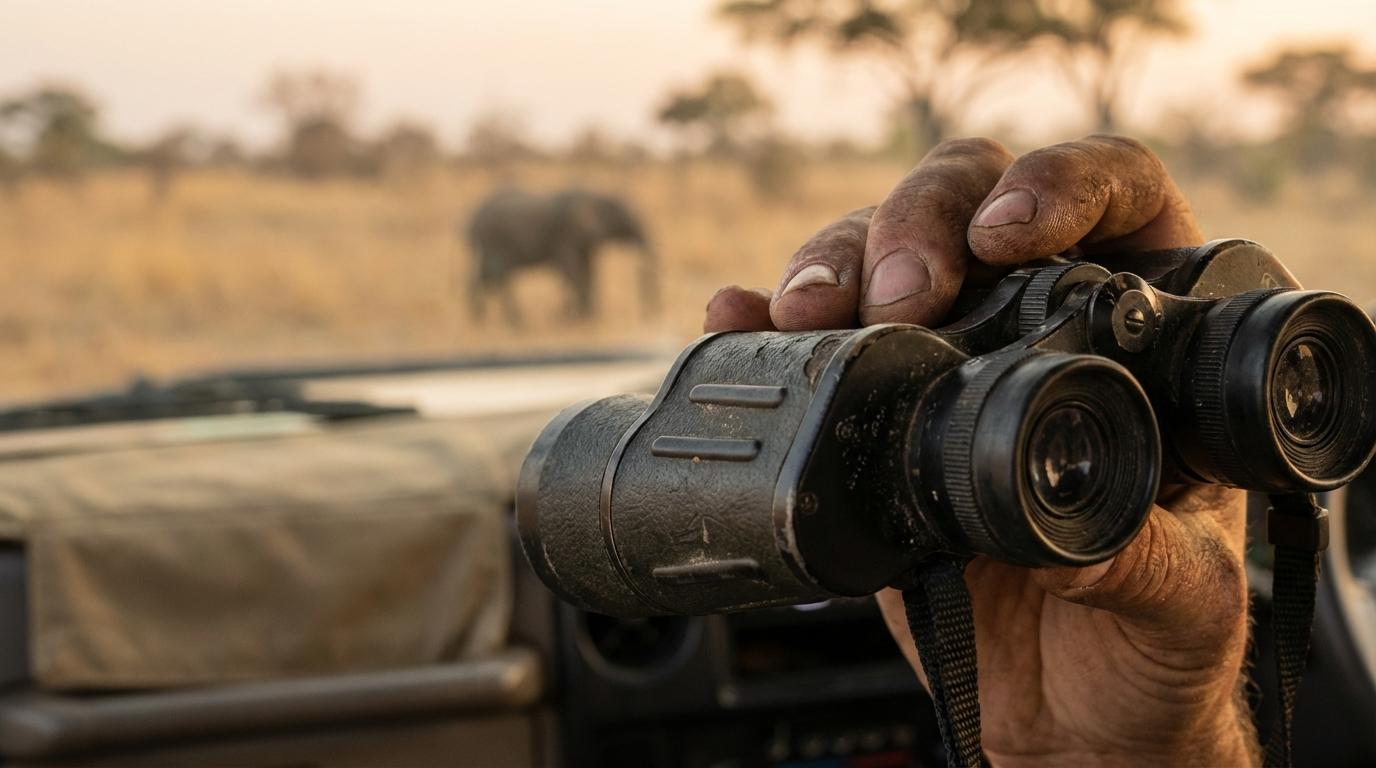
A safari can be one of the most moving trips a person ever takes. Watching elephants move through the bush at sunrise or hearing lions after dark can change how you see wildlife, wild places, and your own place in the picture.
That is exactly why ethics matter.
A safari is not only a vacation product. It is also tied to conservation funding, local livelihoods, land use, and the daily welfare of wild animals. When travelers choose carefully, their trip can help protect habitats, support communities living near parks and conservancies, and reward operators who treat wildlife with respect.
What ethical safari travel really means
Ethical safari travel rests on three connected ideas: conservation, community benefit, and animal welfare. If one part is missing, the experience may still be exciting, but it is harder to call it responsible.
A well-run safari helps keep wild land wild. Park fees, concession fees, guide jobs, lodge purchases, and conservation partnerships can all feed back into protection efforts. In some destinations, tourism income supports ranger teams, anti-poaching work, habitat management, and research.
It should also benefit the people who live near these landscapes. That can mean employment, local sourcing, community-owned conservancies, school support, healthcare access, or cultural experiences handled with care and consent.
Then there is the part guests see most clearly in real time: how animals are treated during the safari itself. Good ethics are visible in the spacing between vehicles and wildlife, the behavior of the guide, the rules around photography, and whether the animals are allowed to act naturally without pressure.
| Pillar | What it looks like in practice | Why it matters |
|---|---|---|
| Conservation | Park fees, NGO partnerships, anti-poaching support, habitat protection, research access | Wildlife and ecosystems need long-term funding |
| Community | Local jobs, local suppliers, conservancy revenue sharing, education and health projects | Tourism works better when nearby communities benefit directly |
| Animal welfare | Safe viewing distances, no feeding, no chasing, trained guides, small vehicle numbers | Wild animals stay wild, and stress is reduced |
Conservation is more than a nice extra
Many travelers assume conservation happens somewhere in the background and has little to do with their booking. In reality, safari tourism can be one of the strongest financial engines behind wildlife protection when it is handled well.
A good example comes from operators that channel guest contributions into formal conservation work. Some support rhino relocation and protection. Others fund anti-poaching patrols, conflict mitigation between people and wildlife, scholarships, or restoration on community land next to major parks. In East Africa, guest donations linked to safari stays have helped fund work across huge areas of habitat, not just inside the fences of a lodge.
Tourism also helps by making wildlife economically valuable alive and in place. Uganda’s gorilla tourism is often cited as a strong case. Income tied to gorilla visits has supported conservation and local jobs, and mountain gorilla numbers have grown over time. Similar patterns can be seen in conservancies and protected areas in Kenya, Tanzania, Botswana, Namibia, and South Africa where tourism revenue helps pay for protection on the ground.
Even guests can become part of the conservation picture. In Botswana, researchers have used tourist photographs to help monitor predators. That may sound small, yet it shows something important: ethical safaris often teach people to see themselves not just as spectators, but as temporary partners in keeping these ecosystems healthy.
Communities should share the value
Wildlife tourism is strongest when local communities are not standing outside the system, but inside it.
Across East and Southern Africa, safari travel creates work for guides, trackers, camp staff, drivers, cooks, maintenance teams, artisans, farmers, and transport providers. In Tanzania alone, the safari sector has supported hundreds of thousands of jobs. In many areas, one tourism income supports an extended household, not just one employee.
The best models go a step further. Community conservancies, joint venture lodges, land lease agreements, and local procurement help turn tourism from a short-term visitor economy into a more durable source of income. In Namibia, for example, conservancy partnerships have shown how tourism revenue can fund school fees, improve planning capacity, and give communities a direct stake in wildlife protection.
Culture matters here too. Ethical safari travel does not treat local life as a stage set. It respects that village visits, craft markets, storytelling sessions, and cultural tours should be invited, fair, and useful to the people hosting them. When done well, tourism can help keep crafts, languages, and traditions valued across generations.
There are a few signs that community benefit is real, not just marketing language:
- Local guides and staff
- Community conservancy fees
- Local produce and supplies
- Fairly run craft visits
- School or clinic partnerships
Animal welfare is where good intentions become visible
Animal welfare on safari is not abstract. You can usually tell within a day whether an operator takes it seriously.
A responsible guide approaches sightings slowly, keeps noise low, and reads animal behavior carefully. If elephants show stress, if a predator is hunting, or if vehicles are crowding an area, the right call is often to wait farther back or leave. That can mean a less dramatic photo. It also means the wildlife encounter stays honest.
Distance matters. In many parks and reserves, guides are trained to maintain a buffer around animals, often around 20 to 30 meters or more depending on the species and situation. Engines are commonly turned off once a vehicle is safely positioned. Guests stay inside the vehicle unless they are in a designated area or on a guided walk where it is permitted and safe.
Feeding, calling, clapping, or trying to attract an animal’s attention has no place on an ethical safari. Neither does flash photography at close range, surrounding an animal with too many vehicles, or pushing in toward cubs, nests, dens, or river crossings. Wild behavior should never be manipulated for entertainment.
Guide training is a big part of this. Professional associations and accredited training bodies in Africa teach wildlife behavior, ecology, safety, and field ethics. That training helps guides know when to hold position, when to move, and when to say no to guest pressure.
If you want a simple way to spot a poor standard, watch for these red flags:
- Vehicles crowding a sighting: Animals have no clear space to move away
- Guides chasing action: Speeding, cutting off wildlife, or blocking paths
- Photo pressure: Guests urged to stand, shout, or get closer
- Hands-on wildlife activities: Touching, feeding, walking with, or posing beside captive animals
- Rules treated casually: Off-road driving where it is not allowed, or guests leaving vehicles in unsafe areas
Questions worth asking before you book
You do not need to be a wildlife scientist to choose better. A few direct questions can tell you a lot about how an operator works.
Ask how guides are trained, whether vehicles follow park rules, and whether the itinerary uses reputable lodges or conservancies. Ask if any part of the trip supports conservation or community projects, and whether there are animal interactions outside normal game viewing. If the answer sounds vague or defensive, that is useful information.
It also helps to look for external signs of accountability. SATSA membership, licensed operations, strong safety standards, and recognized sustainability certifications all add confidence. None of these alone proves perfection, but they do show that the business is working within professional frameworks.
Before booking, these are smart questions to send:
- Who guides the safari: Are guides licensed and professionally trained?
- How are sightings managed: What rules do vehicles follow around wildlife?
- What animal experiences are included: Are there any captive, hands-on, or feeding activities?
- Where does the money go: Are park fees, conservancy fees, or guest contributions supporting conservation or communities?
- Which properties are used: Do the lodges or camps follow clear environmental and wildlife standards?
What this means when planning with a safari specialist
For many travelers, ethical choices are easier when working with a safari company that knows the ground well and can filter options properly. That matters even more on tailor-made trips across several regions, where the quality of one supplier can affect the tone of the whole itinerary.
A local, African-owned safari specialist can be especially valuable here because on-the-ground knowledge helps separate truly responsible experiences from those that only sound good online. Africa Moja Tours & Safaris is a SATSA-accredited operator with licensed operations, local expertise, and a strong service reputation, which are important trust markers for travelers who want reliable planning and professional standards.
The clearest public indicators of responsible practice in this case are the use of reputable guides and safari partners, compliance with park rules, and a visible commitment to animal welfare standards. The company’s travel materials also point to respectful wildlife viewing in marine settings, and its TripAdvisor listing notes that experiences meet animal welfare guidelines. While not every operator publishes a long ethics policy, those practical choices still matter.
For travelers, this means the planning conversation is important. Ask for lodges with strong sustainability records. Ask to avoid any captive wildlife interactions. Ask how game drive conduct is handled. A good safari planner should welcome those questions and build the trip around them.
Small choices shape the safari
Ethical safari travel is rarely one dramatic decision. It is usually a series of smaller ones, the operator you book with, the lodge standards you prefer, the questions you ask, the way you behave at sightings, and the kinds of wildlife encounters you refuse.
Those choices can help fund protection, support local households, and keep the experience true to what a safari should be: wild animals, living wild lives, with people watching respectfully from the edge of the story.