
- Home
- About Us
- South Africa Tours
- Africa Tours
- Transfer Shuttles
- Contact Us
Introduction
Get a taste of real black South Africa culture with Lesedi Cultural Village Half Day Tour from Johannesburg . Get to know what it means to be black as we explore the different cultural heritage that we have as Africans and why we preserve it to this day.
Lesedi Cultural Village Tour showcases the culture of South Africa Tribes and their deep-rooted traditions. We will do a 2-hour village tour where we will get to learn about the various tribal kings. You will also get to learn about the people of Southern Africa and their Cultures.
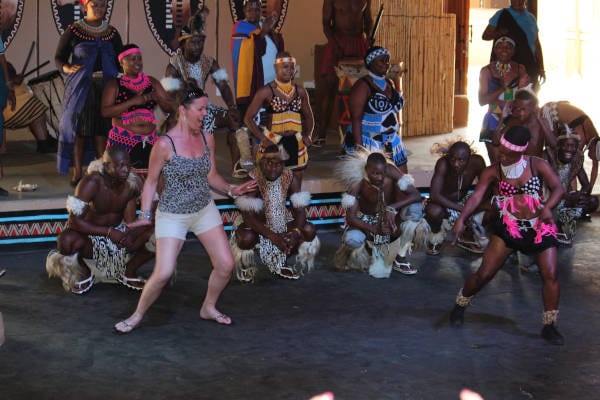
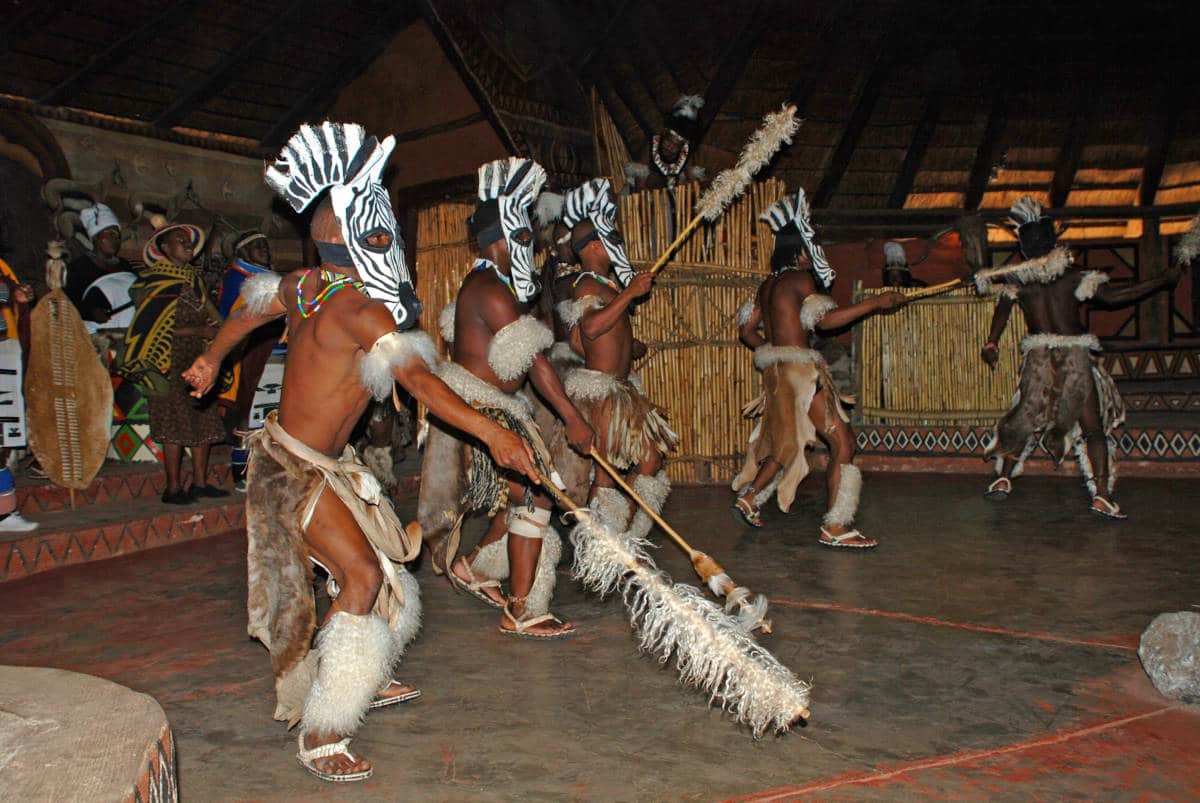
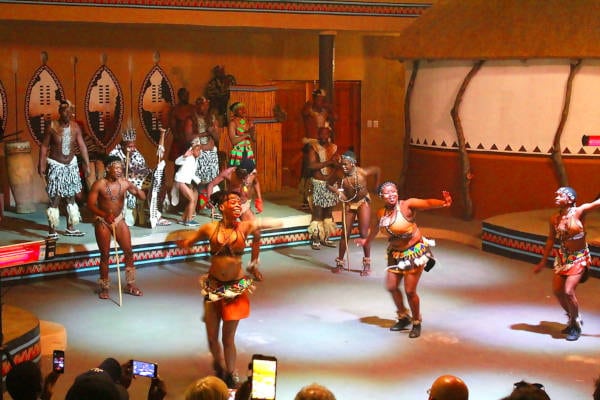
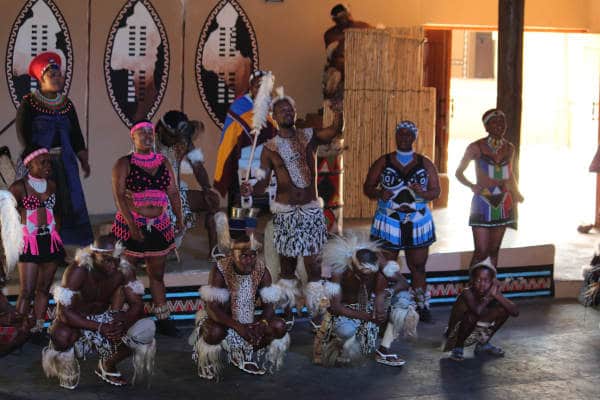
Finally, we will gather in our place to get a taste of real Africa traditional dances with various tribes giving us a taste of their own dances coupled with their traditional regalia which will leave us asking for more.
The Lesedi Cultural Village Tour is a half-day tour not to miss. Book your Spot today for a taste of the best South Africa has to offer in its Cultural setting at the heart of Johannesburg.
Tour Highlights
- Visit five Traditional Villages
- Live Various Traditional Dances
- Traditional Homesteads
- Nyama Choma Restaurant
What to expect at Lesedi Cultural Village
Lesedi Cultural Village is a tourist village which celebrates the cultural traditions of South Africa. The village has homesteads for different cultures. Lesedi Cultural Village Tour represents five South African cultures: Zulu, Pedi, Xhosa, Sotho and Ndebele.
When u arrive at the Zulu Homestead you need to stand at the gate and greet by saying “Sanbonani sikhulekile ekhaya” (Hello we are greeting everyone at home) to warrior whom u will find standing near a tree.
He will then pass the message to the king that there is someone or people at the gate. The king will arrive at the gate and welcome you inside his home.
Zulu people make grass Mats that they sit on during the day, at night they use the same grass Mats to sleep on. There is an important house in the village, which is the grandmother’s house, it is important because they use the house to communicate with their ancestors, hold meetings and ceremonies. They also have a cattle kraal called “isibaya”
You identify an unmarried lady with the way they dress. Long strips of twisted beads called “izincu” around their ankles, elbows, and waists. Young girls also wear short beaded skirts, colorful necklaces, and beaded headbands.
Married women wear “Isicholo” as a status symbol of being married. Married women also wear necklaces called “ureyisi” and cow-hide skirts called “isidwaba” which is a leather skirt.
Men that wants to marry a woman from the Zulu tribe is expected to pay 11 cows and 1 cow will be slaughtered to make isidwaba for the lady that is getting married. When marrying a woman from “ebunkosini” (Zulu Royalty) the men is expected to pay 16 cows.
Xhosa”s greet by saying Molweni. The tribe is the second largest group in South Africa. The fireplace outside that is divided into 4 for wind purpose.
When u enter in one of their huts, the ladies sit on the right-hand side and males sit on the left hand side because it is believed that males should protect women by sitting near the door. Inside the hut, there is a fireplace. The homestead has a cattle Kraal called is isibaya
Once married, makoti wears an “idaki” (a dress given to her by her husband’s relatives). She wears a blanket or shawl around the shoulders, her iduku, and an uxakatha (towel or thick scarf) around her waist.
The shawl represents the qualities of protection and nurturing expected of her. An inkanzana (unmarried woman with a child) must wear a longer skirt or dress below the knees at least, while an intombi (young unmarried woman) is entitled to wear shorter skirts.
A bride wears an ankle-length skirt. The covering of her legs is dual purpose.
The Pedi culture greets by saying Tobela/ Le kae. The king of Pedi was Matsebe Sekhukhune (1814-1882). The Pedi tribe practices the ancestral customs.
They slaughter goats when they need to communicate with their ancestors. Kgoro is a meeting place for elders to gather around and discuss matters of the village. Married women polish the floor using cow dung 3 times a day.
You identify an unmarried lady with the way they dress. Long strips of twisted beads called “izincu” around their ankles, elbows, and waists. Young girls also wear short beaded skirts, colorful necklaces, and beaded headbands.
Married women wear “Isicholo” as a status symbol of being married. Married women also wear necklaces called “ureyisi” and cow-hide skirts called “isidwaba” which is a leather skirt.
Men that wants to marry a woman from the Zulu tribe is expected to pay 11 cows and 1 cow will be slaughtered to make isidwaba for the lady that is getting married. When marrying a woman from “ebunkosini” (Zulu Royalty) the men is expected to pay 16 cows.
The Ndebele tribe greets by saying lotjhani. This tribe is known for decorating their homes with great designs and finger painting. The Ndebele communities practice initiation ceremonies such as male initiation and girl’s initiation procedure in which Isikhethu is enunciated through decorative beads and clothing. This takes place during puberty.
When a married Ndebele woman wears brass rings around her arms, legs, and neck this shows her faithfulness to her husband and wearing of Isigolwani which is a neck hoop made of grass-covered in beads.
A newly married Ndebele woman wears an ijogolo and Nguba which is a marriage blanket worn throughout her lifetime.
The Basotho are still known as a nation of peace, a legacy that their founder Moshoeshoe has left them, and one that will be carried down for generations to come. When arriving at the Basotho homestead you will be welcomed by the son of the chief whom u will greet by saying Kgotso Morena.
In the middle of the village, there is a fireplace that is divided into 4 sections for wind purposes. Sotho people conducted an Initiation school, which was a rite of passage. The school played the role of molding boys and girls to their adult duties and their roles in the community.
Boys were taught endurance and courage while girls were taught how to take care of the young ones.
Sefaha sa letsopa they are neckpiece made out of clay bead worn by girls. Thethana ea banana they are dresses made out of clay beads worn by girls. Mose oa lekoko skirts made of woven fiber or cow skin.
Tseha an undergarment made out of sheepskin cut in a triangular shape and tied around the body in such a way as to cover the private parts worn by young boys, but the length was increased by age. Mokorotlo a headgear that was conically shaped made out of a grass named moseha.
Other forms of headgear include moliha-nyeoe and ts’ets’e. Hats that were made from animal skin include kuoane, kharetsana and sekola, with sekola traditionally being worn by warriors.
Basotho blanket the Basotho people had a special blanket that was made by men for the chiefs. This blanket was known as lehlosi, which was made up of skins of wild cats or a leopard. There was also some other blanket that was worn by men. They were known as setipe and mokhahla.
Lesedi Cultural Village Tour
You’ve always wanted to go on safari in Africa and experience the culture, but don’t have weeks for a big trip. Good news – you can get a fulfilling taste of authentic Africa in just half a day at Lesedi Cultural Village, less than an hour from Johannesburg. Lesedi lets you meet people from five different African tribes, see their homes and farmlands, watch them make crafts and play music, and enjoy a lively dance performance. You’ll learn about their beliefs and traditions and get to ask lots of questions. It’s an intimate look at the diverse cultures that make up the Rainbow Nation. Don’t miss this chance to make connections with welcoming locals and gain insight into their way of life. This easy tour packs a lot into a short time so you come away with an appreciation for the soul of Africa.
Exploring the Rich Culture of Lesedi Village Tour
Dance and Song
As you enter the village, you’ll be greeted by vibrant tribal dancing and singing. The energetic performers are dressed in colourful traditional attire, moving to the beat of African drums. You’ll get to see different styles from Zulu, Xhosa, Pedi, and Basotho tribes. The power and passion on display give you a glimpse into the soul of South Africa.
Crafter’s Market
After the show, head to the open-air market to shop for handmade goods from local craftspeople. You’ll find everything from brightly patterned textiles and beadwork to wood carvings and pottery. Strike up a conversation with the vendors to learn the stories behind their wares. Many of the items are made using skills and techniques passed down through generations.
Traditional Homesteads
Walking through the village, you’ll come across homesteads typical of different tribes. The Zulu homestead, or umuzi, features several thatched-roof huts and an enclosure for livestock. The Xhosa have distinctive rondavels with patterned walls. Seeing how people lived in the not-so-distant past gives your insight into the diversity of South African culture.
Cuisine
No tour is complete without sampling some local cuisine. At Lesedi, you’ll get to try traditional foods like boerewors sausage, bunny chow, and potjies stew. And for dessert, don’t miss the koeksisters, a sweet, braided pastry. The vibrant Flavours are as memorable as the music and dancing. An experience at Lesedi Cultural Village will stay with you long after you’ve left.
A Half-Day Tour of Lesedi Cultural Village: What to Expect
The Welcome
When you first arrive, you’ll be greeted by singing and dancing. The villagers will welcome you into their homesteads to share their traditions and way of life. Get ready for an authentic tribal experience!
Exploring the Homesteads
You’ll get to explore five traditional homesteads – Zulu, Xhosa, Pedi, Basotho and Ndebele. In each, you’ll discover unique crafts, cuisine, and clothing. The villagers living there demonstrate what daily life is like, from grinding maize to building huts.
Thrilling Performances
Colourful performances showcase traditional song and dance. The Ndebele are known for their vibrant clothing and house painting. The Pedi put on an exciting Sotho dance with jumps and leg kicks. And the Zulu perform the famous warrior dance. The energy is contagious!
A Traditional Meal
For lunch, you’ll enjoy a buffet of local cuisine like pap (maize porridge), samp (dried corn kernels), chicken, and boerewors (sausages). It’s the perfect opportunity to sample authentic food and chat with the villagers.
A half-day at Lesedi Cultural Village offers an inspiring glimpse into South Africa’s diverse heritage. By welcoming visitors into their homesteads, the villagers share their traditions in the most genuine way. It’s an unforgettable journey into the heart of African culture that you won’t experience anywhere else.
Conclusion
So there you have it, an afternoon exploring the Lesedi Cultural Village. From learning spear throwing with the Zulu warriors to seeing how traditional homes are built, it was a jam-packed several hours. Trying authentic African beer and food really made you feel immersed in the many cultures represented here. Even though it was a short tour, you got to see skilled performances of tribal dancing and singing. It’s experiences like these that remind us how important it is to keep cultural traditions alive. Lesedi brings the history of South Africa’s ethnic groups to life. You’ll come away with memories to last a lifetime and a deeper appreciation for the country’s rich heritage. If you only have a half-day to spend, Lesedi is a can’t-miss experience.
Frequently Asked Questions
The Lesedi Cultural Village tour typically lasts around 3 to 3.5 hours. This includes hotel pick-up and drop-off, the drive to the cultural village, plus ample time exploring the village and taking in two traditional dance performances. The total experience from start to finish is usually 4 to 5 hours.
During your visit to Lesedi, you’ll get to explore authentic replica villages of the Zulu, Xhosa, Pedi, and Basotho tribes. You’ll see how tribal homes are constructed, learn about tribal customs, and witness demonstrations of traditional crafts like pottery making, basket weaving, and beadwork. The highlight is watching exhilarating tribal dances from the Zulu and Pedi tribes complete with colourful traditional attire.
The Lesedi Cultural Village tour price includes round-trip transport from Johannesburg hotels, entrance fees to the cultural village, guided walking tours of the tribal villages, two tribal dance performances, and a traditional buffet lunch with local cuisine. Additional extras like souvenirs from the craft market are at your own expense. Beverages are also not included but can be purchased at the village.
Dress in comfortable walking shoes, lightweight clothing, sunglasses, and a hat. Don’t forget your camera, extra batteries, and memory cards to capture photos of the vibrant tribal dances and cultural village. Binoculars may also come in handy for a closer view of the performances. Bring any essential medicines you may need.
Yes, the Lesedi Cultural Village tour is great for people of all ages, including children and families. Kids will love the energetic tribal dances, learning about different cultures, and walking through the replica villages. The tour guides do a wonderful job of keeping everyone engaged.
Conclusion
So there you have it, an afternoon exploring the Lesedi Cultural Village. From learning spear throwing with the Zulu warriors to seeing how traditional homes are built, it was a jam-packed several hours. Trying authentic African beer and food really made you feel immersed in the many cultures represented here. Even though it was a short tour, you got to see skilled performances of tribal dancing and singing. It’s experiences like these that remind us how important it is to keep cultural traditions alive. Lesedi brings the history of South Africa’s ethnic groups to life. You’ll come away with memories to last a lifetime and a deeper appreciation for the country’s rich heritage. If you only have a half-day to spend, Lesedi is a can’t-miss experience.
-
DepartureYour establishment in Sandton, Johannesburg or Pretoria
-
Departure Time10:00AM
-
Return Time15:00PM
-
IncludedEntrance feesBottled WaterTour Guide
-
Not IncludedAlcoholic drinks (available to purchase)Food and drinks, unless specifiedGratuities (optional) Gratuities (recommended)
-
Maps
Similar Tours
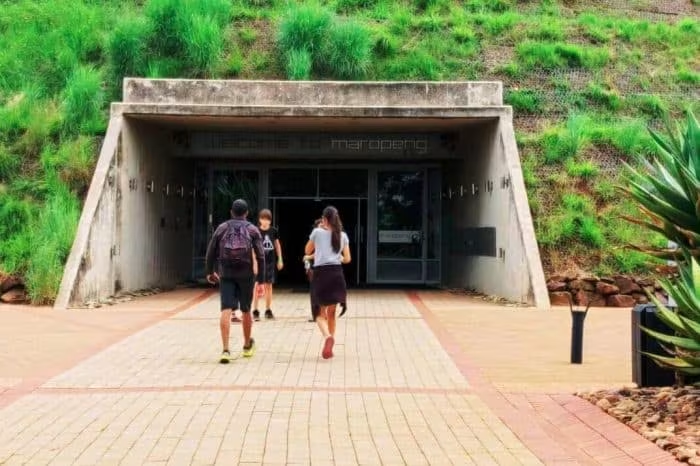
Cradle of HumanKind Tour & Lesedi Cultural Village
Discover human origins at the Cradle of Humankind, then immerse yourself in South Africa’s diverse traditions at Lesedi Cultural Village on this enriching tour.
Contact Info
Shuttle Services
Tours and Safaris
-
-