
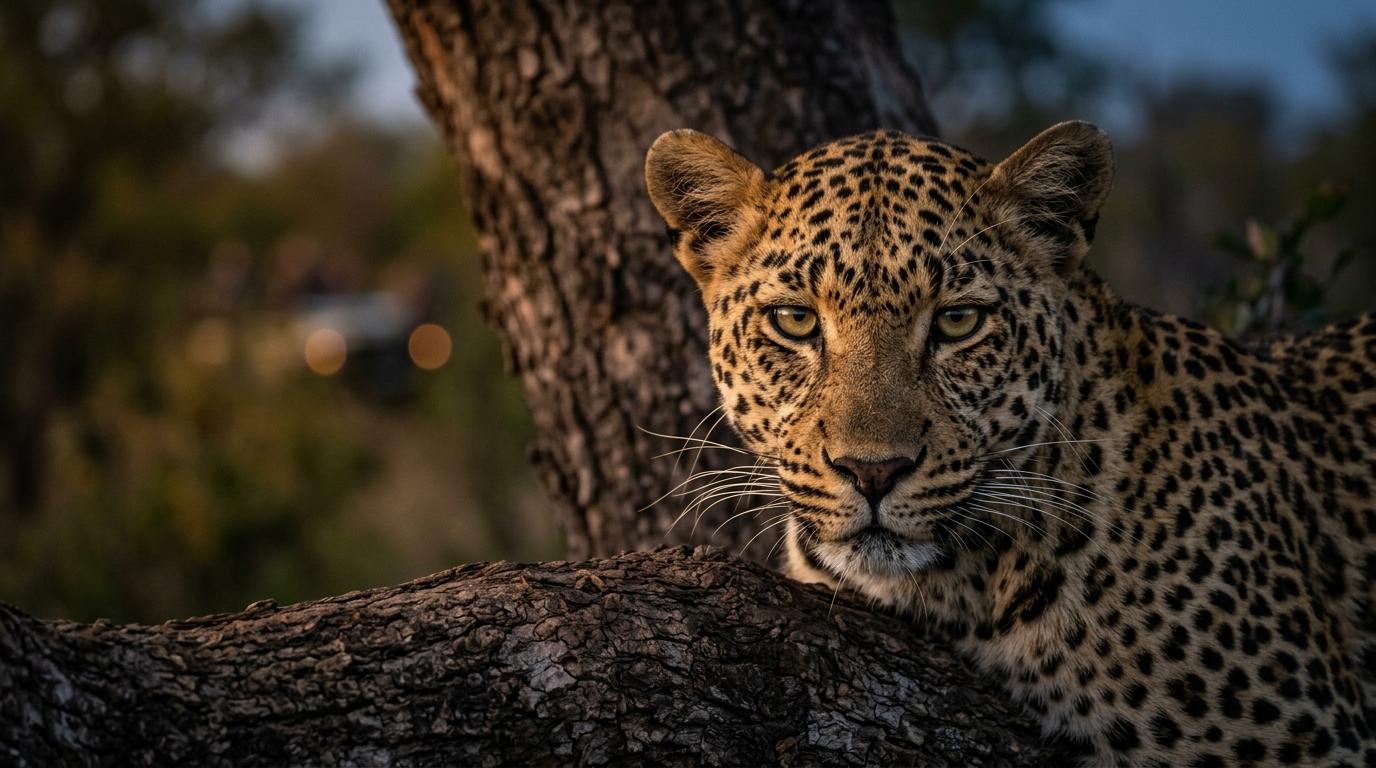
A safari in Greater Kruger is often described as the best of both worlds, and that is not just marketing language. You get access to one of Africa’s most famous wildlife ecosystems, but the experience can feel far more private, flexible, and personal than a standard public-park visit.
For many travelers, the biggest question is simple: should you stay inside Kruger National Park itself, or in one of the adjoining private reserves? The answer depends on your budget, travel style, and what kind of safari days you want to have. If close predator sightings, fewer vehicles, and high-touch lodge service matter most, Greater Kruger’s private concessions are often the standout choice.
What “Greater Kruger” actually means
Greater Kruger is not a single reserve with one gate and one style of safari. It is a connected wilderness region that includes Kruger National Park and a network of adjoining private reserves with unfenced borders in key areas. Wildlife moves freely across these boundaries, which means lions, elephants, leopards, wild dogs, and buffalo do not recognize the map lines that travelers see when planning a trip.
That open ecosystem is a major part of the appeal. You are looking at the same broader wildlife population, but the guest experience can be very different depending on where you stay. In the public sections of Kruger, self-drive visitors share the roads with guided vehicles. In the private reserves, access is usually limited to lodge guests, with strict vehicle limits and guided activities.
Why private concessions feel so different
The private concessions in Greater Kruger are known for two things above all: exclusivity and game viewing quality. Because guest numbers are controlled, there is less traffic at sightings and a calmer pace on drives. You are far less likely to find a queue of vehicles around a leopard in a marula tree.
These areas also allow activities that are not part of the normal public-road Kruger experience. Off-road driving, guided bush walks, and night drives change the rhythm of a safari in a big way. A guide can follow fresh lion tracks into the bush, stop after dark for a civet sighting, or walk you through the smaller details of the landscape, from dung beetles to alarm calls.
That combination tends to create richer safari days, not just busier ones.
After a morning drive and a relaxed lunch, many guests head back out in late afternoon and stay in the field after sunset. That opens the door to a completely different cast of animals and behaviors.
- Off-road access: Guides in private reserves can often leave the main tracks when reserve rules allow, which helps with close and respectful predator viewing.
- Night drives: Spotlights can reveal porcupines, genets, civets, bush babies, and hunting cats.
- Bush walks: A chance to focus on tracks, birds, trees, insects, and the feeling of being in the landscape on foot.
- Fewer vehicles at sightings
- Smaller guest numbers per game drive vehicle
Key Greater Kruger areas at a glance
The western private reserves are the best-known part of Greater Kruger for classic luxury safaris, while the far north offers a very different sense of remoteness. Each area has its own character, habitat, and lodge style.
| Reserve | Approx. size | Best known for | General feel | Access style |
|---|---|---|---|---|
| Sabi Sand | 65,000 ha | Luxury lodges, strong leopard sightings, Big Five consistency | Polished, exclusive, wildlife-rich | Lodge guests only |
| Timbavati | 55,600 ha | White lions, classic Lowveld bush, strong mammal and birdlife | Wild, spacious, well-regarded | Prior authorized lodge access |
| Manyeleti | 23,000 ha | Quiet bush experience, fewer lodges, good Big Five viewing | Low-key, intimate, less busy | By arrangement through lodges |
| Klaserie | 60,000 ha | Large wilderness feel, buffalo herds, conservation focus | Authentic and less commercial | Safari bookings only |
| Balule | 45,000 ha | Elephant herds, walking safari appeal, good value lodges | Relaxed, varied terrain, accessible price points | Lodge-based access |
| Thornybush | 15,000 ha | Luxury camps, scenic landscapes, cheetah and wild dog potential | Refined, stylish, photographic | Lodge transfer only |
| Makuleke/Pafuri | 24,000 ha | Floodplains, baobabs, birding, remote northern scenery | Remote, unusual, community-linked conservation | Via Pafuri Gate or charter |
A closer look at the private reserves
Sabi Sand is often the first name travelers hear, and for good reason. It has a long reputation for excellent leopard sightings, highly experienced guides and trackers, and some of the most refined safari lodges in southern Africa. If you want classic Big Five viewing paired with top-end comfort, this is one of the strongest choices in the region.
Timbavati offers a slightly different mood. It is large, wild, and deeply respected for conservation work. Many travelers know it as the home of the white lion, though that should be seen as a rare natural occurrence rather than something guaranteed. The habitat ranges from open plains to acacia and mopane woodland, which supports a wide spread of mammals and birds.
Manyeleti appeals to travelers who want a more understated bush stay. It sits between Sabi Sand and Timbavati, yet often feels quieter than both. With fewer lodges and no public self-drive access, it can deliver a very pure safari atmosphere. Klaserie has a similar appeal for people who value wilderness over polish. It is expansive, less crowded, and serious about conservation, especially rhino protection.
Balule and Thornybush sit slightly differently in the market. Balule often works well for travelers who want the Greater Kruger setting without jumping straight into the highest lodge rates. Thornybush is smaller in size but well known for quality accommodation, strong guiding, and attractive landscapes. Then there is Makuleke in the far north, which is really its own special chapter. This area is prized for scenery, floodplains, river systems, giant baobabs, and a remote atmosphere that feels far removed from the busier southern safari circuit.
What game viewing is really like
A private concession safari is not only about seeing more animals. It is about seeing them in a better way.
If your guide hears that wild dogs were spotted on the move at dawn, there is a realistic chance of following up quickly with the help of tracker knowledge and radio communication between vehicles. If a leopard slips off the road into thick cover, off-road access may allow a careful repositioning. If you want to spend twenty minutes watching elephant family dynamics instead of rushing to the next sighting, the smaller-guest format makes that easier.
The private reserve model also supports a more tailored drive. A family with younger children may prefer a slower pace and shorter stops. A photographer might want golden light, side angles, and more patience at sightings. A couple on honeymoons might care just as much about the sundowner stop and the atmosphere around the fire as they do about ticking species off a list.
That flexibility is a big part of the value.
After a few drives, many guests notice that the highlights are not always the obvious ones.
- Lion cubs hidden in grass
- A leopard returning to a kill
- Elephant bulls at a river crossing
- Hyenas calling after dark
- Fresh tracks on a walking safari
- The silence before sunrise
Lodge styles, from simple comfort to top-tier luxury
Greater Kruger is not only for luxury travelers, though it certainly has some of Africa’s most famous high-end lodges. There is a wide range of accommodation styles, and matching the right lodge to the right traveler matters just as much as choosing the right reserve.
For budget-conscious trips, Africa Moja Tours & Safaris offers options that keep the focus on wildlife and value. A good example is Tembo Guest Lodge in Hazyview, used on lower-cost Kruger packages. It is outside the park rather than inside a private concession, but it gives travelers a clean, comfortable base with practical access to guided game drives. This style suits families, solo travelers, and adventure-focused guests who want strong safari content without premium lodge pricing.
Mid-range stays raise the comfort level while staying sensible on cost. Skukuza Safari Lodge, inside Kruger National Park, is a solid example. Air-conditioned rooms, en-suite bathrooms, a pool, and restaurant facilities make the experience far more relaxed without moving into ultra-luxury rates. For travelers who want longer time in the park and a more classic lodge setup, this category often hits the sweet spot.
Luxury Greater Kruger safaris shift the experience again. Africa Moja Tours & Safaris also arranges stays at well-known private reserve properties like Sabi Sabi Earth Lodge, Sabi Sabi Bush Lodge, and Tintswalo Safari Lodge in Manyeleti. Here, the room is part of the safari story. Private plunge pools, elegant suites, spa treatments, gourmet dining, beautifully designed decks, and carefully timed game drives create a full-service wilderness stay that works especially well for honeymoons, milestone trips, photographers, and travelers who want privacy paired with top guiding.
Access, permits, and how planning usually works
One reason Greater Kruger can feel intimidating at first is that access is not always straightforward. Many of the private reserves do not allow casual drop-ins or self-drive entry. You usually need a confirmed booking with a lodge or safari operator, and guest details are submitted in advance.
That is where working with an experienced regional operator makes a real difference. Africa Moja Tours & Safaris, a SATSA-accredited tour operator, handles the moving parts that first-time safari guests often do not want to manage on their own. That can include lodge reservations, conservation fees, road transfers, charter arrangements, airport pickups, and the timing needed to reach reserve gates correctly.
In places like Timbavati, where authorized entry and levies apply, or in private reserves where guest access is tied directly to confirmed accommodation, those logistics matter. Guests are not only paying for a bed and game drives. They are also paying for access to a restricted conservation area with carefully managed tourism numbers.
How to choose the right Greater Kruger stay
The best reserve for one traveler may be the wrong one for another. A couple looking for romance, spa time, and close leopard sightings may be happiest in Sabi Sand or Thornybush. A repeat safari guest who wants quieter bush time might prefer Klaserie or Manyeleti. A birder or seasoned Africa traveler may be drawn to Makuleke for its scenery and northern character.
Before booking, it helps to think less about star rating and more about what kind of days you want to have.
- For first-time safari guests: Sabi Sand, Timbavati, or Thornybush often offer a very rewarding mix of comfort and reliable wildlife viewing.
- For quieter bush atmosphere: Manyeleti and Klaserie can feel less commercial and more secluded.
- For value-minded travelers: Balule or a well-run Kruger lodge base can make excellent sense.
- For special occasions: Private reserve luxury lodges bring together privacy, service, and memorable wildlife moments.
- For remote scenery and birdlife: Makuleke stands apart from the southern reserves.
A well-planned Greater Kruger safari is rarely about picking the “best” reserve in absolute terms. It is about choosing the setting, lodge style, and level of exclusivity that fit your trip. Once that match is right, the rest tends to fall into place: early mornings, skilled guides, open vehicles, glowing sunsets, and the very real chance that your best wildlife moment will happen when nobody expected it.

